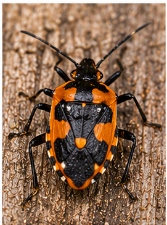
Predatory Stink Bugs in the genus Apateticus are among the most beneficial true bugs found in North American landscapes. Unlike plant-feeding stink bugs that damage fruits, vegetables, and field crops, these predatory species actively hunt caterpillars, beetle larvae, sawfly larvae, and other soft-bodied insects. Their appetite for destructive pests makes them valuable natural enemies in forests, orchards, gardens, and agricultural fields where they contribute to biological pest control.
Taxonomy and Classification
Predatory stink bugs belong to the family Pentatomidae, which contains both beneficial predators and economically important plant-feeding species. The genus Apateticus includes several North American species recognized for their predatory habits and robust build.
- Order: Hemiptera
- Family: Pentatomidae
- Genus: Apateticus
- Common Names: Predatory Stink Bugs, Giant Predatory Stink Bugs
Physical Description
Predatory stink bugs closely resemble their plant-feeding relatives but possess stronger mouthparts designed for capturing prey rather than feeding on plants.
- Length: 12–15 mm
- Color: Gray, brown, or mottled brown with darker markings
- Body Shape: Broad, shield-shaped body typical of stink bugs
- Mouthparts: Thick piercing-sucking beak used to inject digestive enzymes into prey
- Legs: Strong and well adapted for grasping struggling insects
Nymphs resemble smaller, wingless adults and gradually develop wings as they mature through successive molts.
Distribution and Habitat
Apateticus species are widely distributed throughout much of North America wherever insect prey is abundant.
- Agricultural fields
- Vegetable gardens
- Fruit orchards
- Woodlands
- Forest edges
- Prairies and meadows
- Urban landscapes and parks
They are commonly found searching foliage, shrubs, and tree canopies for caterpillars and other insects.
Behavior and Ecology
Predatory stink bugs are active hunters rather than scavengers. Using their excellent senses, they slowly stalk prey before rapidly extending their piercing beak into the victim.
After injecting digestive enzymes, they liquefy the internal tissues of the prey and consume the resulting fluids. Their diet includes numerous economically important pests, making them valuable biological control agents.
Common prey includes:
- Caterpillars
- Armyworms
- Cutworms
- Beetle larvae
- Sawfly larvae
- Leaf beetles
- Soft-bodied true bugs
- Occasionally small grasshoppers and other insects
Adults are strong fliers capable of moving between habitats as prey populations change throughout the growing season.
Life Cycle
Predatory stink bugs undergo incomplete metamorphosis consisting of three stages:
- Egg: Females lay clusters of barrel-shaped eggs on leaves.
- Nymph: Wingless nymphs pass through five instars while feeding on insect prey.
- Adult: Mature stink bugs continue hunting throughout the growing season and reproduce after mating.
Most North American species complete one generation annually, although warmer climates may support additional generations.
Damage and Benefits
Unlike pest stink bugs, Apateticus species cause virtually no damage to crops. Instead, they provide numerous benefits by reducing populations of harmful insects naturally.
Their predatory behavior helps suppress:
- Defoliating caterpillars
- Agricultural beetle larvae
- Garden pests
- Forest defoliators
- Various soft-bodied insect pests
Because of these feeding habits, they are considered one of the beneficial members of the stink bug family.
Management and Prevention
No control measures are recommended for predatory stink bugs. Instead, homeowners and growers should encourage their presence as part of an Integrated Pest Management (IPM) program.
- Reduce unnecessary broad-spectrum insecticide use
- Maintain flowering plants that provide nectar and shelter
- Preserve natural vegetation around gardens
- Encourage diverse beneficial insect populations
- Correctly identify predatory species before treating stink bugs
Protecting these predators often reduces the need for chemical insecticides while improving long-term pest suppression.
Conservation and Research
Researchers continue studying Apateticus species because of their effectiveness against numerous crop pests. Their role in sustainable agriculture and biological control programs has made them important components of modern Integrated Pest Management.
Scientists are evaluating how habitat diversity, reduced pesticide use, and conservation biological control can increase populations of these valuable predators in commercial agriculture.
Conclusion
Predatory Stink Bugs (Apateticus spp.) are highly beneficial insects that naturally suppress many destructive agricultural and garden pests. Although they resemble the plant-feeding stink bugs that homeowners often dislike, these predators are valuable allies that hunt caterpillars, beetle larvae, and numerous other harmful insects. Encouraging their presence helps promote healthier gardens, forests, and crop fields while supporting environmentally friendly pest management.