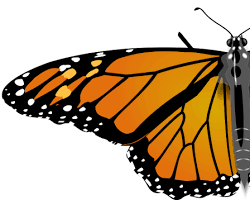
Butterflies are among the most recognizable and admired insects in the world. Known for their colorful wings and graceful flight, butterflies belong to the order Lepidoptera, which also includes moths. These insects play important ecological roles as pollinators and serve as indicators of environmental health.
Butterflies are found in a wide variety of habitats ranging from forests and meadows to deserts and suburban gardens. Their vibrant colors, delicate wing patterns, and fascinating life cycles have made them important symbols in art, science, and nature education for centuries.
Quick Facts
- Order: Lepidoptera
- Suborder: Rhopalocera
- Habitat: Meadows, forests, gardens, wetlands, deserts
- Diet: Nectar, plant material
- Life Cycle: Complete metamorphosis
- Status: Beneficial pollinator
- Active Season: Spring through fall
Taxonomy and Classification
Butterflies belong to the order Lepidoptera, one of the largest insect groups in the world. The word “Lepidoptera” means “scale wings,” referring to the tiny overlapping scales that cover butterfly and moth wings. These scales create the brilliant colors and patterns seen on adult butterflies.
Butterflies are generally separated from moths by several characteristics. Most butterflies are active during the day, possess clubbed antennae, and rest with their wings folded upright over their backs. Moths are usually nocturnal and often have feathery or tapered antennae.
Major butterfly families include:
- Nymphalidae – Brush-footed butterflies
- Papilionidae – Swallowtails
- Pieridae – Whites and sulfurs
- Lycaenidae – Blues and hairstreaks
- Hesperiidae – Skippers
Physical Description
Butterflies are known for their brightly colored wings and slender bodies. Most species have four wings covered in microscopic scales that reflect light to create vivid colors and patterns.
Adult butterflies typically have:
- Two pairs of scaled wings
- Large compound eyes
- Long antennae with clubbed tips
- A coiled feeding tube called a proboscis
- Six legs
Wing coloration serves many purposes including camouflage, mate attraction, warning predators, and mimicry. Some butterflies, such as monarchs, display bright warning colors to signal toxicity, while others blend perfectly into bark or leaves when resting.
Sizes vary widely depending on species. Small blues may measure less than one inch across, while giant swallowtails and tropical species can exceed six inches in wingspan.
Distribution and Habitat
Butterflies occur on every continent except Antarctica. They are most abundant in warm tropical and subtropical regions where flowering plants are plentiful. North America alone contains hundreds of butterfly species inhabiting forests, grasslands, wetlands, deserts, and urban landscapes.
Common butterfly habitats include:
- Wildflower meadows
- Gardens and parks
- Forest edges
- Wetlands
- Prairies
- Mountain valleys
- Coastal dunes
Many species depend heavily on specific host plants for survival. Female butterflies carefully select plants suitable for their caterpillars, ensuring newly hatched larvae have an immediate food source.
Life Cycle
Butterflies undergo complete metamorphosis, a four-stage life cycle consisting of egg, larva, pupa, and adult stages.
Egg Stage
Female butterflies lay eggs on or near host plants suitable for caterpillars. Eggs may be laid singly or in clusters depending on species.
Larva (Caterpillar) Stage
After hatching, the caterpillar begins feeding immediately. Caterpillars consume large amounts of foliage and grow rapidly, shedding their skin multiple times in a process called molting.
This stage is primarily focused on growth and energy storage. Some caterpillars possess defensive hairs, spines, or chemical defenses to deter predators.
Pupa (Chrysalis) Stage
When fully grown, the caterpillar forms a chrysalis. Inside this protective casing, the insect undergoes dramatic internal transformation as larval tissues reorganize into the adult butterfly form.
Adult Stage
The adult butterfly emerges from the chrysalis with soft, crumpled wings that expand as fluids are pumped into them. Once dry and hardened, the butterfly begins feeding, mating, and searching for host plants to continue the life cycle.
Behavior and Feeding Habits
Adult butterflies primarily feed on flower nectar using their long proboscis. During feeding, they transfer pollen between flowers, making them important pollinators in many ecosystems.
Some butterflies also feed on:
- Tree sap
- Rotting fruit
- Animal dung
- Mineral-rich mud puddles
- Decaying organic material
Many species are highly migratory. The Monarch Butterfly is famous for its long-distance migration across North America, traveling thousands of miles between breeding and overwintering grounds.
Butterflies are active mainly during warm daylight hours and rely heavily on sunlight to regulate body temperature.
Ecological Importance
Butterflies are essential components of healthy ecosystems. Their ecological roles include:
- Pollinating flowering plants
- Serving as food for birds, reptiles, and spiders
- Supporting biodiversity
- Acting as indicators of environmental quality
Because butterflies are sensitive to habitat destruction, pesticide exposure, and climate changes, scientists often monitor butterfly populations to evaluate ecosystem health.
Pest Status
Adult butterflies are generally considered beneficial insects and rarely cause problems. However, some caterpillar species may feed heavily on crops, ornamental plants, or garden vegetation.
In most cases, butterfly caterpillar feeding is temporary and relatively minor compared to the ecological benefits butterflies provide.
Examples of caterpillars that may occasionally damage plants include:
- Cabbage white butterfly caterpillars
- Black swallowtail larvae on herbs
- Certain skipper larvae on grasses
Threats to Butterfly Populations
Butterfly populations worldwide face increasing pressure from:
- Habitat destruction
- Pesticide exposure
- Climate change
- Urban development
- Loss of native host plants
- Pollution
Conservation efforts often focus on planting native flowers, reducing pesticide use, and preserving natural habitats that support butterfly breeding and migration.
How to Attract Butterflies
Gardeners can encourage butterflies by creating pollinator-friendly landscapes.
- Plant native flowering plants
- Include caterpillar host plants
- Provide shallow water or mud puddles
- Avoid broad-spectrum insecticides
- Create sunny resting areas
- Maintain diverse vegetation
Butterfly gardens help support local pollinators while providing colorful seasonal activity.
Interesting Facts About Butterflies
- Butterflies taste using sensors on their feet.
- Some species can see ultraviolet colors invisible to humans.
- Butterfly wings are transparent beneath their colored scales.
- The monarch butterfly migrates thousands of miles annually.
- Butterflies have existed for millions of years.