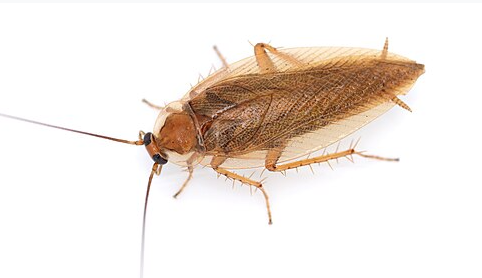
Ectobius Wood Cockroaches are a group of outdoor-dwelling cockroaches belonging to the genus Ectobius within the family Ectobiidae. Unlike infamous indoor pest cockroaches such as the German cockroach or American cockroach, these insects are generally considered harmless outdoor scavengers that rarely survive inside buildings. They are commonly associated with forests, gardens, mulch beds, and leaf litter, where they help break down decaying organic matter and contribute to nutrient recycling in natural ecosystems.
In recent years, some Ectobius species, especially the Spotted Mediterranean Cockroach (Ectobius pallidus), have expanded their range in portions of North America. These cockroaches are increasingly encountered around homes and buildings, especially during warm weather when adults are attracted to lights. Although their appearance often alarms homeowners, they do not establish indoor infestations and are not considered serious structural pests.
Taxonomy and Classification
- Kingdom: Animalia
- Phylum: Arthropoda
- Class: Insecta
- Order: Blattodea
- Family: Ectobiidae
- Genus: Ectobius
- Common Name: Ectobius Wood Cockroaches
The genus Ectobius includes numerous species distributed throughout Europe, Asia, and parts of North America. Many are commonly referred to as wood cockroaches due to their close association with wooded environments and decomposing plant material.
Unlike highly invasive indoor species, Ectobius cockroaches evolved primarily as outdoor insects adapted to moist organic habitats. Their ecological role is more similar to decomposer insects than household pests.
Physical Description
Ectobius Wood Cockroaches are relatively small and slender compared to common pest cockroaches. Adults typically measure between 8 and 12 millimeters in length. Their coloration ranges from pale tan to light brown, sometimes with darker spots or markings on the wings.
One of the most important identification features is the lack of the two dark stripes commonly found on the pronotum of German cockroaches. Some species display translucent wings with fine spotting patterns. Males are usually fully winged and capable of strong flight, while females may have shorter wings depending on the species.
Unlike nocturnal indoor pest species, many Ectobius cockroaches are active during daylight hours. They may be observed crawling on vegetation, mulch, or outdoor walls in sunny conditions. Their tendency to fly toward lights at night often leads to accidental indoor encounters.
Distribution and Habitat
Ectobius cockroaches are native to Europe and surrounding regions, but several species have become established in parts of North America. In the United States, they are increasingly reported in the Northeast, Mid-Atlantic, and other temperate regions.
These cockroaches prefer outdoor habitats rich in moisture and organic material. Common environments include:
- Forests
- Wooded residential areas
- Gardens
- Mulch beds
- Leaf litter
- Compost areas
- Landscaped yards
- Shrubbery and dense vegetation
Unlike indoor pest cockroaches, Ectobius species are poorly adapted to dry indoor conditions. Homes generally lack the humidity, organic debris, and environmental conditions necessary for them to establish breeding populations.
Behavior and Ecology
Ectobius Wood Cockroaches play an important ecological role as scavengers and decomposers. They feed primarily on decaying leaves, dead plant matter, fungi, and organic debris. By breaking down organic material, they help recycle nutrients back into the soil.
These cockroaches are generally shy and non-aggressive. During warm weather, adults may become highly active outdoors and are frequently attracted to artificial lighting around homes and buildings. Porch lights, garage lights, and illuminated windows often attract flying males during nighttime hours.
When they accidentally enter homes, they usually wander briefly before dying from dehydration due to the dry indoor environment. They do not infest kitchens, contaminate stored food, or reproduce indoors like German cockroaches.
Many homeowners mistakenly assume any cockroach sighting indicates a serious infestation. Proper identification is important because unnecessary pesticide applications are common when Ectobius cockroaches are confused with indoor pest species.
Life Cycle
Female Ectobius cockroaches produce egg cases known as oothecae, which are deposited outdoors in protected environments such as soil, mulch, or leaf litter. After hatching, the immature nymphs remain outdoors and continue feeding on decaying organic material.
The life cycle includes three main stages:
- Egg
- Nymph
- Adult
Nymphs resemble smaller wingless versions of adults and molt several times as they grow. Development is relatively slow compared to some indoor pest cockroaches, and many species complete only one generation per year.
Because their entire life cycle is adapted to outdoor habitats, indoor survival is generally poor. This is one of the main reasons these insects are not considered household infestation pests.
Human Interaction
Ectobius Wood Cockroaches are harmless to humans and pets. They do not bite, sting, or spread diseases in the same way associated with some indoor pest species. Their presence inside homes is usually temporary and accidental.
However, seeing cockroaches indoors often causes anxiety and concern for homeowners. Since many people associate all cockroaches with unsanitary conditions, the appearance of even harmless outdoor species may create significant stress.
In reality, these insects are often beneficial components of outdoor ecosystems and should not automatically be treated as major pests.
Signs of Activity
- Small tan or light brown cockroaches near outdoor lights
- Flying cockroaches around windows and porches at night
- Individuals found near mulch, leaf litter, or gardens
- Daytime activity on shrubs or vegetation
- Occasional accidental indoor sightings during summer
Damage and Economic Importance
Unlike major pest cockroach species, Ectobius cockroaches do not damage property, contaminate food supplies, or spread significant indoor pathogens. They are considered nuisance insects primarily because of their accidental entry into homes.
Their ecological importance as decomposers often outweighs any nuisance they create. By feeding on dead plant material and organic debris, they contribute to soil health and nutrient cycling.
Management and Control (IPM)
Management of Ectobius Wood Cockroaches focuses primarily on exclusion and habitat modification rather than aggressive pesticide use.
Seal entry points around doors, windows, vents, and utility openings to reduce accidental indoor entry.
Reduce outdoor lighting attraction by using yellow “bug lights,” minimizing unnecessary nighttime lighting, or positioning lights away from entry doors. Flying males are strongly attracted to bright lights.
Remove excess leaf litter and mulch near foundations. Reducing moist organic debris creates a less favorable environment close to structures.
Repair damaged screens on doors and windows to help prevent indoor access.
Mechanical removal is usually sufficient for individuals found indoors. Vacuuming or capturing and releasing them outside is often more appropriate than pesticide treatment.
Indoor cockroach baits are generally ineffective because these insects do not rely heavily on human food sources and rarely remain indoors long enough to establish populations.
Conclusion
Ectobius Wood Cockroaches are harmless outdoor scavengers that play a beneficial ecological role by breaking down organic matter in forests, gardens, and landscaped environments. Although they occasionally enter homes after being attracted to lights, they are not indoor infestation pests and cannot survive long in dry indoor conditions. Proper identification helps prevent unnecessary pesticide use and allows homeowners to distinguish these beneficial outdoor cockroaches from more problematic indoor species.