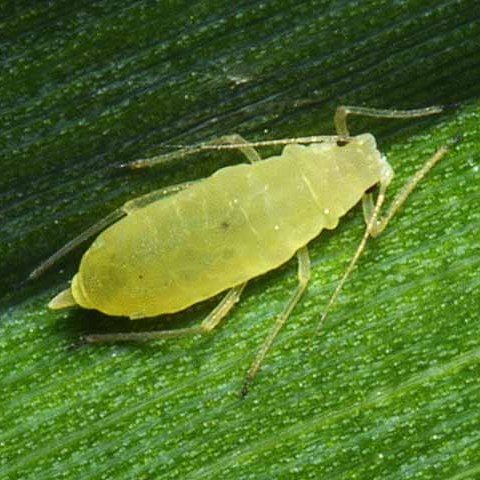
Discovering a pest infestation in a rental property can quickly lead to an important question: Who is responsible for paying for pest control services? Whether the problem involves cockroaches, rodents, termites, bed bugs, ants, or other pests, the answer often depends on state laws, lease agreements, property conditions, and the cause of the infestation.
In most situations, pest control responsibility is determined by a combination of landlord-tenant laws, housing codes, and the concept known as the Implied Warranty of Habitability. While landlords are generally required to provide safe and habitable living conditions, tenants may become financially responsible if their actions or negligence caused the infestation.
This guide explains how pest control liability is typically determined, the legal principles involved, and how responsibility may vary from state to state.
The Implied Warranty of Habitability
Most states recognize an implied warranty of habitability for residential rental properties. This legal principle requires landlords to provide and maintain housing that is safe, sanitary, and fit for human occupancy.
Because serious pest infestations can affect health, sanitation, and structural integrity, pest management is often considered part of a landlord’s obligation to maintain habitable housing.
The General Rule: Landlords are typically responsible for providing a pest-free property at move-in and maintaining the structure to prevent pest entry. However, if a tenant’s actions directly cause an infestation, responsibility may shift to the tenant.
When the Landlord Is Usually Responsible
Landlords are generally responsible for pest control when infestations result from structural issues, building-wide problems, or conditions outside the tenant’s control.
- Termites and Wood-Destroying Insects: Structural pests are usually considered the landlord’s responsibility.
- Rodents Entering Through Structural Gaps: If mice or rats enter through unsealed openings, damaged foundations, or building defects, landlords are generally responsible.
- Apartment and Multi-Unit Infestations: Building-wide infestations involving bed bugs, cockroaches, or rodents typically require landlord-managed treatment.
- Pre-Existing Pest Problems: Infestations that existed before the tenant moved in are generally the landlord’s responsibility.
- Failure to Maintain the Property: Unaddressed leaks, damaged siding, broken screens, and deteriorating structures can increase landlord liability.
When the Tenant May Be Responsible
Tenants may be financially responsible if their behavior directly contributes to pest activity.
- Poor Sanitation: Accumulated garbage, food debris, or unsanitary conditions that attract pests.
- Introducing Pests: Bringing infested furniture, mattresses, luggage, or belongings into the unit.
- Failure to Report Problems: Delaying notification of leaks, moisture issues, or pest activity that later worsens.
- Lease Violations: Ignoring pest-prevention requirements outlined in the rental agreement.
Factors That Determine Liability
Several factors are commonly reviewed when determining responsibility for pest control costs:
- The type of pest involved.
- Whether the infestation existed before occupancy.
- The condition of the property.
- The tenant’s housekeeping and maintenance practices.
- The language contained in the lease agreement.
- State and local landlord-tenant laws.
- Professional inspection findings.
State-by-State Pest Control Laws
Pest control laws vary significantly across the United States. Some states place most responsibility on landlords, while others allow pest-control obligations to be shifted through lease agreements.
Many states also have specific laws covering bed bugs, repair-and-deduct remedies, rent withholding rights, inspection timelines, and notification requirements.
States With Strong Tenant Protections
States such as California, Massachusetts, New York, Connecticut, New Jersey, and Maine generally place significant pest-control obligations on landlords, particularly for serious infestations involving rodents, cockroaches, and bed bugs.
States That Allow More Lease Flexibility
States such as Alabama, Florida, Georgia, Kansas, and North Carolina often permit certain pest-control responsibilities to be transferred to tenants through properly written lease agreements.
Arkansas: A Unique Exception
Arkansas remains unique because it does not recognize a traditional implied warranty of habitability in the same way as most other states. Pest-control responsibility is often determined almost entirely by the lease agreement.
What To Do If You Discover Pests in a Rental Property
- Document the Problem: Take photographs and keep records of pest sightings, damage, droppings, nests, or bites.
- Review the Lease: Check for clauses addressing pest control responsibilities.
- Notify the Landlord in Writing: Written communication helps establish a record of the issue.
- Request Professional Inspection: A licensed pest management professional can help identify the source and cause.
- Keep Copies of All Documentation: Save inspection reports, emails, letters, invoices, and photographs.
- Follow State Requirements: Some states require specific notice periods before additional legal remedies become available.
Conclusion
Responsibility for pest control in rental properties depends on several factors, including the type of pest, the cause of the infestation, state laws, housing codes, and lease provisions. In most cases, landlords are responsible for maintaining habitable living conditions and correcting structural issues that contribute to infestations. However, tenants may be held responsible when their actions directly cause or worsen pest problems.
Because laws vary widely from state to state, both landlords and tenants should review local regulations and consult qualified legal or pest management professionals when disputes arise.