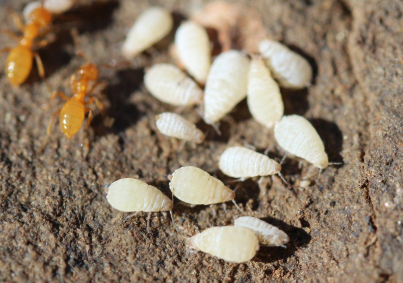
Root Aphids are small, sap-feeding insects that live below the soil surface and feed exclusively on plant roots. Several genera, including Pemphigus, Rhizoecus, and Geoica, contain species commonly referred to as root aphids. Unlike the more familiar foliage-feeding aphids found on leaves and stems, root aphids remain hidden in the soil, where they can cause significant damage before their presence is detected.
Root aphids are particularly troublesome in greenhouses, nurseries, hydroponic systems, and container-grown plants. Their feeding weakens plants by removing essential nutrients and water from the root system. Infested plants often exhibit symptoms similar to drought stress, nutrient deficiencies, or root diseases, making diagnosis challenging. Severe infestations may lead to stunting, wilting, poor growth, and even plant death.
Taxonomy and Classification
Root aphids belong to the order Hemiptera, commonly known as the true bugs. Most species are members of the superfamily Aphidoidea.
- Kingdom: Animalia
- Phylum: Arthropoda
- Class: Insecta
- Order: Hemiptera
- Superfamily: Aphidoidea
- Common Genera: Pemphigus, Rhizoecus, Geoica, Forda
Like other aphids, root aphids reproduce rapidly and often parthenogenetically, meaning females can produce offspring without mating. Under favorable conditions, populations may increase dramatically within a short period.
Physical Description
Adult root aphids are tiny insects measuring less than 3 millimeters in length. Their appearance varies depending on species, but most are pale-colored and covered with a waxy coating.
- Adult (Key ID): Small, oval-bodied insects that are white, cream-colored, yellow, or pale brown.
- Waxy Coating (Key ID): Most species are covered with a white, powdery, cottony, or mealy wax that protects them from desiccation and insecticides.
- Winged Forms: Some species produce winged adults known as alates, which disperse to colonize new plants.
- Damage ID: Wilting, yellowing, stunting, and poor growth despite adequate irrigation and fertilization.
- Conflict: Ornamental, Agricultural, Greenhouse.
Because root aphids remain underground, infestations are frequently discovered only when plants are removed from pots or when roots are inspected directly.
Distribution and Habitat
Root aphids occur worldwide and infest a wide range of cultivated and wild plants.
Common habitats include:
- Greenhouses
- Plant nurseries
- Container plants
- Hydroponic systems
- Agricultural fields
- Landscape ornamentals
- Indoor houseplants
Stable environmental conditions found in greenhouses and indoor growing facilities often favor rapid population growth and persistent infestations.
Host Plants
Root aphids feed on numerous plant species. Common hosts include:
- Lettuce
- Tomatoes
- Peppers
- Cannabis
- Strawberries
- Grasses
- Succulents
- Houseplants
- Fruit trees
- Ornamental flowers
Some root aphid species exhibit strong host preferences, while others feed on a broad range of plants.
Life Cycle
Root aphids undergo incomplete metamorphosis, progressing through egg, nymph, and adult stages.
Egg Stage
Depending on the species, eggs may be deposited in soil, on roots, or near host plants. Some species overwinter as eggs.
Nymph Stage
Nymphs closely resemble adults but are smaller and wingless. They begin feeding immediately upon hatching and pass through several molts before maturity.
Adult Stage
Adults continue feeding on root tissues and reproduce rapidly. In many species, females give birth to live young without mating, allowing populations to expand quickly.
Under favorable greenhouse conditions, multiple overlapping generations can occur year-round.
Behavior and Conflict
The hidden lifestyle of root aphids makes them especially difficult to detect and control.
- Hidden Feeding: Root aphids remain below the soil surface, often escaping early detection.
- Rapid Reproduction: Colonies can expand quickly under warm, stable conditions.
- Winged Dispersal: Alate forms may emerge and spread infestations to nearby plants.
- Protective Wax: The waxy coating shields aphids from contact insecticides and environmental stress.
Because infestations occur underground, plant decline may be severe before visible symptoms appear.
Ant Symbiosis
Many root aphid species maintain mutualistic relationships with ants.
Ants protect root aphids from predators and parasitoids in exchange for sugary honeydew secretions. In some cases, ants actively transport aphids to new plants or roots, facilitating the spread of infestations.
The presence of large numbers of ants around potted plants or greenhouse benches may indicate a hidden root aphid infestation.
Symptoms and Damage
Root aphid feeding removes sap from plant roots, reducing the plant’s ability to absorb water and nutrients.
Common symptoms include:
- Stunted growth
- Wilting despite adequate watering
- Yellowing leaves
- Nutrient deficiency symptoms
- Poor vigor
- Reduced flowering and fruit production
- Root decline
- Plant death in severe infestations
Heavy infestations may also increase plant susceptibility to root rot pathogens and other soil-borne diseases.
Management and Prevention
Successful management of root aphids requires an integrated pest management (IPM) approach.
Inspection and Monitoring
- Inspect roots and potting media regularly.
- Monitor for unexplained plant decline.
- Watch for winged aphids near plants.
- Investigate unusual ant activity.
Cultural Control
- Use clean, sterile potting media.
- Avoid introducing infested plants.
- Quarantine new plants before adding them to collections.
- Remove and destroy heavily infested plants.
- Manage ant populations around growing areas.
Chemical Control (Key Strategy)
Because root aphids feed below ground, systemic insecticides are generally more effective than contact sprays.
- Apply systemic insecticides as soil drenches or granules.
- Rotate active ingredients to reduce resistance development.
- Follow all product label instructions carefully.
Biological Control
Researchers continue to explore biological control options for root aphids.
Potential biological agents include:
- Entomopathogenic fungi
- Beneficial nematodes
- Predatory beetles
- Soil-dwelling predatory mites
Research and Conservation
Current research focuses on improving biological control techniques for subterranean pests, identifying resistant plant varieties, and developing environmentally friendly management strategies. Scientists are particularly interested in using beneficial fungi and nematodes capable of locating and killing aphids within the soil environment.
Conclusion
Root Aphids are cryptic but highly destructive pests capable of causing serious losses in ornamental, greenhouse, and agricultural production systems. Early detection, sanitation, ant management, and systemic control measures remain essential for preventing severe infestations and maintaining healthy plant growth.