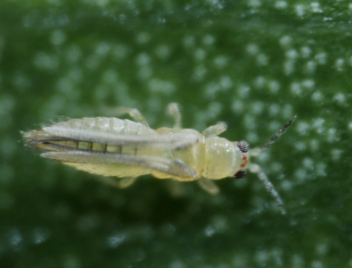
The Chili Thrips (Scirtothrips dorsalis), also called chilli thrips, is a tiny but highly destructive insect pest that attacks a broad range of agricultural and ornamental plants. Despite its common name, this species is not limited to chili peppers. It also feeds on roses, citrus, strawberries, blueberries, and numerous other hosts.
Chili thrips damage plants by piercing and scraping tender tissues and consuming the released cell contents. Their feeding produces leaf curling, bronzing, scarring, and distorted new growth. Severe infestations can reduce plant vigor, damage fruit, and significantly affect ornamental quality.
The species is also associated with transmission of certain plant viruses, increasing its agricultural importance in susceptible crops.
Taxonomy and Classification
- Common Name: Chili Thrips
- Alternative Name: Chilli Thrips
- Scientific Name: Scirtothrips dorsalis
- Order: Thysanoptera
- Family: Thripidae
- Genus: Scirtothrips
- Species: S. dorsalis
- Hosts: Peppers, roses, citrus, strawberries, and many other plants
Physical Description and Identification
Adults: Adult chili thrips are extremely small, typically about 1 millimeter long. Their bodies are slender and pale yellowish, with narrow wings fringed by fine hairs.
Eggs: Females insert eggs into tender plant tissues, making them difficult to detect.
Larvae: Immature thrips are pale, wingless, and resemble smaller adults.
Prepupae and Pupae: Later developmental stages are less active and may occur in sheltered plant locations or surrounding debris.
Key Identification Features
- Tiny pale insects on tender leaves and buds.
- Distorted or tightly curled new foliage.
- Bronzed or silvery feeding scars.
- Brown scarring on flowers and developing fruit.
- Stunted growing points.
- Severe damage despite relatively few visible insects.
Distribution and Habitat
Chili thrips originated in Asia and have spread into numerous tropical and subtropical regions.
In the United States, the pest has become established in warm regions, including Florida and other suitable areas.
It occurs in vegetable fields, ornamental nurseries, greenhouses, gardens, and commercial fruit production systems.
Life Cycle and Reproduction
Egg Stage
Females insert eggs into young plant tissues, protecting them from direct exposure.
Larval Stages
Two feeding larval stages develop on tender plant surfaces.
Prepupal and Pupal Stages
The insect passes through relatively inactive stages before becoming an adult.
Adult Stage
Adults feed, mate, and reproduce. Warm conditions may permit rapid development and numerous generations annually.
Damage and Signs of Infestation
- Leaf Curling: Feeding distorts developing foliage.
- Bronzing: Damaged leaf surfaces become brownish or bronze-colored.
- Flower Damage: Feeding may deform flowers and reduce ornamental quality.
- Fruit Scarring: Developing fruit may display rough or discolored patches.
- Stunted Growth: Heavy infestations can suppress new shoot development.
- Virus Transmission: Certain populations can transmit plant viruses under suitable conditions.
Management and Integrated Pest Management (IPM)
1. Inspect New Growth
Monitor tender shoots, buds, and developing leaves with a hand lens.
2. Remove Heavily Damaged Growth
Prune severely infested shoots when appropriate for the host plant.
3. Encourage Predators
Predatory mites, minute pirate bugs, and other natural enemies can contribute to suppression.
4. Monitor with Sticky Traps
Sticky traps may help detect adult activity, although direct plant inspection is essential.
5. Avoid Unnecessary Broad-Spectrum Sprays
Disruptive insecticides may reduce beneficial insect populations and contribute to pest resurgence.
6. Use Registered Selective Treatments
Apply locally recommended products when monitoring indicates a need. Rotate insecticide modes of action to reduce resistance risk.
Conclusion
The Chili Thrips (Scirtothrips dorsalis) is a highly adaptable pest capable of damaging vegetables, fruit crops, and ornamentals. Its small size, rapid reproduction, and preference for tender growth make early detection essential. Monitoring, biological control, sanitation, and selective treatments provide the foundation for effective management.