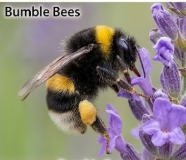
American Bumble Bee (Bombus pensylvanicus) is a species of bumble bee in the family Apidae, native to North America. Once one of the most common bumble bees across the eastern and central United States, this species has experienced significant population declines in recent decades. It is an important pollinator of wildflowers and agricultural crops, playing a crucial role in maintaining ecosystem health and food production.
The American Bumble Bee is known for its large size, fuzzy body, and distinctive black-and-yellow coloration. Like other bumble bees, it lives in colonies and exhibits complex social behavior.
Taxonomy and Classification
- Common Name: American Bumble Bee
- Scientific Name: Bombus pensylvanicus
- Order: Hymenoptera
- Family: Apidae
- Type: Social pollinating bee
The genus Bombus includes numerous species of bumble bees, many of which are essential pollinators. The American Bumble Bee is closely related to other native bees that contribute to pollination in natural and agricultural systems.
Identification and Physical Description
American Bumble Bees are large, robust insects, typically measuring between 3/4 to 1 inch in length. They are covered in dense hairs (setae), giving them a fuzzy appearance.
Key identifying features include:
- Yellow thorax with a distinct black patch between the wings
- Mostly black abdomen with limited yellow banding
- Stout body adapted for pollen collection
- Relatively long tongue for accessing nectar from deep flowers
Queens are larger than workers and males, while workers are slightly smaller but similar in appearance.
Life Cycle
The American Bumble Bee undergoes complete metamorphosis, with egg, larva, pupa, and adult stages.
In early spring, a fertilized queen emerges from hibernation and begins searching for a nesting site. Once a suitable location is found, she lays eggs and raises the first generation of workers.
Workers take over foraging and nest maintenance, allowing the queen to focus on reproduction. As the colony grows, it produces males and new queens.
At the end of the season, new queens mate and enter hibernation, while the rest of the colony dies off. The cycle begins again the following year.
Habitat and Nesting
American Bumble Bees are commonly found in:
- Grasslands and prairies
- Open fields and meadows
- Agricultural areas
- Gardens and residential landscapes
They typically nest on or just below the ground, often using abandoned rodent burrows, grass clumps, or other sheltered locations.
Suitable nesting sites are critical for colony survival and reproduction.
Behavior and Ecology
American Bumble Bees are social insects that live in colonies with a queen, workers, and reproductive individuals. They are active during the day and are frequently seen visiting flowers.
They are known for their ability to perform buzz pollination, a technique in which they vibrate flowers to release pollen. This makes them particularly effective pollinators for crops such as tomatoes and peppers.
Although generally docile, they can sting if their nest is threatened. However, they are less aggressive than many wasp species.
As pollinators, they support plant reproduction and contribute to ecosystem stability.
Diet
American Bumble Bees feed on:
- Nectar for energy
- Pollen for protein, especially for developing larvae
Workers collect and transport pollen back to the nest, where it is used to feed the colony.
Ecological Importance
The American Bumble Bee is a vital pollinator with significant ecological and agricultural importance.
- Pollinates wildflowers and native plants
- Supports crop production
- Enhances biodiversity
- Maintains ecosystem health
Its decline has raised concerns about pollinator loss and its potential impact on food systems.
Threats and Conservation
Populations of the American Bumble Bee have declined due to several factors:
- Habitat loss and fragmentation
- Pesticide exposure
- Disease and parasites
- Climate change
Conservation efforts focus on protecting habitats, reducing pesticide use, and promoting pollinator-friendly practices.
Management and Protection
Rather than controlling this species, efforts should focus on supporting its survival.
- Plant pollinator-friendly flowers: Provide continuous bloom throughout the season.
- Reduce pesticide use: Limit exposure to harmful chemicals.
- Preserve nesting sites: Maintain natural habitats and undisturbed areas.
- Support biodiversity: Encourage diverse plant and insect communities.
These measures help sustain healthy populations of this important pollinator.
Human Interaction and Risks
American Bumble Bees are generally non-aggressive and pose minimal risk to humans. They may sting if handled or if their nest is disturbed, but such incidents are uncommon.
Their presence in gardens and landscapes is beneficial and should be encouraged.
Related Articles
Conclusion
The American Bumble Bee is an essential pollinator whose contributions to ecosystems and agriculture cannot be overstated. Despite facing significant population declines, it remains a key species in supporting plant reproduction and biodiversity.
Conservation efforts and pollinator-friendly practices are critical to ensuring the survival of this species. By understanding its role and supporting its habitat, individuals and communities can help protect this valuable insect for future generations.