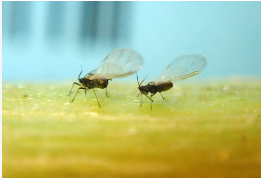
Cotton root aphids are small, sap-feeding insects that colonize the roots and underground portions of cotton plants. The name does not describe a single species. Instead, it refers to several subterranean aphids that may occasionally use cotton as a host. Important examples include the white cotton or bean root aphid, Smynthurodes betae; corn root aphid, Protaphis middletonii; and rice root aphid, Rhopalosiphum rufiabdominale.
Root aphid infestations are easily overlooked because the insects remain below the soil surface. Feeding damage may be mistaken for drought stress, nutrient deficiency, root disease, nematode injury, compaction, or poor irrigation. Although these aphids are not currently among the most frequently encountered cotton pests in the United States, localized populations can injure seedlings and contribute to uneven or poorly growing areas within fields.
Taxonomy and Classification
- Kingdom: Animalia
- Phylum: Arthropoda
- Class: Insecta
- Order: Hemiptera
- Suborder: Sternorrhyncha
- Superfamily: Aphidoidea
- Family: Aphididae
Cotton root aphids are true bugs equipped with piercing-sucking mouthparts. They are related to the familiar aphids found on leaves and stems, but their underground feeding habits give them different identification and management challenges.
Cotton Root Aphid Species
White Cotton Root Aphid
The white cotton root aphid, Smynthurodes betae, is also known as the bean root aphid. It has been recorded from plants in more than 35 families, including cotton, beans, alfalfa, beets, potatoes, tomatoes, cruciferous vegetables, and pistachios. Colonies may be closely associated with ants that collect the aphids’ honeydew and protect them from predators.
Corn Root Aphid
The corn root aphid, Protaphis middletonii, is primarily associated with corn, grasses, and certain weeds but has also been found feeding on cotton roots. It is one of the more frequently detected aphid species in monitoring studies conducted around cotton fields in the southern United States. However, it does not regularly produce the widespread cotton infestations associated with the aboveground cotton aphid.
Rice Root Aphid
The rice root aphid, Rhopalosiphum rufiabdominale, is a widely distributed species with a broad host range. It feeds on the roots of grasses, grains, vegetables, ornamentals, and several greenhouse crops. Cotton is an occasional host. The insect is sometimes encountered in hydroponic and container-growing systems as well as agricultural soil.
Identification
Root aphids are tiny, soft-bodied insects that are usually less than one-eighth inch long. Depending on species, age, and environmental conditions, they may be white, cream, yellow, pale green, gray-green, brown, or nearly black. Their bodies are typically pear-shaped or oval, although underground species can appear more rounded than common leaf-feeding aphids.
Wingless individuals make up most established root colonies. When plants become crowded, deteriorate, or reach a particular seasonal stage, winged adults may develop and disperse to new hosts. These winged forms can emerge from soil cracks and may be captured on sticky cards or in pan traps.
Root aphids may be covered with a thin layer of white, waxy material. This sometimes causes them to be confused with root mealybugs. Aphids generally have softer, more pear-shaped bodies, while root mealybugs are often more oval and have a heavier coating of powdery or filamentous wax. Microscopic examination by an entomologist may be required for species-level identification.
Difference Between Cotton Root Aphids and Cotton Aphids
Cotton root aphids should not be confused with the cotton or melon aphid, Aphis gossypii. Cotton aphids normally form visible colonies on leaves, growing points, stems, and other aboveground plant parts. They produce honeydew that can cover foliage and contaminate exposed lint.
Root aphids remain primarily in the soil and feed on roots. They are much less commonly observed in cotton fields and generally do not deposit honeydew directly onto bolls or lint. Aphis gossypii is also the only aphid currently confirmed as a vector of cotton leafroll dwarf virus in the United States. The bean root aphid has not been implicated in transmitting plant viruses.
Distribution and Habitat
Several cotton-associated root aphids have broad or nearly worldwide distributions. They can occur in crop fields, gardens, greenhouses, nurseries, pastures, and weedy areas. Populations develop around fine feeder roots, underground stems, and the upper root zone.
Fields with abundant weeds or volunteer host plants may provide places for root aphids to survive between crops. Soil cracks caused by dry conditions can help winged aphids reach plant roots. Ant nests and trails near unhealthy cotton plants may also indicate hidden colonies because some ants move, protect, or tend root aphids in exchange for honeydew.
Life Cycle and Behavior
Root aphid life cycles vary by species and climate. During favorable conditions, wingless females may reproduce without mating and give birth to live nymphs. This allows colonies to increase rapidly without an egg-laying period between generations.
Nymphs resemble smaller versions of the adults and molt several times before reaching maturity. Multiple overlapping generations can develop around a plant’s root system. Winged females disperse when colonies become crowded or when host quality declines.
Some species remain on underground hosts for much of the year. Others alternate between primary woody hosts and the roots of herbaceous plants. Cold-season survival may occur as eggs, dormant adults, or colonies protected within soil, depending on the aphid species and local conditions.
Cotton Root Aphid Damage
Both adults and nymphs insert their mouthparts into roots and remove plant fluids. Small colonies may cause no obvious economic injury. Larger infestations can interfere with water and nutrient uptake, particularly when plants are young or already under stress.
- Slow or uneven seedling growth
- Yellowing or pale foliage
- Wilting despite apparently adequate irrigation
- Reduced plant vigor
- Smaller root systems
- Delayed development
- Patchy stands or seedling loss
Damage may be most noticeable during dry weather, when a weakened root system cannot supply enough moisture to the plant. Severe infestations can cause seedlings to become stunted or die, but established cotton plants may tolerate low aphid populations without measurable yield loss.
These symptoms are not unique to root aphids. Cotton root rot, seedling diseases, root-knot nematodes, herbicide injury, salinity, compaction, poor drainage, and irrigation problems can produce similar patterns. The roots and surrounding soil must be examined before assigning a cause.
Scouting and Diagnosis
Investigate areas containing wilted, yellow, or undersized plants. Carefully dig entire plants with a block of surrounding soil rather than pulling them from the ground, which can leave infested fine roots behind. Examine feeder roots, the soil immediately touching the roots, and crevices around the crown.
A hand lens can help reveal colonies of pale or dark aphids, cast skins, waxy deposits, and ants. Compare affected plants with healthy plants growing nearby. Record whether symptoms occur in isolated spots, along field edges, in dry areas, or near weed patches.
Winged aphids collected above a field do not prove that a damaging root colony is present. Submit insects and affected roots to a county Extension office or diagnostic laboratory when identification is uncertain. Correct identification is particularly important because management differs among aphids, mealybugs, nematodes, and root diseases.
Management and Control
Cultural Control
Maintain cotton vigor through appropriate irrigation, fertility, and soil management. Avoid excessive or unnecessary nitrogen, which can favor the growth of some sap-feeding insects. Manage volunteer cotton and broadleaf or grassy weeds that may serve as alternate root aphid hosts.
Crop rotation may help when the aphid species and its principal hosts are known. However, rotation is less effective against species with broad host ranges. Field records showing the location, crop history, weather conditions, and severity of affected areas can help determine whether a recurring pattern exists.
Ant Management
Ants may protect underground aphids from predators and move them between roots. Persistent ant trails leading to stressed plants should be investigated. Managing the aphid colony and its host plants is more important than treating every ant observed in a field. If ants are contributing to a confirmed infestation, use locally recommended ant-management practices that minimize harm to beneficial insects.
Biological Control
Predatory beetles, soil-dwelling predators, fungal pathogens, and other natural enemies may attack root aphids. Their impact is less visible than the activity of lady beetles and lacewings in aboveground aphid colonies. Ant protection and the sheltered soil habitat can also limit access by natural enemies.
Insecticide Decisions
Routine foliar aphid sprays are unlikely to reach colonies feeding below the soil surface. No single treatment threshold applies to all cotton root aphid species, and insecticide treatment may not be economical unless aphids are confirmed as the cause of significant plant injury.
Commercial growers should consult current state Extension recommendations before treating. Any soil-applied or systemic insecticide must be specifically labeled for cotton, the application method, and the target pest. Consider plant growth stage, population distribution, beneficial insects, resistance management, irrigation practices, and the likelihood that plants will recover before making an application.
Conclusion
Cotton root aphids are a group of hidden, subterranean pests rather than one individual species. They occasionally weaken cotton by removing fluids from the root system, particularly during the seedling stage or under drought stress. Because their symptoms closely resemble diseases, nematodes, nutrient disorders, and irrigation problems, management should begin with careful root inspection and professional identification. Maintaining plant vigor, controlling alternate hosts, monitoring ant activity, and using insecticides only when justified form the foundation of an effective integrated pest management program.