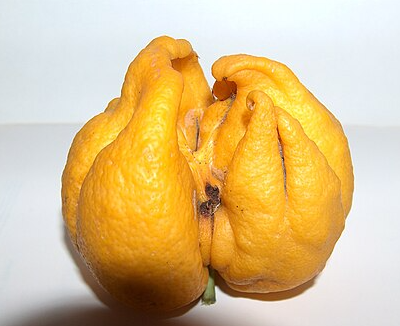
Citrus Bud Mites (Aceria sheldoni) are microscopic pests that attack citrus trees by feeding on buds, flowers, and young fruit. Their feeding causes abnormal growth and distortion, which can significantly reduce fruit yield and quality.
These mites are especially problematic because they are not visible to the naked eye and live hidden within plant tissue. Infestations are typically detected by the damage they cause rather than by observing the mites themselves.
Taxonomy and Classification
- Common Name: Citrus Bud Mite
- Scientific Name: Aceria sheldoni
- Order: Trombidiformes
- Family: Eriophyidae
- Type: Microscopic plant-feeding mite
Citrus bud mites are part of the eriophyid mite group, which are known for their elongated, worm-like bodies and highly specialized feeding behavior.
Identification
Citrus bud mites are extremely small and require magnification to observe directly.
- Size: Approximately 0.2 mm long
- Shape: Elongated, worm-like (carrot-shaped)
- Legs: Two pairs of legs near the head
- Visibility: Invisible without magnification
Common signs of infestation include:
- Distorted buds and shoots
- Misshapen or “fingered” fruit
- Twisted or curled leaves
- Stunted growth or rosetting
Damage symptoms are often the first and only indication of their presence.
Distribution and Habitat
Citrus bud mites are commonly found in warm citrus-growing regions, including parts of the United States such as California and the Southwest.
They inhabit:
- Bud scales
- Developing flowers
- Young fruit
- Leaf crevices
Their preference for protected areas makes them difficult to detect and treat effectively.
Behavior and Life Cycle
Citrus bud mites reproduce rapidly, especially in warm and humid conditions.
Key characteristics of their life cycle include:
- Egg Stage: Eggs are laid within buds and protected plant tissues
- Larval and Nymph Stages: Development occurs within buds and developing plant parts
- Adult Stage: Adults remain concealed and continue feeding
Multiple generations occur throughout the year, allowing populations to build quickly if not managed.
Feeding and Damage
Citrus bud mites feed on developing plant tissue, causing permanent deformities.
- Fruit Malformation: Misshapen, elongated, or multi-lobed fruit
- Rosetting: Bunched, stunted growth of leaves and shoots
- Blossom Drop: Flowers fail to develop or fall prematurely
- Reduced Yield: Deformed fruit is often unmarketable
Damage occurs early in development, making it irreversible once symptoms appear.
Management and Control
Management focuses on reaching mites hidden within plant tissues and reducing population buildup.
| Strategy | Purpose | Benefit |
|---|---|---|
| Horticultural Oils | Apply narrow-range oils to buds and shoots | Suffocates mites and penetrates protected areas |
| Sulfur Treatments | Apply sulfur-based products | Reduces mite populations and suppresses outbreaks |
| Pruning | Remove infested shoots and buds | Eliminates concentrated populations |
| Monitoring | Inspect buds using magnification | Allows early detection and targeted control |
Proper timing of treatments during active growth periods is critical for success.
Prevention
- Regularly inspect trees for abnormal growth
- Maintain proper pruning to improve airflow
- Encourage healthy plant growth
- Apply preventative treatments when needed
- Reduce conditions that favor high humidity
Preventative care can significantly reduce infestation severity.
Related Articles
Conclusion
Citrus bud mites are highly destructive, microscopic pests that cause significant deformities in citrus plants. Their hidden feeding habits make them difficult to detect and control until damage becomes visible.
Through early monitoring, proper pruning, and targeted treatments, infestations can be managed effectively, helping to preserve fruit quality and overall tree health.