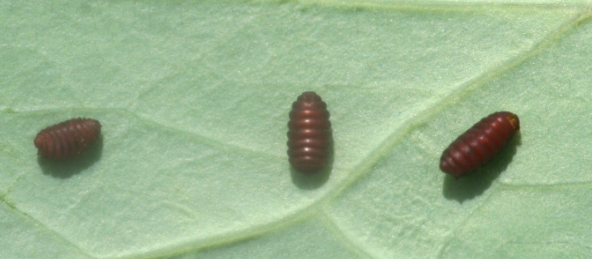
Columbine Leafminers (Phytomyza aquilegivora) are specialized pests that attack columbine plants (Aquilegia spp.), creating distinctive serpentine tunnels within leaves as their larvae feed between tissue layers. These pests are commonly encountered in ornamental gardens where columbine is grown for its visual appeal.
Although they rarely kill plants outright, their feeding can significantly reduce the aesthetic value of ornamental plantings. Heavy infestations may weaken plants, leading to reduced vigor and premature browning of foliage.
Taxonomy and Classification
- Common Name: Columbine Leafminer
- Scientific Name: Phytomyza aquilegivora
- Order: Diptera
- Family: Agromyzidae
- Type: Leaf-mining ornamental pest
Columbine leafminers are part of the leaf-mining fly group, characterized by larvae that live and feed within plant tissue.
Identification
Direct observation of the insect is rare, but damage symptoms are highly distinctive.
- Adults: Very small (approx. 2 mm), dark-colored flies with subtle pale markings
- Larvae: Tiny, pale yellow, legless maggots feeding inside leaves
Key identifying signs include:
- Winding, serpentine leaf mines
- Pale or whitish trails across foliage
- Dark frass line within the mine
- Leaf yellowing and distortion
These trails are often the first visible sign of infestation.
Distribution and Habitat
Columbine leafminers are widely distributed across the United States and other temperate regions where columbine plants are cultivated.
They are commonly found in:
- Ornamental gardens
- Landscape plantings
- Nursery environments
Infestations are most common in spring and early summer when plants are actively growing.
Behavior and Life Cycle
Columbine leafminers undergo complete metamorphosis.
The lifecycle includes:
- Egg Stage: Eggs are deposited on leaf surfaces
- Larval Stage: Larvae burrow into leaves and feed internally
- Pupal Stage: Pupation occurs in soil or leaf litter
- Adult Stage: Adults emerge and lay eggs on new foliage
Multiple generations may occur in a single growing season, increasing infestation potential.
Feeding and Damage
Damage is caused by larvae feeding within leaf tissue.
- Leaf Mining: Creates hollow tunnels that disrupt internal structure
- Photosynthetic Reduction: Damaged leaves produce less energy
- Aesthetic Damage: Leaves appear unsightly and discolored
- Premature Leaf Drop: Severe infestations may cause foliage loss
While primarily cosmetic, heavy infestations can weaken plants over time.
Management and Control
Effective management focuses on early intervention and sanitation.
| Strategy | Purpose | Benefit |
|---|---|---|
| Leaf Removal | Remove and destroy mined leaves early | Eliminates larvae before they complete development |
| Seasonal Cleanup | Cut back foliage in fall | Removes overwintering pupae |
| Row Covers | Use fine mesh barriers in spring | Prevents adult flies from laying eggs |
| Monitoring | Inspect leaves regularly | Allows early detection of infestations |
Early removal of infested leaves is the most effective method for small-scale garden control. :contentReference[oaicite:6]{index=6}
Prevention
- Inspect plants frequently during early growth stages
- Remove affected leaves promptly
- Maintain garden sanitation
- Encourage beneficial insects
- Avoid overcrowded plantings
Preventative care helps reduce population buildup and recurring infestations.
Related Articles
Conclusion
Columbine leafminers are specialized pests that primarily impact ornamental value through their distinctive leaf mining damage. While rarely fatal to plants, their presence can significantly reduce the visual appeal of gardens.
Through early detection, removal of infested leaves, and proper garden maintenance, infestations can be effectively managed, preserving healthy and attractive columbine plants.