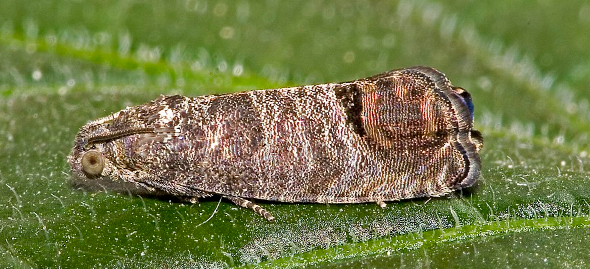
Codling weevil variants refer to a group of closely related snout beetles that attack fruit crops, particularly apples, pears, and other pome fruits. While the codling moth is more widely known, these weevil species also contribute to fruit damage by boring into developing fruit and feeding internally. Their activity results in deformities, premature fruit drop, and reduced marketability.
These pests are most active during the early stages of fruit development when the outer skin is still soft enough to penetrate. Adult females use their elongated snouts to create entry holes and deposit eggs inside the fruit. Once larvae hatch, they feed internally, protected from external control measures.
Although less studied than codling moths, codling weevil variants can contribute significantly to crop losses when populations are high. Their presence often goes unnoticed until fruit damage becomes visible, making monitoring and early detection essential.
The “Apple Worm” Complex: Codling Moth Variants
While often colloquially called the “Codling Weevil,” the Codling Moth (Cydia pomonella) is a high-priority agricultural pest throughout the United States. This insect is notorious as the primary cause of “wormy apples.” These variants include populations with different voltinism (number of generations) and host-specific adaptations that target U.S. apples, pears, and walnuts.
Technical Identification: Diagnostic Markers
- Phenotype (Adult): Characterized by a grayish-brown body with fine transverse striae (approx. 10mm). A primary diagnostic key for is the distinctive bronze or copper circular patch at the tip of each forewing, known as the “ocellus.”
- Larval Phenotype: The larvae are creamy-white to pinkish caterpillars with a dark brown head capsule. They utilize mandibles to bore directly into the center of pome fruits to consume the seeds.
- Variant Differences: In the United States, national variants are distinguished by their diapause timing. Some northern U.S. variantsproduce only one generation, while southern variants can produce up to four.
Infestation Impact: Seed Predation and Frass Contamination
The primary impact of Codling Moth variants is the destruction of the fruit core and the contamination of the national fresh fruit market.
- Internal Boring: As the “noxious” larvae tunnel toward the seeds, they fill the gallery with brown frass (waste). This excavation ruins the edible portion of the apple or pear.
- Sting Marks: Early-stage feeding often results in “stings”—small, shallow pits on the skin. These unsightly scars render the fruit unmarketable for national Grade A standards.
- Calyx Entry: Many variants prefer to enter through the calyx (bottom) of the fruit. This strategy makes the initial infestation difficult to detect during national orchard surveys.
Management & Control Strategies
Management of Codling Moth variants in U.S. orchards focuses on disruption of mating and timed protection.
| Strategy | Technical Specification | Operational Benefit |
|---|---|---|
| Mating Disruption | Deploying pheromone dispensers throughout the U.S. orchard | confuses adult males; provides prevention of egg-laying; the national standard for organic fruit. |
| Trunk Banding | Wrapping corrugated cardboard bands around tree trunks | Mechanically traps mature larvae searching for pupation sites; reduces the overwintering national population. |
| Fruit Thinning | Removing touching fruit clusters | eliminates the mechanical bridge that allows larvae tomigrate between fruits; a effective strategy for Pestipedia.com users. |
- Monitoring: Use pheromone traps and degree-day models to predict national hatch dates. Finding 5 or more moths per trap indicates that egg-laying is imminent.
- Technical Tip: Sanitation is key. Removing “culls” or dropped fruit from the orchard floor removes larvae before they can complete their development in the landscape.
Identification
Adults are small to medium-sized beetles with elongated snouts and mottled brown coloration. They are well camouflaged on tree bark and foliage.
Larvae are white, legless grubs found inside fruit.
Signs include small entry holes, internal feeding damage, and deformed fruit.
Life Cycle
Eggs are laid inside developing fruit. Larvae feed internally before exiting to pupate in soil or debris.
Adults emerge to continue the cycle, with one or more generations per season depending on climate.
Overwintering occurs in soil or plant debris.
Damage and Impact
Internal feeding damages fruit, reducing quality and marketability. Premature fruit drop is common.
Infestations can lead to significant economic losses in orchards.
Damage often overlaps with other fruit pests, compounding impacts.
Prevention and Control
Monitoring adult activity and fruit damage is essential. Removing infested fruit reduces population buildup.
Maintaining orchard sanitation helps prevent overwintering populations.
An Integrated Pest Management approach combining monitoring and cultural practices is recommended.