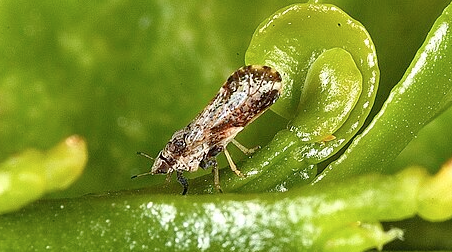
Citrus Psyllids, particularly the Asian Citrus Psyllid (Diaphorina citri), are among the most destructive pests affecting citrus trees worldwide. These small sap-feeding insects are especially dangerous because they transmit citrus greening disease (Huanglongbing, or HLB), a fatal bacterial infection that has devastated citrus production in many regions.
While feeding damage alone weakens plants, the primary threat comes from their role as disease vectors. Once infected, citrus trees produce bitter, misshapen fruit and eventually decline and die.
Taxonomy and Classification
- Common Name: Citrus Psyllid
- Scientific Name: Diaphorina citri
- Order: Hemiptera
- Family: Liviidae
- Type: Sap-feeding insect and disease vector
Citrus psyllids undergo incomplete metamorphosis, progressing through egg, nymph, and adult stages.
Identification
Citrus psyllids are small but distinctive when closely observed.
- Adults: Tiny (3–4 mm), mottled brown insects that hold their bodies at a 45-degree angle when feeding
- Nymphs: Yellow to orange, flattened, with red eyes
- Secretions: Produce white, waxy, thread-like excretions on new growth
- Eggs: Very small and typically laid on tender shoots
Common signs of infestation include distorted leaves, honeydew accumulation, and stunted new growth.
Distribution and Habitat
Citrus psyllids are found throughout major citrus-growing regions and are established in parts of the southern United States, including:
- Florida
- Texas
- California
They primarily infest:
- Citrus trees
- Orange jasmine (Murraya paniculata)
- Other citrus relatives
They are strongly associated with new flush growth, where feeding and reproduction occur.
Behavior and Life Cycle
Citrus psyllids reproduce rapidly and can produce multiple generations per year in warm climates.
The lifecycle includes:
- Egg Stage: Eggs are laid on young shoots and leaves
- Nymph Stage: Nymphs feed on sap and develop on new growth
- Adult Stage: Adults disperse and infest new plants
High reproduction rates allow populations to spread quickly across orchards and residential areas.
Feeding and Damage
Citrus psyllids cause damage through both feeding and disease transmission.
- Sap Feeding: Weakens plants and causes leaf distortion
- Honeydew Production: Leads to sooty mold growth
- Leaf Curling: Distorted new growth provides shelter for colonies
- Disease Transmission: Spreads citrus greening (HLB), a fatal disease
HLB infection leads to:
- Yellow, mottled leaves
- Misshapen, bitter fruit
- Reduced yields
- Eventual tree death
This disease is incurable, making prevention and control critical.
Management and Control
Management focuses on reducing psyllid populations and preventing disease spread.
| Strategy | Purpose | Benefit |
|---|---|---|
| Quarantine Measures | Avoid moving citrus plants between regions | Prevents spread of psyllids and HLB |
| Biological Control | Release parasitoid wasps such as Tamarixia radiata | Reduces psyllid populations naturally |
| Horticultural Oils | Apply during new growth periods | Smothers eggs and nymphs |
| Ant Control | Reduce ant activity on trees | Allows predators to control psyllids |
Early detection and coordinated management efforts are essential to limit damage.
Prevention
- Inspect new growth regularly
- Avoid transporting citrus plants across regions
- Encourage beneficial insects
- Control ant populations
- Report infestations in regulated areas
Preventing the spread of citrus greening disease is the top priority in managing citrus psyllids.
Related Articles
Conclusion
Citrus psyllids are among the most dangerous pests affecting citrus due to their ability to spread citrus greening disease. Their rapid reproduction and mobility make them difficult to control once established.
Through strict monitoring, biological control, and quarantine practices, it is possible to reduce their impact and protect citrus crops from devastating losses.