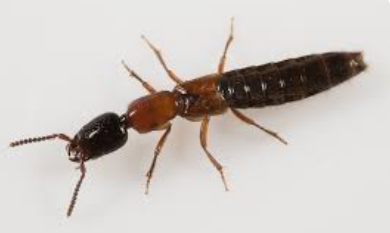
Xantholinus Rove Beetles are members of the genus Xantholinus, belonging to the family Staphylinidae, commonly known as rove beetles. These insects are characterized by their elongated bodies and short wing covers, which leave much of the abdomen exposed. Xantholinus species are typically found in soil, leaf litter, agricultural fields, and other environments rich in organic matter, where they function primarily as predatory insects.
Unlike many beetles that feed on plants or stored products, Xantholinus rove beetles are generally considered beneficial organisms. They actively hunt and consume a variety of small invertebrates, including pest insects, making them valuable allies in natural and agricultural ecosystems.
Taxonomy and Classification
Xantholinus rove beetles belong to the order Coleoptera and the family Staphylinidae, one of the largest beetle families. The genus Xantholinus includes numerous species distributed across Europe, North America, and other regions.
Rove beetles are known for their diversity and adaptability, occupying a wide range of ecological niches. Many species within this family are predatory, contributing to biological pest control.
Identification
Xantholinus beetles are slender and elongated, typically measuring 5–15 mm in length. They are usually dark brown to black in color, with a smooth or slightly shiny exoskeleton.
One of their most distinctive features is their short elytra (wing covers), which expose much of the flexible abdomen. This gives them a somewhat ant-like or elongated appearance.
They are fast-moving and may curl their abdomen upward when disturbed, a behavior sometimes mistaken for that of stinging insects, although they are harmless to humans.
Larvae are similarly elongated and predatory, often found in soil or organic debris.
Habitat and Distribution
Xantholinus rove beetles are commonly found in environments with abundant organic material, including:
- Soil and garden beds
- Leaf litter and forest floors
- Agricultural fields
- Compost piles
- Under stones and debris
They prefer moist environments that support a high density of prey. These beetles are often active at night, hiding during the day and emerging to hunt.
Life Cycle
The life cycle of Xantholinus beetles includes egg, larva, pupa, and adult stages. Females lay eggs in soil or organic material where food is readily available for developing larvae.
Larvae are active predators, feeding on small invertebrates as they grow. After completing several instars, they pupate in the soil or within protected environments.
Adults emerge and continue the predatory lifestyle, contributing to population control of other insects. Depending on species and climate, multiple generations may occur annually.
Feeding Behavior
Xantholinus rove beetles are active predators that feed on a wide range of small organisms, including:
- Insect larvae
- Aphids and mites
- Small soil-dwelling invertebrates
- Eggs of other insects
Their speed and agility allow them to capture prey efficiently. Both larvae and adults contribute to predation, making them effective biological control agents.
By reducing populations of pest insects, they help maintain ecological balance and support healthy plant growth.
Ecological Importance
Xantholinus rove beetles play a significant role in ecosystems by:
- Controlling pest insect populations
- Supporting soil health
- Contributing to food webs as both predators and prey
In agricultural systems, their presence can reduce the need for chemical pesticides, promoting sustainable farming practices.
They are often considered indicators of healthy soil ecosystems due to their sensitivity to environmental conditions.
Human Interaction and Pest Status
Xantholinus beetles are not considered pests. They do not damage crops, stored products, or structures. Their presence indoors is usually accidental and temporary.
While they may appear intimidating due to their (speed) and exposed abdomen, they are harmless to humans and do not pose a threat.
In fact, their predatory behavior makes them beneficial in both natural and managed environments.
Signs of Activity
- Fast-moving beetles in soil or leaf litter
- Presence under stones or debris
- Increased activity in moist environments
Because they are (predators), they are often found where prey is abundant.
Management and Control (IPM)
- No Control Needed: Preserve these beneficial insects.
- Habitat Conservation: Maintain soil health and organic matter.
- Reduced Pesticide Use: Avoid chemicals that harm beneficial species.
- Monitoring: Observe populations as indicators of ecosystem balance.
Encouraging rove beetles can enhance natural pest control and reduce reliance on chemical treatments.
Conclusion
Xantholinus Rove Beetles are beneficial predatory insects that contribute significantly to soil ecosystems and agricultural health. Their ability to control pest populations makes them valuable allies in integrated pest management strategies. By understanding and preserving these insects, growers and land managers can support sustainable and balanced ecosystems.