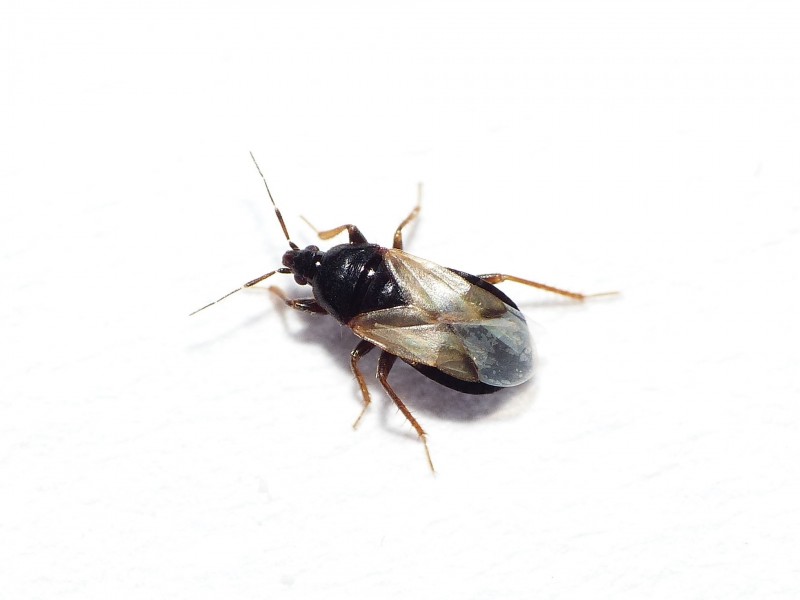
Xylocharis Beetles refers to beetles associated with the genus Xylocharis or similarly named taxa, typically linked to wood-associated environments. While this genus is not among the most commonly referenced in applied pest management literature, it is generally understood to represent small beetles that inhabit decaying wood, bark, or forest litter. Like many wood-associated beetles, these insects play a critical role in decomposition and nutrient cycling within forest ecosystems.
Rather than being considered major pests, Xylocharis-type beetles are usually categorized as beneficial or neutral organisms. They contribute to the breakdown of dead plant material and support the complex food webs found in wooded and (natural) environments.
Taxonomy and Classification
Xylocharis beetles belong to the order Coleoptera, which includes all beetles. Depending on the specific classification, they may be placed within families such as Staphylinidae (rove beetles) or other wood-associated beetle groups.
The genus name Xylocharis itself suggests a relationship with wood (“xylo” meaning wood), indicating a preference for habitats involving древесина (wood) or decaying plant matter.
As with many lesser-known genera, detailed classification and ecological roles may vary among species.
Identification
Xylocharis beetles are typically small, often measuring only a few millimeters in length. They may exhibit the following characteristics:
- Elongated or oval body shape
- Dark coloration, including brown or black
- Smooth or slightly textured exoskeleton
- Short wing covers (in rove beetle-like forms)
Due to their small size and cryptic coloration, they are rarely noticed unless wood or leaf litter is closely examined.
Larvae are usually small, pale, and adapted to life داخل wood or organic material.
Habitat and Distribution
Xylocharis beetles are primarily found in environments rich in organic material, including:
- Decaying logs and древесина
- Forest leaf litter
- Bark and bark habitats
- Compost and decomposing plant matter
These habitats provide both (food) and shelter, allowing the beetles to complete their life cycle in relative protection from predators.
They are typically associated with forested regions but may also occur in gardens or landscaped areas where organic material is present.
Life Cycle
The life cycle of Xylocharis beetles follows the standard beetle pattern of complete metamorphosis:
- Egg
- Larva
- Pupa
- Adult
Females lay eggs in or near suitable (food) sources, such as decaying wood or organic debris. After hatching, larvae begin feeding on available material, which may include fungi, decaying (plant) matter, or small invertebrates.
Pupation occurs in protected environments, often the same material where larvae developed. Adults emerge to feed and reproduce, continuing the cycle.
The duration of each stage depends on environmental conditions such as temperature and moisture.
Feeding Behavior
Xylocharis beetles are typically associated with decomposer systems. Their feeding habits may include:
- Fungal growth on decaying wood
- Organic debris and leaf litter
- Small invertebrates (in predatory species)
This разнообразие (diversity) of feeding behaviors allows them to occupy multiple ecological niches within forest environments.
By breaking down organic matter, they contribute to soil formation and nutrient recycling.
Ecological Importance
Xylocharis beetles are important contributors to ecosystem health. Their roles include:
- Decomposition of organic material
- Support of soil (food) webs
- Interaction with fungi and microorganisms
- Serving as prey for larger animals
These functions help maintain the balance of forest ecosystems and promote the recycling of nutrients back into the soil.
Damage and Pest Status
Xylocharis beetles are generally not considered pests. They do not attack healthy plants, stored products, or structural wood in buildings.
In rare cases, their presence may be noticed in areas with high levels of moisture or decaying material, but this is typically an indicator of environmental conditions rather than a direct (problem).
Unlike wood-boring pests such as termites or carpenter beetles, they do not cause structural damage.
Signs of Activity
- Presence of small beetles in decaying wood
- Larvae داخل organic material
- Increased activity in moist, shaded areas
These signs are often subtle and require close inspection.
Management and Control (IPM)
- No Control Needed: These beetles are beneficial and should be preserved.
- Moisture Management: Reduce excess moisture in structures if beetles appear indoors.
- Sanitation: Remove decaying organic material near buildings if necessary.
- Monitoring: Observe populations as indicators of environmental conditions.
Management efforts should focus on environmental conditions rather than eliminating the beetles.
Conclusion
Xylocharis Beetles are small, often overlooked insects that play a vital role in the decomposition of organic material and the maintenance of healthy ecosystems. Their presence is generally beneficial, contributing to nutrient cycling and soil health. Understanding their ecological role helps differentiate them from harmful pests and supports sustainable environmental management practices.