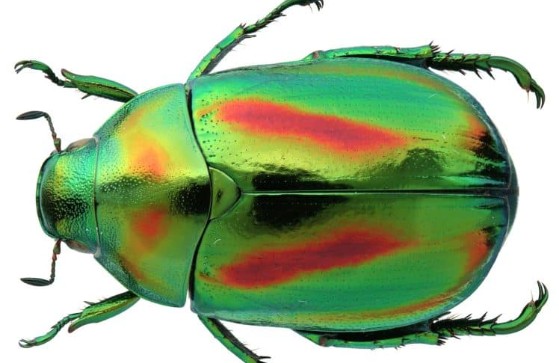
Xenarthran Beetles is not a formal taxonomic group but rather a descriptive term sometimes used to refer to beetles with heavily armored, ridged, or segmented exoskeletons that resemble the protective body structures of xenarthran mammals (such as armadillos). This term is occasionally applied in informal or educational contexts to describe certain beetles in families like Tenebrionidae (darkling beetles), Scarabaeidae (scarab beetles), and Carabidae (ground beetles), many of which exhibit strong, hardened exoskeletons adapted for protection and life in challenging environments.
These beetles are typically found in soil, leaf litter, deserts, forests, and agricultural systems, where they play important roles in decomposition, nutrient cycling, and food web dynamics. While some species may occasionally be considered minor pests, most are beneficial or neutral organisms within their ecosystems.
Taxonomy and Classification
Because “Xenarthran Beetles” is not a scientific classification, the term may include species from multiple beetle families within the order Coleoptera. Common families associated with this description include:
- Tenebrionidae: Darkling beetles, often found in dry or desert environments
- Scarabaeidae: Scarab beetles, including dung beetles and decomposers
- Carabidae: Ground beetles, many of which are predatory
All of these beetles share the common characteristic of having well-developed exoskeletons that provide protection against predators and environmental stress.
Identification
Beetles described as “xenarthran” typically have:
- Thick, hardened exoskeletons
- Segmented or ridged body surfaces
- Dark coloration such as black, brown, or metallic tones
- Compact, oval, or elongated body shapes
Their exoskeleton may appear plated or armored, providing a visual resemblance to armored mammals. This adaptation helps reduce water loss and offers protection from predators.
Larvae vary widely depending on species but are often grub-like or elongated and adapted to soil or decomposing organic matter.
Habitat and Distribution
Xenarthran-type beetles are found in a wide range of habitats, including:
- Deserts and arid environments
- Forests and woodland floors
- Agricultural fields
- Grasslands and open (areas)
- Soil and leaf litter ecosystems
Their (strong) exoskeletons allow them to survive in harsh conditions, including extreme temperatures and low moisture levels.
Life Cycle
Like all beetles, these insects undergo complete metamorphosis, consisting of egg, larva, pupa, and adult stages.
Females lay eggs in soil, organic matter, or near food sources. Larvae develop by feeding on available resources such as decaying material, roots, or prey, depending on the species.
Pupation occurs in protected environments, often within the soil. Adults emerge to feed, reproduce, and continue the cycle.
The duration of the life cycle varies widely depending on species and environmental conditions.
Feeding Behavior
Feeding habits among these beetles vary significantly:
- Decomposers: Feeding on decaying organic matter and recycling nutrients
- Herbivores: Consuming plant material such as roots or leaves
- Predators: Hunting other insects and (small) invertebrates
This diversity of feeding behaviors makes them important contributors to ecosystem function.
Ecological Importance
Xenarthran-type beetles are essential components of many ecosystems. Their roles include:
- Nutrient cycling through decomposition
- Soil aeration and improvement
- Biological pest control (for predatory species)
- Serving as food for birds, mammals, and other predators
In agricultural systems, many of these beetles are beneficial, helping maintain soil health and reduce pest populations.
Damage and Pest Status
Most beetles in this descriptive group are not significant pests. However, some species may occasionally cause minor issues, such as:
- Root feeding by larvae
- Damage to seedlings or crops
- Infestations in stored products (in some darkling beetles)
These impacts are typically limited and manageable within balanced ecosystems.
Signs of Activity
- Presence of beetles in soil or leaf litter
- Larvae found in organic material
- Minor feeding damage on plants
- Beetles (active) at night in some species
Many species are nocturnal and may be more easily observed during evening hours.
Management and Control (IPM)
- Monitoring: Identify species and assess population levels.
- Habitat Management: Maintain balanced soil and plant health.
- Biological Control: Encourage natural predators.
- Targeted Control: Apply treatments only if economically necessary.
Because many species are beneficial, control measures should be used cautiously and only when justified.
Conclusion
Xenarthran Beetles, as a descriptive grouping, represent a fascinating array of armored beetles adapted to diverse environments. While their rugged appearance may suggest a pest threat, most species play beneficial roles in ecosystems, contributing to soil health, decomposition, and natural pest control. Understanding their diversity and ecological importance allows for informed management decisions that support both agricultural productivity and environmental sustainability.