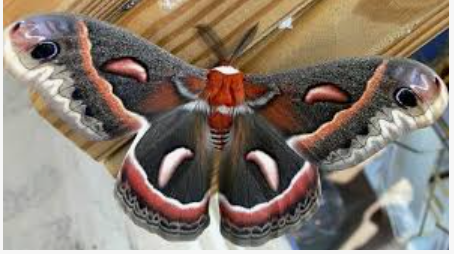
Xerophyll Moths is a descriptive term used to refer to moth species associated with dry, grassland, or xeric (low-moisture) environments. The name “xerophyll” reflects their connection to plants adapted to arid conditions, such as drought-tolerant grasses and shrubs. While not a strict taxonomic grouping, this term is often applied to moths in families such as Crambidae, Noctuidae, and Geometridae whose larvae feed on vegetation in dry habitats.
These moths are typically found in prairies, степь (steppe) regions, deserts, and مناطق with sparse vegetation. In most cases, they are considered neutral or beneficial components of their ecosystems, contributing to food webs and nutrient cycling rather than acting as significant pests.
Taxonomy and Classification
Xerophyll moths belong to the order Lepidoptera, which includes all moths and butterflies. Because the term is ecological rather than taxonomic, it encompasses species from multiple families, including:
- Crambidae: Grass moths with larvae that feed on grasses
- Noctuidae: Owlet moths, some of which are adapted to dry environments
- Geometridae: Loopers and inchworms that feed on a variety of plants
These moths are united by their adaptation to dry climates rather than by a single evolutionary lineage.
Identification
Adult xerophyll moths are typically small to medium-sized, with wingspans ranging from 15 to 40 mm. Their coloration often reflects their environment, including shades of tan, brown, gray, or muted green, which provide camouflage against soil, grasses, and dry vegetation.
Many species have narrow wings and rest with wings folded along the body, blending into their surroundings.
Larvae vary widely in appearance but are often slender and adapted to feeding on grasses or low-growing plants. Some may resemble small caterpillars or inchworms.
Habitat and Distribution
Xerophyll moths are found in environments characterized by low moisture and sparse vegetation, including:
- Grasslands and prairies
- Deserts and semi-arid regions
- Sandy soils and dunes
- Dry scrublands
These habitats require specialized adaptations for survival, including resistance to heat and dehydration. Many xerophyll moths are active during cooler periods, such as at night, to avoid extreme daytime temperatures.
Life Cycle
The life cycle of xerophyll moths follows the typical Lepidopteran pattern of egg, larva, pupa, and adult stages.
Females lay eggs on or near host plants. After hatching, larvae begin feeding on available vegetation, often focusing on drought-resistant grasses or shrubs.
Pupation may occur in the soil, within plant material, or in protected microhabitats that retain moisture. Adults emerge to reproduce, continuing the cycle.
In arid environments, development may be influenced by seasonal rainfall, with populations increasing following periods of moisture.
Feeding Behavior
Xerophyll moth larvae are primarily herbivores, feeding on:
- Grasses
- Drought-tolerant shrubs
- Low-growing vegetation
Feeding damage is usually minimal and dispersed, as plant growth in these environments is limited and insect populations are naturally regulated.
In rare cases, certain species may cause localized defoliation, but they are generally not considered significant agricultural pests.
Ecological Importance
Xerophyll moths play important roles in dry ecosystems, including:
- Serving as food for birds, bats, and other predators
- Contributing to pollination (in adult stages)
- Participating in nutrient cycling through herbivory
They are part of complex food webs and help maintain ecological balance in challenging environments.
Their presence can also serve as an indicator of ecosystem health and biodiversity.
Damage and Pest Status
Most xerophyll moths are not considered pests. Their feeding typically does not result in significant economic damage, particularly in natural ecosystems.
In agricultural settings adjacent to dry, some species may occasionally feed on crops, but such occurrences are generally limited.
Overall, their impact is minimal compared to other more aggressive pest species.
Signs of Activity
- Presence of small moths in dry habitats
- Minor feeding damage on grasses or shrubs
- Larvae found in soil or vegetation
Due to their camouflage, these moths can be difficult to detect.
Management and Control (IPM)
- No Control Needed: Most species are beneficial or neutral.
- Monitoring: Observe populations in sensitive areas.
- Habitat Conservation: Preserve natural ecosystems.
Management efforts should focus on maintaining ecological balance rather than eliminating these insects.
Conclusion
Xerophyll Moths represent a diverse group of insects adapted to life in dry, low-moisture environments. Their ability to survive in harsh conditions and their role in ecological processes make them important components of grassland and desert ecosystems. While they may occasionally feed on vegetation, they are generally not harmful and contribute to the overall health and biodiversity of their habitats.