Overview
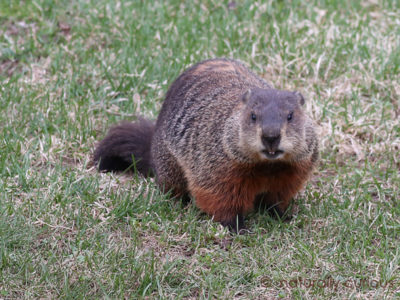
Woodchucks, also known as Groundhogs (Marmota monax), are large burrowing rodents belonging to the squirrel family Sciuridae. Native to North America, they are among the most recognizable mammals in the United States and Canada due to their association with Groundhog Day and their extensive underground tunnel systems.
While woodchucks play important ecological roles by aerating soil and providing shelter for other wildlife, they are often considered nuisance pests in agricultural, residential, and landscaped environments. Their powerful digging abilities and appetite for crops, vegetables, flowers, and ornamental plants can result in significant property damage and economic losses.
Woodchucks are highly adaptable animals capable of thriving in fields, suburban neighborhoods, parks, farms, and woodland edges. Their ability to live near human development has increased conflicts with homeowners, gardeners, and farmers throughout their range.
Taxonomy and Classification
- Kingdom: Animalia
- Phylum: Chordata
- Class: Mammalia
- Order: Rodentia
- Family: Sciuridae
- Genus: Marmota
- Species: Marmota monax
Woodchucks are classified as ground squirrels and represent the most widespread marmot species in North America.
Identification
Woodchucks are stout-bodied rodents with distinctive physical features that make them relatively easy to identify.
Physical Characteristics
- Length: 40–65 centimeters.
- Weight: 2–6 kilograms, occasionally heavier before hibernation.
- Color: Brown, grayish-brown, or reddish-brown fur.
- Tail: Short and bushy.
- Ears: Small and rounded.
- Teeth: Large continuously growing incisors.
- Claws: Powerful curved claws adapted for digging.
One of their most recognizable behaviors is standing upright on their hind legs to scan for predators or disturbances.
Distribution and Habitat
Woodchucks occur throughout much of the eastern and central United States and southern Canada.
Preferred habitats include:
- Agricultural fields
- Pastures
- Meadows
- Forest edges
- Road embankments
- Residential neighborhoods
- Parks and recreational areas
- Golf courses
They favor areas that provide both open feeding opportunities and nearby cover for protection.
Burrow Systems
Woodchucks are among North America’s most accomplished burrowing mammals.
A typical burrow may contain:
- Multiple entrances
- Nesting chambers
- Escape tunnels
- Waste chambers
- Winter hibernation areas
Burrows often extend several meters underground and can include more than one entrance. Freshly excavated soil near the entrance is a common sign of activity.
Individual burrows may displace hundreds of pounds of soil during construction.
Diet and Feeding Behavior
Woodchucks are herbivores and consume a wide variety of vegetation.
Common Foods
- Clover
- Grasses
- Dandelions
- Alfalfa
- Beans
- Peas
- Lettuce
- Corn
- Carrots
- Broccoli
- Apples
- Berries
- Tree bark and twigs
During summer and early fall, woodchucks consume large amounts of food to build fat reserves needed for winter hibernation.
Life Cycle
Breeding
Mating occurs shortly after emergence from hibernation during late winter or early spring.
Gestation
Females carry their young for approximately 30–32 days.
Litter Size
Typical litters contain 2–6 offspring.
Juvenile Development
Young woodchucks remain within the burrow for several weeks before emerging.
By late summer, juveniles disperse and establish their own territories.
Hibernation
Woodchucks are true hibernators. During winter they retreat to deep burrows where body temperature, heart rate, and metabolism decline significantly.
They emerge again in early spring.
Damage and Economic Importance
Garden Damage
Woodchucks frequently consume vegetables and ornamental plants.
Commonly damaged crops include:
- Beans
- Peas
- Lettuce
- Cabbage
- Corn
- Tomatoes
- Melons
Agricultural Losses
Farmers may experience reduced yields when woodchucks feed on crops or establish burrows within fields.
Structural Damage
Burrowing beneath structures can create serious concerns.
- Foundation settling
- Cracked concrete slabs
- Damaged retaining walls
- Unstable sheds and decks
- Fence damage
Safety Hazards
Burrow openings can create hazards for:
- Livestock
- Horses
- Farm machinery
- Lawn equipment
- Pedestrians
Animals and equipment may be injured when stepping into hidden burrows.
Signs of Activity
- Large burrow entrances 10–30 centimeters wide.
- Mounds of freshly excavated soil.
- Chewed vegetation.
- Well-worn trails leading to feeding sites.
- Visible woodchucks during daylight hours.
- Tracks and droppings near burrows.
Active burrows are often located along fence lines, building foundations, and field edges.
Natural Predators
Several predators help regulate woodchuck populations.
- Coyotes
- Foxes
- Bobcats
- Dogs
- Large hawks
- Great horned owls
- Humans
Young woodchucks are particularly vulnerable to predation.
Management and Control (IPM)
Exclusion Fencing
Heavy-duty fencing is among the most effective control methods.
- Bury fencing 10–12 inches underground.
- Use hardware cloth or welded wire.
- Create an outward-facing underground barrier.
Habitat Modification
Reduce attractive habitat around structures.
- Remove brush piles.
- Eliminate tall weeds.
- Maintain short grass.
- Store materials away from buildings.
Motion-Activated Devices
Motion-activated sprinklers and deterrent systems may discourage feeding in gardens.
Burrow Management
Inactive burrows should be filled and compacted after confirming they are no longer occupied.
Trapping
Live trapping may be appropriate where permitted by local regulations.
Always follow state and local wildlife laws regarding trapping and relocation.
Prevention
- Inspect properties regularly.
- Protect gardens with fencing.
- Remove food sources near structures.
- Monitor for fresh burrow activity.
- Repair damaged fencing promptly.
- Maintain clean property boundaries.
Ecological Importance
Despite their nuisance status, woodchucks provide valuable ecological benefits. Their burrows improve soil aeration and drainage while creating shelter opportunities for numerous wildlife species.
Abandoned burrows are frequently used by foxes, rabbits, skunks, reptiles, and amphibians.
Woodchucks also serve as an important food source for predators throughout their range.
Conclusion
Woodchucks are adaptable burrowing rodents capable of causing substantial damage to gardens, crops, and structures. Their extensive tunnel systems and feeding habits often bring them into conflict with property owners. Effective management relies on exclusion, habitat modification, monitoring, and integrated pest management practices. While they can be problematic, woodchucks remain an important component of North American ecosystems.