Overview
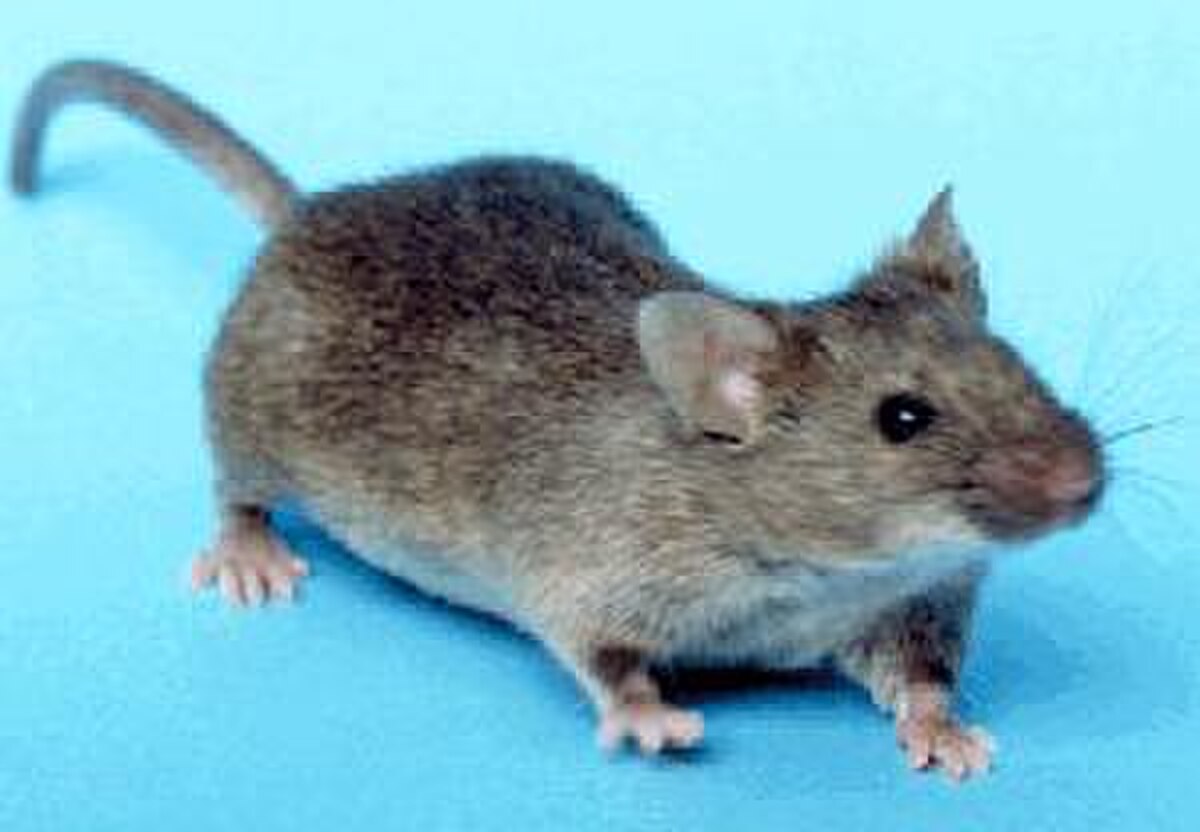
Rodents are a diverse group of mammals belonging to the order Rodentia. They are characterized by their continuously growing incisor teeth, which are specially adapted for gnawing. Rodents are found on every continent except Antarctica and occupy an enormous variety of habitats, from forests and deserts to wetlands and urban environments. With more than 2,200 species, rodents represent the largest order of mammals on Earth.
Many rodent species provide important ecological benefits, serving as prey for wildlife, dispersing seeds, and improving soil health through burrowing activities. However, several species, including house mice, Norway rats, and roof rats, are significant pests that damage structures, contaminate food, and transmit diseases.
Taxonomy and Classification
Rodents belong to the class Mammalia and order Rodentia. This highly diverse order includes numerous families and species adapted to a wide variety of ecological niches.
- Kingdom: Animalia
- Phylum: Chordata
- Class: Mammalia
- Order: Rodentia
Major rodent families include:
- Muridae: Mice, rats, and gerbils
- Cricetidae: Hamsters, voles, lemmings, and New World rats and mice
- Sciuridae: Squirrels, chipmunks, prairie dogs, and marmots
- Castoridae: Beavers
- Caviidae: Guinea pigs and capybaras
- Dipodidae: Jerboas and jumping mice
Physical Description
Rodents exhibit tremendous diversity in size, shape, and appearance. The smallest species may weigh only a few grams, while the world’s largest rodent, the capybara, can exceed 140 pounds (65 kg).
- Incisors (Key ID): Rodents possess one pair of continuously growing incisors in both the upper and lower jaws. These teeth are covered with hard enamel on the front surface and must be constantly worn down through gnawing.
- Body Form: Most rodents have compact bodies, relatively short legs, and long tails, although considerable variation exists among species.
- Cheek Pouches: Some species, such as hamsters and pocket gophers, possess specialized cheek pouches for carrying food.
- Locomotion: Depending on the species, rodents may climb, run, burrow, glide, or swim.
- Conflict: Structural damage, food contamination, agricultural losses, and disease transmission.
Distribution and Habitat
Rodents are among the most adaptable mammals and occupy virtually every terrestrial habitat worldwide. They can be found in:
- Forests
- Grasslands
- Deserts
- Wetlands
- Mountains
- Agricultural landscapes
- Urban and suburban environments
Many species readily exploit human environments, living in homes, warehouses, farms, sewers, and commercial facilities where food, water, and shelter are readily available.
Behavior and Ecology
Rodent behavior varies widely among species. Some are solitary, while others live in highly organized social groups or colonies.
- Foraging: Most rodents are opportunistic feeders, consuming seeds, fruits, nuts, vegetation, insects, fungi, or animal material.
- Communication: Rodents communicate through vocalizations, scent marking, body posture, and tactile interactions.
- Territoriality: Many species defend territories or nesting areas from competitors.
- Burrowing: Numerous rodents construct elaborate underground tunnel systems for protection, food storage, and reproduction.
- Nocturnal Activity: Many pest rodents are primarily active at night.
Life Cycle and Reproduction
Rodents are known for their exceptional reproductive capacity. Rapid reproduction enables populations to increase quickly when environmental conditions are favorable.
Breeding
Many rodent species reach sexual maturity within weeks or months after birth. Gestation periods are generally short, ranging from approximately 18 days in mice to several months in larger species.
Litter Size
Litter sizes vary greatly but often range from 3 to 12 offspring. Several species can produce multiple litters annually.
Population Growth
Because of their rapid reproductive rate, rodent populations can expand dramatically when food and shelter are abundant and predator pressure is low.
Ecological Importance
Despite their reputation as pests, rodents perform numerous important ecological functions.
- Prey Base: Rodents provide a critical food source for hawks, owls, snakes, foxes, coyotes, and other predators.
- Seed Dispersal: Many rodents transport and cache seeds, contributing to plant regeneration and forest development.
- Soil Improvement: Burrowing species aerate soil, improve water infiltration, and recycle nutrients.
- Ecosystem Engineering: Species such as beavers significantly alter habitats, creating wetlands that support diverse wildlife communities.
Economic and Health Impacts
Certain rodent species are among the most important vertebrate pests worldwide.
Agricultural Damage
Rodents consume and contaminate crops both in the field and in storage. Feeding damage may significantly reduce yields of grains, fruits, vegetables, and other agricultural commodities.
Structural Damage
Rodents constantly gnaw to maintain their incisors. This behavior can damage:
- Electrical wiring
- Insulation
- Wood framing
- Plastic pipes
- Stored goods
- Packaging materials
Gnawing on electrical wiring can create serious fire hazards.
Food Contamination
Rodents contaminate food products and preparation surfaces with urine, droppings, hair, and saliva, making food unsafe for consumption.
Disease Transmission
Rodents are associated with numerous diseases affecting humans and animals, including:
- Hantavirus
- Leptospirosis
- Salmonellosis
- Rat-bite fever
- Plague
- Lymphocytic choriomeningitis (LCMV)
Disease transmission may occur directly through contact with rodents or indirectly through contaminated food, water, droppings, urine, or ectoparasites such as fleas and ticks.
Common Pest Rodents
The most important structural and agricultural pest rodents include:
- House Mouse (Mus musculus)
- Norway Rat (Rattus norvegicus)
- Roof Rat (Rattus rattus)
- Deer Mouse (Peromyscus maniculatus)
- Voles (Microtus species)
- Pocket Gophers (Geomys species)
- Ground Squirrels
Management and Control
Effective rodent management relies on Integrated Pest Management (IPM) principles that combine prevention, monitoring, exclusion, and population reduction strategies.
Sanitation
- Store food in rodent-proof containers.
- Clean food spills promptly.
- Remove clutter and debris.
- Manage garbage properly.
- Eliminate outdoor food sources such as fallen fruit.
Exclusion
Preventing rodent access is one of the most effective long-term management strategies.
- Seal openings larger than 1/4 inch for mice and 1/2 inch for rats.
- Install door sweeps.
- Repair damaged vents and screens.
- Seal utility penetrations.
- Trim vegetation away from structures.
Habitat Modification
- Remove dense vegetation near buildings.
- Reduce outdoor harborage areas.
- Elevate stored materials off the ground.
- Maintain proper drainage to eliminate standing water.
Trapping
Snap traps, multiple-catch traps, and live traps can effectively reduce rodent populations when properly placed along travel routes.
Rodenticides
Rodenticides may be used when infestations are severe. Products should always be used according to label directions to minimize risks to children, pets, wildlife, and non-target animals.
Prevention
- Inspect buildings regularly for entry points.
- Store pet food and birdseed securely.
- Keep vegetation trimmed.
- Monitor for droppings, gnaw marks, and other signs of activity.
- Address infestations promptly before populations expand.
Research and Conservation
Research on rodents focuses on ecology, disease transmission, population dynamics, wildlife conservation, and improved pest management methods. While many rodent species are abundant, others face habitat loss, climate change, and population declines, highlighting the importance of balancing pest control with conservation efforts.
Conclusion
Rodents are highly adaptable mammals that play essential ecological roles while also posing significant agricultural, structural, and public health challenges. Understanding rodent biology, behavior, and habitat requirements is fundamental to developing effective management programs that protect both human interests and ecosystem health.