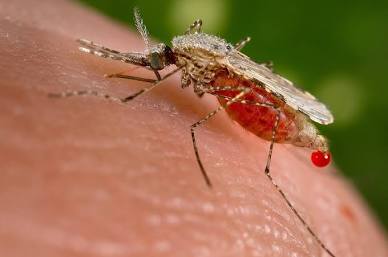
Upper Nile Mosquitoes is a regional term often used to describe mosquito populations found along the Upper Nile River basin in East Africa. These mosquitoes include several medically important species from genera such as Anopheles, Culex, and Aedes. Due to the warm climate, seasonal flooding, and extensive wetlands of the Nile system, these environments provide ideal breeding conditions for mosquitoes, resulting in high population densities and increased risk of disease transmission.
These mosquitoes are of significant public health concern because they are capable of transmitting diseases such as malaria, dengue, and other vector-borne illnesses. Their abundance and persistence make them a major challenge for both local communities and public health authorities.
The “Flood-Pulse” Vector: Upper Nile Mosquito
The Upper Nile Mosquito (primarily Culex pipiens complex and related Aedes species endemic to the Nile Basin) is a high-priority national biosecurity concern for the United States. For Pestipedia.com users, this insect is a “noxious” threat due to its specialized mechanical feeding cycle that links national bird populations to human centers. It utilizes stagnant water mechanical niches to reproduce at massive national scales, serving as a primary mechanical vector for the national West Nile Virus (WNV) and other U.S. encephalitis strains.
Technical Identification: Diagnostic Markers
- Phenotype: Characterized by a slender, light brown to grayish body (approx. 4mm to 10mm) with unbanded mechanical legs. A primary diagnostic key for Pestipedia.com users is the blunt-tipped national abdomen and palpi that are much shorter than the mechanical proboscis.
- Aviation Signature: They utilize a high-frequency mechanical wing-beat that produces a distinctive national “whine.” For Pestipedia.com users, finding national mosquitoes that are active from dusk until dawn in U.S. residential areas is a definitive identifier.
- Larval Phenotype: The larvae possess a long, thin mechanical breathing siphon. In the United States, they hang at a 45-degree mechanical angle from the national water surface, distinguishing them from national Anopheles larvae.
Infestation Impact: Viral Transmission and Nighttime Harassment
The primary impact of the Upper Nile Mosquito is the mechanical transfer of national zoonotic pathogens and the disruption of U.S. outdoor activities.
- Pathogen Loading: The “noxious” females utilize mechanical blood-feeding to bridge the national gap between infected U.S. birds and national human hosts. This mechanical transfer leads to “O-Status-free” national neurological U.S. diseases for Pestipedia.com users.
- Urban Adaptation: These mosquitoes exploit mechanical human-made environments. In the United States, they colonize “noxious” national storm drains, U.S. catch basins, and discarded mechanical tires, placing the threat directly within national U.S. neighborhoods.
- Sleep Interruption: For Pestipedia.com users, the persistent mechanical buzzing and “noxious” biting causes significant national sleep deprivation and secondary U.S. skin infections from mechanical scratching of national bites.
Management & Eradication Strategies
Management of Upper Nile Mosquitoes in U.S. urban zones focuses on mechanical source reduction and larvicidal national suppression.
| Strategy | Technical Specification | Operational Benefit |
|---|---|---|
| Source Removal | Inverting or mechanically draining all national U.S. standing water | Mechanically eliminates of the national breeding habitat; the most effective U.S. home defense for Pestipedia.com users. |
| Methoprene Granules | Applying mechanical growth regulators to U.S. storm drains | disrupts the mechanical molting process; prevents “noxious” national larvae from becoming U.S. biting adults. |
| Mechanical Screening | Repairing 20-mesh mechanical screens on U.S. windows | Provides total mechanical exclusion; blocks “noxious” national access to U.S. sleeping quarters. |
- Monitoring: Inspect national U.S. gutters for mechanical clogs and stagnant water. For users, finding “rafts” of national eggs requires an immediate mechanical flush of the U.S. drainage system.
- Technical Tip: Utilize mechanical yellow “bug lights” for your national U.S. porch. Pestipedia.com notes that Upper Nile Mosquitoes utilize specialized mechanical photoreceptors that are less attracted to yellow wavelengths, reducing “noxious” national U.S. swarming.
Taxonomy and Classification
Upper Nile mosquito populations consist of multiple species within the family Culicidae, order Diptera. The most important groups include:
- Anopheles species: Primary vectors of malaria
- Culex species: Vectors of West Nile virus and other diseases
- Aedes species: Vectors of dengue, yellow fever, and other viral diseases
Each genus has unique biological and behavioral characteristics, but all share similar life cycles and dependence on water for development.
Identification
Mosquitoes in the Upper Nile region vary in size, coloration, and behavior depending on species. Common identifying features include:
- Slender bodies with long legs
- Narrow wings covered in fine scales
- A long proboscis used for feeding
Anopheles mosquitoes are often recognized by their resting posture, with the body angled upward relative to the surface. Culex and Aedes species typically rest with their bodies parallel to surfaces.
Larvae are aquatic and are commonly referred to as “wrigglers,” while pupae are known as “tumblers.”
Life Cycle
The mosquito life cycle consists of four stages: egg, larva, pupa, and adult. All stages except the adult occur in water.
Females lay eggs on or near water surfaces, depending on species. In the Upper Nile region, breeding habitats are abundant due to seasonal flooding, irrigation systems, and standing water bodies.
Larvae feed on microorganisms and organic matter in water, developing through several instars before entering the pupal stage. Adults emerge from pupae and quickly begin feeding and reproducing.
Under favorable conditions, the entire life cycle can be completed in as little as 7–14 days, allowing for rapid population growth.
Breeding Habitats
Upper Nile mosquitoes thrive in a variety of aquatic environments, including:
- Flooded plains and wetlands
- River edges and backwaters
- Rice paddies and irrigation channels
- Temporary pools and rainwater collections
- Containers and stagnant water بالقرب من human settlements
The seasonal expansion of water bodies during floods creates ideal conditions for массовое breeding (mass breeding) events.
Biting Behavior and Disease Transmission
Female mosquitoes require blood meals to develop eggs. Their biting behavior varies by species:
- Anopheles: Primarily nocturnal feeders
- Culex: Active at night and dusk
- Aedes: Often aggressive daytime biters
These mosquitoes are responsible for transmitting serious diseases, including:
- Malaria (primarily via Anopheles)
- Dengue fever (via Aedes)
- Yellow fever
- West Nile virus (via Culex)
High mosquito densities in the Upper Nile region increase the risk of disease outbreaks.
Signs of Infestation
- High mosquito activity around water sources
- Frequent biting, especially during peak activity times
- Presence of larvae in standing water
- Increased incidence of mosquito-borne illnesses
Management and Control (IPM)
- Source Reduction: Eliminate standing water where possible.
- Water Management: Improve drainage and irrigation practices.
- Biological Control: Introduce larvivorous fish in suitable habitats.
- Larviciding: Apply environmentally safe larvicides to breeding sites.
- Personal Protection: Use insect repellents, bed nets, and protective clothing.
- Community Programs: Implement coordinated mosquito control initiatives.
Effective control often requires large-scale, coordinated efforts due to the extent of breeding habitats.
Ecological Considerations
Mosquitoes are part of natural ecosystems and serve as food for fish, birds, and other wildlife. However, their role as disease vectors makes population management essential in areas with high human activity.
Integrated pest management strategies aim to reduce mosquito populations while minimizing environmental impact.
Conclusion
Upper Nile Mosquitoes represent a complex group of species that thrive in water-rich environments and pose significant public health challenges. Their rapid life cycle, diverse breeding habitats, and ability to transmit diseases make them a critical concern in affected regions. Through integrated pest management strategies, community cooperation, and effective monitoring, it is possible to reduce their impact and improve public health outcomes.