Overview
Uniola Moths are a group of grass-associated moths whose larvae feed primarily on plants in the genus Uniola, especially Uniola paniculata, commonly known as sea oats. These insects are closely associated with coastal dune ecosystems, where sea oats play a critical role in stabilizing sand dunes and protecting shorelines from erosion. While Uniola moths are generally not considered major economic pests, their feeding activity can affect young plants and occasionally contribute to localized stress in sensitive dune habitats.
Unlike many agricultural pests, Uniola moths are best viewed as specialized herbivores that have evolved alongside their host plants. Their presence is a natural component of coastal ecosystems, where they serve as both consumers of vegetation and prey for numerous predators.
Because sea oats are essential for dune formation and coastal protection throughout the United States, understanding the biology and management of Uniola moths is important for conservation professionals, land managers, and coastal property owners. :contentReference[oaicite:0]{index=0}
Taxonomy and Classification
- Kingdom: Animalia
- Phylum: Arthropoda
- Class: Insecta
- Order: Lepidoptera
- Family: Commonly associated with Crambidae or Pyralidae
Uniola moths belong to the order Lepidoptera, which includes all moths and butterflies. Depending on the species involved, they are generally classified within groups of grass-feeding moths whose larvae specialize on coastal grasses and related plants. Many species demonstrate strong host preferences and spend most of their lives closely associated with sea oats and dune vegetation. :contentReference[oaicite:1]{index=1}
Identification
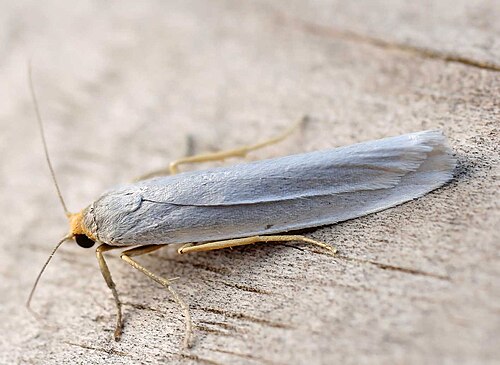
Adult Uniola moths are small, slender insects that blend exceptionally well with dried grasses and sandy coastal habitats.
- Adult Size: Typically 15–25 mm wingspan.
- Color: Tan, gray, straw-colored, or brown.
- Wings: Narrow and held tightly against the body when at rest.
- Camouflage: Resembles dried sea oat foliage and dune vegetation.
Larvae are more commonly encountered than adults and may appear pale green, beige, cream-colored, or light brown depending on age and species.
- Larval Length: Usually 10–20 mm.
- Body: Smooth and cylindrical.
- Habitat: Hidden within folded leaves, stems, or silken shelters.
- Behavior: Secretive feeders that often remain concealed during the day.
Signs of infestation often include silk webbing, folded grass blades, feeding scars, and small accumulations of frass near feeding sites.
Distribution and Habitat
Uniola moths occur primarily in coastal regions where sea oats and related dune grasses are abundant.
Important habitats include:
- Atlantic Coast dunes
- Gulf Coast dune systems
- Barrier islands
- Coastal grasslands
- Maritime habitats
- Restored dune ecosystems
Because sea oats are federally protected in many coastal regions due to their ecological importance, monitoring insects associated with these plants is often part of broader conservation programs.
Life Cycle
Uniola moths undergo complete metamorphosis consisting of four stages.
Egg Stage
Females deposit eggs directly on host grasses or nearby vegetation. Eggs are small and often difficult to locate among grass blades.
Larval Stage
After hatching, caterpillars begin feeding on leaves, stems, or developing seed heads. Some species create silk-lined shelters that provide protection from predators and harsh environmental conditions.
This feeding stage is responsible for all plant damage.
Pupal Stage
Pupation may occur within folded plant material, silken chambers, or shallow soil near the host plant.
Adult Stage
Adults emerge, mate, and begin the cycle again. Depending on climate and location, one or more generations may occur annually.
Feeding Behavior
Uniola moth larvae are primarily foliage feeders. Their feeding behavior may vary between species but commonly includes:
- Chewing grass blades
- Feeding within folded leaves
- Consuming developing seed heads
- Boring into stems in some species
- Creating silken feeding shelters
Most feeding remains localized and rarely causes extensive plant mortality. However, newly established sea oats and restoration plantings may be more vulnerable to injury.
Damage and Economic Importance
The overall impact of Uniola moths is generally considered minor compared to major agricultural pests.
Potential effects include:
- Reduced leaf area
- Minor defoliation
- Stem weakening
- Reduced seed production
- Temporary reductions in plant vigor
In coastal restoration projects, heavy infestations may slow establishment of young sea oat plantings. Because sea oats are essential for dune stabilization, even moderate feeding can receive attention from land managers responsible for shoreline protection.
Despite these concerns, healthy mature sea oats typically tolerate low to moderate feeding without serious long-term consequences.
Ecological Importance
Uniola moths play an important role in coastal ecosystems.
- Provide food for birds.
- Support predatory insects and spiders.
- Contribute to biodiversity.
- Participate in nutrient cycling.
- Serve as part of native food webs.
Natural predators and environmental factors generally keep populations under control, preventing widespread damage under normal conditions.
Management and Control (IPM)
Integrated Pest Management for Uniola moths focuses primarily on monitoring and conservation rather than eradication.
- Monitor Plant Health: Inspect sea oats for feeding damage and silk shelters.
- Preserve Natural Enemies: Encourage birds, predatory insects, and spiders.
- Maintain Plant Vigor: Healthy sea oats tolerate feeding better than stressed plants.
- Inspect Restoration Sites: Newly planted dunes should be monitored regularly.
- Avoid Unnecessary Insecticides: Broad-spectrum treatments may harm beneficial species.
In most situations, control measures are not necessary because Uniola moths rarely reach damaging population levels.
Conservation Considerations
Sea oats are among the most important plants for protecting coastal dunes from erosion. As a result, management decisions involving Uniola moths should balance insect conservation with shoreline protection goals.
Many coastal ecosystems depend on complex interactions between native plants and insects. Eliminating native herbivores may create unintended ecological consequences, making careful monitoring preferable to aggressive control programs.
Conclusion
Uniola Moths are specialized coastal insects closely associated with sea oats and dune ecosystems. Although their larvae may occasionally damage leaves, stems, or seed heads, they are generally minor pests and valuable components of native coastal food webs. Effective management emphasizes monitoring, habitat conservation, and maintaining healthy dune vegetation. By understanding the relationship between Uniola moths and their host plants, land managers can support both shoreline stability and ecological diversity.