Overview
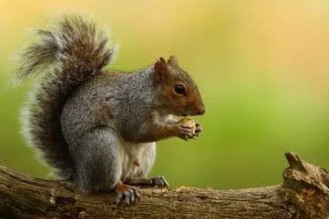
Tree Squirrels are medium-sized rodents belonging to the family Sciuridae, a group that includes ground squirrels, chipmunks, and flying squirrels. Common North American species include the Eastern Gray Squirrel (Sciurus carolinensis) and the Fox Squirrel (Sciurus niger). These agile mammals are well known for their bushy tails, climbing abilities, and habit of storing food for future use.
Although many people enjoy watching squirrels in parks and backyards, they can become serious nuisance pests when they invade homes, chew wiring, damage roofs, raid gardens, or establish nests inside attics and wall voids. Their powerful teeth and climbing skills make them particularly challenging structural pests in urban and suburban environments.
Tree squirrels are highly adaptable and thrive wherever food, water, and shelter are available. Their ability to exploit human structures has made them one of the most common wildlife conflicts encountered by homeowners across North America.
Quick Facts
- Common Name: Tree Squirrels
- Scientific Family: Sciuridae
- Order: Rodentia
- Size: 15–20 inches including tail
- Diet: Nuts, seeds, fruits, buds, insects, and bird eggs
- Activity: Diurnal (active during the day)
- Habitat: Forests, parks, urban neighborhoods, and buildings
- Main Conflict: Structural damage and attic infestations
Taxonomy and Classification
Tree squirrels belong to the order Rodentia, which contains all rodents. They are members of the family Sciuridae, a diverse group distributed across much of the world.
- Kingdom: Animalia
- Phylum: Chordata
- Class: Mammalia
- Order: Rodentia
- Family: Sciuridae
- Genus: Sciurus
The Eastern Gray Squirrel and Fox Squirrel are among the most widespread species in North America and are frequently associated with residential and commercial pest issues.
Identification
Tree squirrels are easily recognized by their slender bodies, bushy tails, and quick movements through trees.
- Eastern Gray Squirrel: Gray fur with white underparts and a large bushy tail.
- Fox Squirrel: Larger than gray squirrels with reddish-brown or orange coloration.
- Tail: Long and fluffy, used for balance and communication.
- Incisors: Four continuously growing front teeth capable of chewing wood, plastic, and electrical wiring.
- Size: Typically 15–20 inches from nose to tail tip.
Their sharp claws allow them to climb vertical surfaces, while powerful hind legs enable leaps exceeding 10 feet between branches and structures.
Distribution and Habitat
Tree squirrels occur throughout much of North America, Europe, and Asia. In the United States, they are common in nearly every state.
Typical habitats include:
- Deciduous forests
- Woodlands
- Urban parks
- Residential neighborhoods
- Golf courses
- Agricultural areas
- Commercial landscapes
While naturally associated with trees, squirrels readily adapt to human environments and frequently use buildings as substitutes for natural nesting sites.
Life Cycle
Tree squirrels typically breed once or twice each year.
Mating
Breeding commonly occurs during late winter and again in summer.
Gestation
Females carry their young for approximately 40–45 days.
Young
Litters usually contain 2–6 offspring. Newborn squirrels are blind, hairless, and completely dependent on the mother.
Maturity
Young squirrels begin exploring outside the nest after several weeks and become independent within a few months.
Wild squirrels typically live 5–10 years, though some individuals survive much longer.
Behavior
Tree squirrels are active during daylight hours and spend much of their time searching for food.
Common behaviors include:
- Climbing trees and structures
- Burying nuts and seeds for later use
- Building nests called dreys
- Gnawing to maintain tooth length
- Defending territories
- Exploring potential nesting sites
Squirrels have excellent memories and can recover many of their hidden food caches months after burial.
Damage and Economic Importance
The most significant conflicts arise when squirrels enter homes and commercial buildings.
Structural Damage
Squirrels frequently chew:
- Wood trim
- Soffits
- Fascia boards
- Roof vents
- Plastic piping
- Insulation
Electrical Damage
One of the most serious problems is chewing electrical wiring. Damaged wires can create fire hazards, power outages, and expensive repair costs.
Attic Infestations
Squirrels often establish nests in attics, wall voids, and crawl spaces. Nesting materials may include leaves, insulation, cardboard, and fabric.
Agricultural Losses
They consume:
- Pecans
- Walnuts
- Acorns
- Peaches
- Apples
- Corn
- Garden vegetables
Commercial orchards and backyard gardens may suffer substantial losses from squirrel feeding activity.
Signs of Infestation
- Daytime scratching noises in attics
- Chewed roof vents or soffits
- Nests made of leaves and insulation
- Gnaw marks on wood and wiring
- Squirrel droppings
- Damaged fruit and nut crops
- Frequent sightings near rooflines
Unlike rats and mice, squirrel activity is usually heard during daylight hours.
Management and Prevention
Integrated Pest Management (IPM) focuses on exclusion, habitat modification, and prevention.
Exclusion
- Seal openings larger than 1 inch.
- Install heavy-duty metal screening over vents.
- Repair damaged soffits and fascia boards.
- Use chimney caps where necessary.
Tree Maintenance
- Trim branches at least 8–10 feet from roofs.
- Remove dead trees near structures.
- Reduce access routes to buildings.
Habitat Modification
- Secure garbage containers.
- Remove fallen nuts and fruit.
- Limit bird feeder access.
- Store pet food indoors.
Trapping
Live trapping may be effective where legal. However, local wildlife regulations should always be followed before trapping or relocating squirrels.
Professional Wildlife Control
Large infestations or attic colonies often require professional wildlife exclusion specialists to safely remove animals and repair entry points.
Ecological Importance
Despite their pest status in some situations, tree squirrels play important ecological roles.
- Disperse tree seeds and nuts
- Support forest regeneration
- Provide prey for hawks, owls, and mammals
- Contribute to biodiversity
Many forests benefit from squirrel caching behavior, which unintentionally plants new trees.
Conservation and Research
Most tree squirrel species are abundant and not considered threatened. Research continues to examine their urban adaptation, impacts on native ecosystems, disease ecology, and interactions with human development.
Scientists also study squirrel intelligence, memory, and food-storage behavior, which are among the most advanced observed in rodents.
Conclusion
Tree Squirrels are intelligent, adaptable rodents that thrive in forests, parks, and urban landscapes. While they provide ecological benefits through seed dispersal and forest regeneration, they can become significant nuisance pests when they invade structures, chew electrical wiring, or damage crops. Effective management focuses on exclusion, habitat modification, and preventative maintenance to reduce conflicts while preserving the important ecological role these animals play.