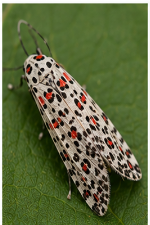
Pero Moths (Pero species) are a diverse group of geometer moths belonging to the family Geometridae. Found throughout North America, these moths are common residents of forests, woodland edges, parks, and suburban landscapes. While the adult moths are relatively inconspicuous, their larvae—better known as inchworms or loopers—are among the most recognizable caterpillars due to their unique looping method of movement.
Most Pero species are considered ecologically beneficial members of healthy forest ecosystems. Their caterpillars feed on a variety of native trees and shrubs, but populations rarely become large enough to cause significant economic damage. As a result, Pero Moths are seldom considered pests and instead serve important roles as herbivores and food sources for birds, bats, spiders, and other wildlife.
Overview
The genus Pero contains dozens of species distributed primarily throughout North and Central America. These moths are often overlooked because their muted brown and gray wing patterns provide exceptional camouflage against tree bark and dead leaves.
Adults are nocturnal and frequently visit porch lights during warm evenings. During daylight hours they remain motionless on tree trunks, branches, or wooden structures where their cryptic coloration helps protect them from predators.
The caterpillars are much more noticeable than the adults and exhibit the characteristic looping movement shared by nearly all geometer moth larvae.
Taxonomy and Classification
- Order: Lepidoptera
- Family: Geometridae
- Genus: Pero
- Common Name: Pero Moths
Geometer moths derive their family name from the Greek words meaning “earth measurer,” referring to the distinctive way their caterpillars appear to measure the ground as they move.
Identification
Adult Pero Moths vary among species but share several common characteristics.
- Wingspan: Approximately 25–40 mm.
- Color: Shades of gray, tan, brown, or light reddish-brown.
- Wing Pattern: Fine wavy crosslines, mottling, and irregular bands that provide camouflage.
- Body: Slender with delicate scales.
- Antennae: Feathered or thread-like depending on species and sex.
- Caterpillars: Long, slender inchworms with only a few pairs of abdominal prolegs.
The adult moths rest with their wings spread flat, blending almost perfectly into bark or weathered wood.
Life Cycle
Like all butterflies and moths, Pero Moths undergo complete metamorphosis.
- Egg
- Larva (inchworm caterpillar)
- Pupa
- Adult moth
Females lay eggs on suitable host plants where newly hatched caterpillars begin feeding on tender foliage. As the larvae grow, they molt several times before pupating in leaf litter, soil, or protected crevices.
Depending on the species and climate, one to several generations may occur each year.
Distribution and Habitat
Pero Moths are widely distributed throughout North America, with different species occupying a variety of habitats.
Common habitats include:
- Deciduous forests
- Mixed woodlands
- Forest edges
- Shrublands
- Parks
- Gardens
- Suburban landscapes
- Riparian woodlands
The greatest diversity of Pero species occurs where native trees and shrubs provide abundant larval food sources.
Behavior and Ecology
Adult Pero Moths are primarily nocturnal and are commonly attracted to artificial lighting. During the day they remain inactive, relying on camouflage to avoid predators.
The inchworm caterpillars employ a remarkable defense strategy by resembling twigs or stems when resting. When disturbed, many species stiffen their bodies and hold themselves at an angle, making them nearly indistinguishable from surrounding vegetation.
This behavior greatly reduces predation by birds and other insect-eating animals.
Host Plants and Feeding
Pero caterpillars feed on a wide variety of deciduous trees and shrubs.
Host plants vary among species but commonly include:
- Oak
- Maple
- Elm
- Willow
- Birch
- Cherry
- Various ornamental shrubs
Most feeding consists of chewing leaf tissue. Healthy trees easily tolerate the light feeding produced by normal populations.
Damage
Unlike several outbreak-producing geometer moths, Pero Moths rarely cause significant defoliation.
- Minor Leaf Feeding: Small holes or missing leaf edges.
- Occasional Defoliation: Limited to isolated heavy populations.
- Landscape Impact: Usually cosmetic rather than economically important.
For this reason, they are seldom considered agricultural or forestry pests.
Management and Prevention
Control is generally unnecessary because Pero Moths seldom reach damaging population levels.
- Monitor Caterpillars: Inspect ornamental plants if heavy feeding is observed.
- Encourage Natural Predators: Birds, parasitic wasps, spiders, and beneficial insects naturally regulate populations.
- Hand Removal: Small infestations can be removed manually.
- Preserve Biodiversity: Healthy landscapes naturally support predators that keep inchworm populations balanced.
Chemical treatments are rarely recommended except in unusual outbreak situations.
Ecological Importance
Pero Moths contribute significantly to woodland ecosystems.
- Food Source: Caterpillars feed birds, reptiles, amphibians, and predatory insects.
- Pollination: Adults may visit flowers for nectar.
- Biodiversity: Support healthy forest food webs.
- Natural Herbivores: Help regulate plant growth without causing widespread damage.
Their presence often indicates a balanced and healthy woodland habitat.
Research and Conservation
Entomologists continue studying Pero Moths to better understand camouflage, host plant specialization, caterpillar defenses, and the evolutionary success of geometer moths. Their inchworm locomotion remains one of the defining characteristics of the family Geometridae and continues to inspire research into biomechanics and insect movement.
Maintaining native forests, reducing unnecessary pesticide applications, and preserving host plants all contribute to sustaining healthy populations of these beneficial native moths.
Conclusion
Pero Moths are attractive, well-camouflaged members of the geometer moth family whose inchworm caterpillars are familiar sights throughout North American forests and landscapes. Although they feed on leaves during their larval stage, they rarely become serious pests. Their ecological importance as herbivores, prey species, and contributors to biodiversity makes them valuable components of healthy woodland ecosystems.