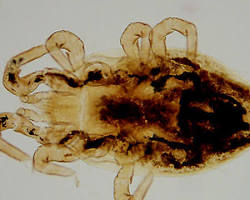
Fowl Mites are parasitic blood-feeding mites that infest poultry, pet birds, and wild birds worldwide. These tiny arachnids are among the most serious external parasites affecting chickens and other domestic birds, causing irritation, blood loss, stress, reduced egg production, poor growth, and even death in severe infestations. The two most economically important species are the Northern Fowl Mite (Ornithonyssus sylviarum) and the Red Mite or Chicken Mite (Dermanyssus gallinae).
Although both species feed on blood and cause similar symptoms, they differ significantly in behavior. Northern Fowl Mites spend their entire life cycle directly on the host bird, while Red Mites hide in cracks and crevices of poultry housing during the day and feed on birds at night.
Fowl Mites are major pests in commercial poultry production, backyard chicken flocks, aviaries, and bird breeding operations. Infestations can spread rapidly and are often difficult to eliminate without treating both the birds and their environment.
Taxonomy and Classification
- Kingdom: Animalia
- Phylum: Arthropoda
- Class: Arachnida
- Subclass: Acari
- Common Species: Ornithonyssus sylviarum, Dermanyssus gallinae
- Common Name: Fowl Mites
Fowl Mites belong to the subclass Acari, which includes mites and ticks. Like other mites, they are arachnids rather than insects and possess eight legs during the adult stage.
These parasites undergo simple metamorphosis through several stages:
- Egg
- Larva
- Nymph
- Adult
Their rapid development allows populations to explode quickly under warm and humid conditions.
Major Species of Fowl Mites
Northern Fowl Mite
The Northern Fowl Mite (Ornithonyssus sylviarum) is one of the most common poultry mites in North America and many other regions.
Important characteristics include:
- Lives permanently on the bird
- Clusters around the vent and tail feathers
- Feeds repeatedly on blood
- Causes heavy feather soiling
- Rapidly spreads through direct bird contact
Because Northern Fowl Mites remain on the host continuously, infestations may persist even in relatively clean housing.
Red Mite (Chicken Mite)
The Red Mite (Dermanyssus gallinae) is especially problematic in poultry housing systems.
Unlike Northern Fowl Mites, Red Mites:
- Hide off the bird during daylight hours
- Feed on birds mainly at night
- Hide in cracks and crevices
- Survive for weeks without feeding
- Cause severe coop infestations
This behavior makes Red Mites particularly difficult to control because treating only the birds is usually ineffective.
Physical Description
Fowl Mites are extremely small parasites, usually less than 1 millimeter long, making them difficult to see without close inspection.
Adult mites are oval-shaped arachnids with eight legs and piercing mouthparts adapted for blood feeding.
Northern Fowl Mites often appear dark gray or black because their bodies become filled with ingested blood.
Red Mites appear pale gray or whitish before feeding but become bright red after consuming blood.
Common signs of infestation include:
- Dirty or matted feathers
- Scabbing around the vent
- Feather loss
- Visible mites crawling on eggs or skin
- Dark crusting near feather bases
Large Red Mite infestations may be visible as clusters hidden inside coop cracks, under roosts, or beneath nesting boxes.
Distribution and Habitat
Fowl Mites are cosmopolitan parasites found worldwide wherever poultry or captive birds are kept.
Common hosts include:
- Chickens
- Turkeys
- Pigeons
- Canaries
- Parrots
- Wild birds
- Game birds
Their habitat depends on species behavior.
Northern Fowl Mites spend their entire life cycle directly on birds, especially near the vent, tail, and lower body feathers.
Red Mites live primarily in:
- Coop cracks and crevices
- Nesting boxes
- Roost supports
- Wood joints
- Under bedding
- Wall voids
Red Mites emerge at night to feed and retreat to hiding areas before daylight.
Life Cycle
Fowl Mites have extremely rapid life cycles, especially in warm environments. Under favorable conditions, development from egg to adult may occur in as little as 7 days.
The life cycle includes:
- Egg deposition
- Larval stage
- Nymph stages
- Adult blood-feeding stage
Females lay eggs near feeding areas or directly on hosts depending on species.
Because reproduction occurs quickly, infestations can become severe within a short period if not controlled.
Heated poultry houses may support continuous year-round reproduction.
Behavior and Damage
Fowl Mites feed by piercing the skin and consuming blood from birds. Repeated feeding causes chronic stress and physiological damage.
Common effects include:
- Severe irritation
- Restlessness
- Excessive preening
- Anemia
- Weight loss
- Reduced egg production
- Poor feed conversion
- Feather damage
- Death in severe infestations
Heavy infestations may reduce egg production by up to 30% or more in commercial poultry operations.
Young birds, sick birds, or stressed birds are particularly vulnerable to blood loss and mortality.
Red Mite infestations are especially stressful because birds are repeatedly attacked at night while roosting.
Signs of Infestation
- Mites crawling near the vent feathers
- Birds scratching or preening excessively
- Pale combs and wattles from anemia
- Dirty feathers around the tail
- Blood spots on eggs
- Clusters of mites in coop cracks
- Reduced egg production
- Restless birds at night
People handling infested birds or collecting eggs may sometimes feel mites crawling on their skin, especially with Red Mite infestations.
Management and Control (IPM)
Successful control of Fowl Mites requires treating both the birds and their environment.
Environmental Treatment
Thoroughly clean poultry housing by removing bedding, dust, manure, and debris.
Pay special attention to:
- Cracks and crevices
- Roost supports
- Nesting boxes
- Wall joints
- Hidden wooden surfaces
Apply approved residual insecticides, silica dusts, or food-grade diatomaceous earth to hiding areas.
Because mites develop rapidly, repeated treatments are usually necessary.
Bird Treatment
Apply veterinary-approved acaricides directly to infested birds when necessary.
Treatment should focus especially on:
- Vent feathers
- Tail regions
- Areas beneath wings
Always follow veterinary guidance and product labeling carefully to avoid toxicity or egg contamination.
Quarantine
Isolate new birds before introducing them into established flocks.
Inspect birds carefully for mites and feather damage during quarantine periods.
Dust Baths
Providing chickens with dust bathing areas may help birds naturally reduce mite populations through grooming behavior.
Monitoring
Inspect birds and housing regularly, especially around vents, nesting boxes, and roosting areas.
Early detection is essential because populations increase rapidly.
Human Interaction
Fowl Mites primarily feed on birds, but Red Mites may occasionally bite humans temporarily when infestations are severe.
Although they cannot establish permanent infestations on people, bites may cause:
- Skin irritation
- Itching
- Temporary dermatitis
Human exposure usually occurs while handling infested poultry or cleaning heavily infested coops.
Research and Poultry Industry Importance
Fowl Mites are among the most economically important external poultry parasites worldwide.
Research currently focuses on:
- Non-chemical control methods
- Mite-resistant poultry breeds
- Improved housing design
- Biological controls
- Reduced-risk acaricides
- Integrated pest management systems
Because resistance to some chemical treatments is increasing, poultry producers are increasingly relying on integrated management approaches.
Conclusion
Fowl Mites are serious blood-feeding parasites of poultry and captive birds worldwide. Species such as the Northern Fowl Mite and Red Mite cause irritation, anemia, stress, reduced egg production, feather damage, and even death in severe infestations. Their rapid reproduction and hidden behavior make them difficult pests to control without thorough treatment of both birds and poultry housing. Effective management relies on sanitation, environmental treatment, bird treatment, quarantine procedures, and regular monitoring to prevent severe infestations and maintain poultry health.