Overview
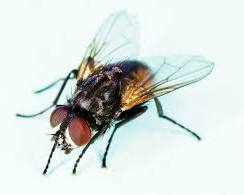
Filth Flies are a broad group of flies associated with decaying organic matter, garbage, sewage, animal waste, carrion, and rotting food materials. These flies are among the most important public health pests worldwide because of their ability to mechanically spread bacteria, parasites, and disease-causing pathogens. Common members of this group include the House Fly, Blow Flies, and Flesh Flies.
Filth Flies thrive in unsanitary environments where moist organic matter provides food and breeding material for developing larvae. Because adults frequently move between contaminated material and human food sources, they are considered serious vectors of foodborne illness and contamination.
These flies are common pests in homes, restaurants, farms, food-processing facilities, dumpsters, livestock operations, and urban environments. Their rapid reproductive cycle allows populations to grow quickly if sanitation and waste management are inadequate.
Taxonomy and Classification
- Kingdom: Animalia
- Phylum: Arthropoda
- Class: Insecta
- Order: Diptera
- Common Groups: House Flies, Blow Flies, Flesh Flies
- Common Name: Filth Flies
Filth Flies belong to the order Diptera, the group containing all true flies.
Important filth fly families include:
- Muscidae – House Flies
- Calliphoridae – Blow Flies
- Sarcophagidae – Flesh Flies
These flies undergo complete metamorphosis with four life stages:
- Egg
- Larva (maggot)
- Pupa
- Adult
The larval stage develops within moist decaying material where abundant nutrients support rapid growth.
Physical Description
Filth Flies vary in size, color, and appearance depending on species, but most possess several common characteristics.
Typical identifying features include:
- Gray, black, or metallic body coloration
- Large compound eyes
- Single pair of functional wings
- Sponging or sucking mouthparts
- Rapid erratic flight
- Short antennae
House Flies are generally gray with dark stripes on the thorax.
Blow Flies are often metallic green, blue, or bronze.
Flesh Flies commonly possess gray and black checkered patterns.
Adult flies usually range from 1/8 inch to 1/2 inch long depending on species.
Mouthparts and Feeding Adaptations
Filth Flies possess specialized sponging mouthparts designed for consuming liquid or semi-liquid material.
Because they cannot chew solid food, these flies regurgitate digestive enzymes and saliva onto food surfaces to dissolve material before ingestion.
This feeding behavior contributes heavily to contamination and disease transmission.
As flies feed and move between surfaces, they leave behind:
- Regurgitated fluids
- Fecal spots
- Bacteria
- Pathogens
- Microorganisms attached to body hairs and legs
Distribution and Habitat
Filth Flies are cosmopolitan insects found worldwide in virtually every human environment.
They thrive wherever moist decaying organic matter is present.
Common breeding and resting habitats include:
- Garbage containers
- Dumpsters
- Animal manure
- Sewage areas
- Compost piles
- Rotting food
- Dead animals
- Food waste areas
- Livestock facilities
- Commercial kitchens
Adults are highly mobile and frequently enter homes, restaurants, warehouses, grocery stores, and food-processing facilities in search of food and moisture.
Warm temperatures and high humidity strongly favor fly development and population growth.
Life Cycle
Filth Flies have extremely rapid life cycles, allowing populations to explode quickly under favorable conditions.
Egg Stage
Females lay eggs directly on moist decaying organic material suitable for larval feeding.
Egg masses may contain hundreds of eggs.
Larval Stage
The larvae, commonly called maggots, hatch quickly and begin feeding immediately.
Maggots consume:
- Decaying food
- Animal waste
- Carrion
- Organic sludge
- Fermenting material
Rapid feeding allows larvae to grow quickly before pupation.
Pupal Stage
The larvae transform into pupae within hardened brown protective cases.
Pupation often occurs in drier nearby locations.
Adult Stage
Adults emerge from pupae and begin feeding and reproducing almost immediately.
Under warm conditions, some species may complete development from egg to adult in as little as 7 to 10 days.
Behavior and Feeding
Filth Flies are highly active scavengers attracted strongly to odors associated with decomposition and fermentation.
Adult flies feed primarily on:
- Sugars
- Liquids
- Food residues
- Organic waste
- Animal secretions
- Decaying matter
Their excellent sense of smell allows them to rapidly locate breeding sites and food sources over considerable distances.
Because they frequently travel between contaminated materials and human food, they are considered dangerous mechanical disease vectors.
Disease Transmission and Public Health Importance
Filth Flies are among the most important public health pests because they can mechanically transfer harmful pathogens to food and surfaces.
Pathogens may be carried:
- On body hairs
- On legs and feet
- Inside the digestive tract
- In regurgitated fluids
- In fecal deposits
Diseases and pathogens associated with Filth Flies include:
- Salmonella
- E. coli
- Shigella
- Typhoid bacteria
- Cholera organisms
- Parasitic worms
- Foodborne pathogens
Contamination risk is especially severe in:
- Kitchens
- Restaurants
- Food warehouses
- Hospitals
- Food-processing facilities
- Livestock operations
Signs of Infestation
- Large numbers of adult flies
- Maggots in garbage or waste
- Fly activity around drains or dumpsters
- Dark fecal spotting on surfaces
- Persistent buzzing indoors
- Strong odors from breeding material
Heavy infestations often indicate hidden sanitation problems or overlooked breeding sources.
Management and Control (IPM)
Successful control of Filth Flies depends primarily on sanitation and elimination of breeding material.
Sanitation
Proper sanitation is the single most important control measure.
Remove or clean:
- Food waste
- Animal manure
- Spilled garbage
- Rotting produce
- Organic sludge
- Pet waste
Without breeding material, fly populations collapse rapidly.
Garbage Management
Seal garbage containers tightly and empty them regularly.
Wash dumpsters and waste bins frequently to remove organic residue.
Exclusion
Install and maintain window screens, air curtains, and door seals to prevent flies from entering buildings.
Moisture Management
Reduce excess moisture around drains, garbage areas, and organic waste sites.
Dry environments discourage larval development.
Trapping
Common fly control devices include:
- Sticky traps
- UV light traps
- Baited fly traps
- Jar traps
- Fly ribbons
Monitoring traps also help identify infestation severity.
Chemical Control
Residual insecticides and fly baits may be used when sanitation alone is insufficient.
However, chemical control is most effective only when combined with breeding source elimination.
Ecological Importance
Despite their pest status, Filth Flies play important ecological roles as decomposers.
Larvae help break down:
- Dead animals
- Organic waste
- Animal manure
- Rotting plant material
This decomposition activity contributes to nutrient recycling in natural ecosystems.
Filth Flies also serve as food for:
- Birds
- Spiders
- Reptiles
- Predatory insects
- Amphibians
Research and Scientific Importance
Researchers study Filth Flies extensively because of their importance in:
- Public health
- Food safety
- Disease transmission
- Waste decomposition
- Forensic entomology
Modern research focuses on improved sanitation methods, biological controls, pathogen transmission dynamics, and insecticide resistance management.
Conclusion
Filth Flies are medically important flies associated with decaying organic matter, garbage, sewage, and animal waste. Common species such as House Flies, Blow Flies, and Flesh Flies are capable of spreading dangerous pathogens including salmonella and E. coli. Their rapid breeding cycle and attraction to unsanitary conditions make them serious pests in homes, restaurants, farms, and food-processing facilities. Effective control relies primarily on sanitation, waste management, exclusion, and elimination of breeding sources.