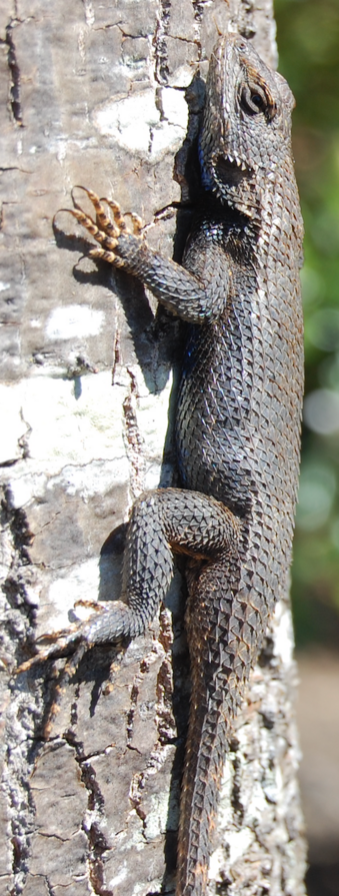
Eastern Fence Lizard Mites are parasitic arachnids that infest reptiles, particularly the Eastern Fence Lizard (Sceloporus undulatus) and related lizard species throughout North America. These tiny external parasites attach to the skin and feed on blood or bodily fluids, often clustering around folds of skin, limbs, and softer body regions. While small numbers of mites may cause little noticeable harm, heavy infestations can stress the host animal, weaken immune function, and increase vulnerability to disease and environmental pressures.
Taxonomy and Classification
- Class: Arachnida
- Subclass: Acari
- Common Group: Reptile mites
Eastern Fence Lizard Mites belong to the diverse mite subclass Acari, which also includes ticks and numerous free-living or parasitic mite species. These mites are considered ectoparasites because they live on the external surface of their hosts.
Several mite species may infest fence lizards, including members of the genera Ophionyssus, Geckobiella, and related reptile-associated mites.
Identification
Eastern Fence Lizard Mites are extremely small and often appear as tiny red, black, brown, or orange specks attached to the skin of reptiles. They are usually easiest to observe around:
- Leg joints
- Neck folds
- Around the eyes
- Ear openings
- Under scales
- Tail bases
Under magnification, these mites possess oval bodies and eight legs typical of arachnids. Some species become darker after feeding due to ingested blood.
Infested lizards may display clusters of mites concentrated around softer skin areas where feeding is easier.
Distribution and Habitat
Eastern Fence Lizard Mites occur throughout regions inhabited by their reptile hosts, particularly across the eastern and southeastern United States.
They are commonly associated with:
- Woodlands
- Rocky outcrops
- Forested habitats
- Dry scrublands
- Fence rows
- Reptile basking areas
Mites spend much of their life cycle on or near host animals but may also survive temporarily within leaf litter, soil, or sheltered environmental crevices.
Life Cycle
Like other mites, Eastern Fence Lizard Mites develop through multiple stages:
- Egg
- Larva
- Nymph
- Adult
Females lay eggs in protected environments near reptile habitats. After hatching, immature mites seek hosts for feeding. Under warm environmental conditions, mite populations may increase rapidly.
Some stages may spend time off-host before returning to reptiles for additional feeding.
Behavior
These mites attach to reptiles using specialized mouthparts that pierce the skin and extract blood or bodily fluids. Feeding may last for extended periods before mites detach or move to new feeding sites.
Heavily infested lizards may exhibit:
- Frequent scratching or rubbing
- Reduced basking activity
- Lethargy
- Weight loss
- Skin irritation
- Increased stress behavior
Mites may also transfer between reptiles when animals share sheltering or basking sites.
Impact on Reptiles
Light infestations often cause minimal visible harm in healthy wild reptiles. However, severe mite infestations may negatively affect reptile health through:
- Blood loss
- Stress-related immune suppression
- Skin irritation
- Increased disease susceptibility
- Secondary bacterial infections
- Reduced feeding activity
Young, injured, or weakened reptiles are generally more vulnerable to complications from heavy mite infestations.
Ecological Importance
Although parasitic, reptile mites are natural components of reptile ecosystems and contribute to ecological relationships between parasites and hosts. Their populations are often regulated naturally by environmental conditions, grooming behavior, and host immune defenses.
In balanced ecosystems, mite infestations are usually moderate and rarely catastrophic in wild reptile populations.
Management and Prevention
Wild Reptiles
Control is generally unnecessary in natural environments because these mites are part of natural ecological systems.
Captive Reptiles
- Maintain clean enclosures
- Quarantine newly acquired reptiles
- Reduce excess enclosure humidity
- Clean substrate regularly
- Use veterinarian-approved mite treatments when necessary
Captive infestations may spread rapidly when reptiles are housed closely together.
Human Interaction
Eastern Fence Lizard Mites do not normally infest humans and are not considered significant household pests. Their importance is primarily related to reptile health and wildlife ecology.
Conclusion
Eastern Fence Lizard Mites are specialized reptile parasites that feed externally on fence lizards and related reptile species. While small infestations are usually tolerated in natural ecosystems, heavy mite populations can stress reptile hosts and contribute to declining health. Proper habitat management, sanitation in captive environments, and early monitoring help minimize serious infestations while maintaining healthy reptile populations.