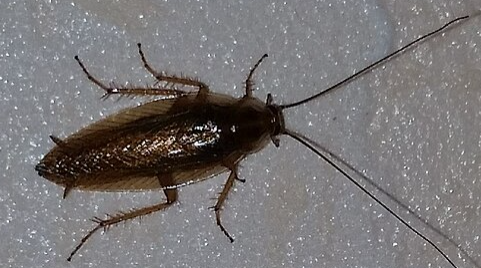
Dusky Cockroaches (family Ectobiidae) are small, outdoor-dwelling cockroaches commonly found in leaf litter, mulch, and wooded environments. Unlike more notorious indoor species, these cockroaches primarily live outside and feed on decaying organic material, playing a role in natural decomposition processes.
They are considered occasional nuisance pests because they may wander indoors, especially during warm weather or when attracted by moisture and light, but they rarely establish infestations inside homes.
Quick Facts
- Common Name: Dusky Cockroach
- Family: Ectobiidae
- Order: Blattodea
- Habitat: Leaf litter, mulch, gardens, wooded areas
- Diet: Decaying plant material and organic debris
- Status: Occasional nuisance pest
Taxonomy and Classification
Dusky cockroaches belong to the order Blattodea, which includes all cockroach species as well as termites. They are part of the family Ectobiidae, often referred to as “wood cockroaches” or “outdoor cockroaches.”
They are closely related to other cockroaches, but unlike common indoor species such as German or American cockroaches, dusky cockroaches are primarily adapted to outdoor environments.
They undergo incomplete metamorphosis, developing through egg, nymph, and adult stages.
Identification
Dusky cockroaches are relatively small and can sometimes be mistaken for immature stages of indoor cockroach species.
- Size: Small compared to common household cockroaches
- Color: Dark brown to dusky brown
- Body Shape: Flattened and oval, typical of cockroaches
- Wings: Adults may have wings, though flight is limited
Nymphs resemble adults but are smaller and lack fully developed wings. Because of their similar appearance, they are often misidentified as pest species when found indoors.
Distribution and Habitat
Dusky cockroaches are widely distributed across North America and are most commonly associated with:
- Wooded environments
- Leaf litter and forest floors
- Mulch beds and garden landscapes
- Moist, shaded outdoor areas
They prefer environments with high humidity and organic debris, which provide both food and shelter.
Occasionally, they may enter homes, particularly in:
- Warm or dry conditions outdoors
- Areas with exterior lighting that attracts insects
- Homes with gaps or openings near the foundation
Behavior and Life Cycle
Dusky cockroaches follow a typical cockroach life cycle:
- Egg: Encased in an ootheca (egg case)
- Nymph: Wingless juvenile that molts multiple times
- Adult: Fully developed reproductive stage
Females produce egg cases containing multiple eggs, which are deposited in protected outdoor environments such as soil, debris, or under mulch.
Key behavioral traits include:
- Primarily nocturnal activity
- Preference for outdoor environments
- Occasional indoor wandering rather than colonization
Feeding and Ecological Role
Dusky cockroaches are detritivores, meaning they feed on decomposing organic matter. Their diet includes:
- Dead leaves
- Plant debris
- Decaying wood
- Organic material in soil
Because of this, they play an important ecological role by:
- Breaking down organic matter
- Recycling nutrients into the soil
- Supporting healthy ecosystems
Pest Status
Dusky cockroaches are considered minor nuisance pests. Unlike indoor cockroach species:
- They rarely infest homes
- They do not typically contaminate food
- They do not reproduce indoors under normal conditions
Indoor sightings are usually accidental and temporary.
Prevention
Preventing indoor entry focuses on reducing outdoor attractants and sealing entry points:
- Remove excess mulch and leaf litter near foundations
- Keep vegetation trimmed away from structures
- Seal cracks and gaps around doors, windows, and utility lines
- Reduce moisture around the home’s exterior
- Limit outdoor lighting that attracts insects
Control
Control is typically simple and focuses on exclusion and sanitation rather than chemical treatments:
- Vacuum or remove individuals found indoors
- Improve drainage and reduce damp conditions
- Eliminate outdoor harborage areas
Chemical control is rarely necessary because infestations inside structures are uncommon.
Related Articles
Conclusion
Dusky cockroaches are primarily outdoor insects that contribute to natural decomposition processes. While they may occasionally enter homes, they do not typically establish infestations or pose serious risks.
Simple preventative measures such as moisture control and exclusion are usually sufficient to manage their presence, allowing homeowners to avoid unnecessary concern over these generally harmless insects.