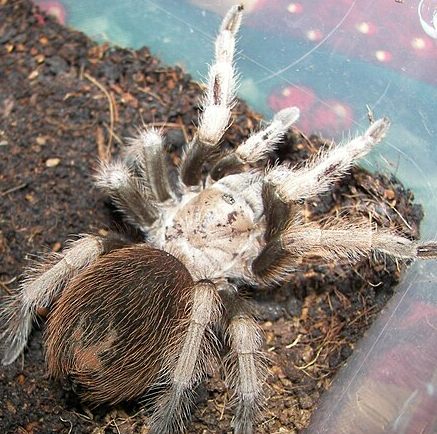
Desert Blonde Tarantulas (Aphonopelma chalcodes) are large, ground-dwelling spiders native to the arid regions of the southwestern United States and northern Mexico. Despite their intimidating size and appearance, these spiders are generally docile and harmless to humans. They are slow-moving, solitary predators that spend most of their lives hidden in underground burrows.
In desert ecosystems, desert blonde tarantulas play an important role as beneficial predators, helping to control populations of insects and other small arthropods. They are commonly encountered during seasonal movements, particularly when males wander in search of mates.
Quick Facts
- Common Name: Desert Blonde Tarantula
- Scientific Name: Aphonopelma chalcodes
- Family: Theraphosidae
- Order: Araneae
- Habitat: Deserts, scrublands, and dry grasslands
- Diet: Insects and small arthropods
- Status: Beneficial predator
Taxonomy and Classification
Desert blonde tarantulas belong to the family Theraphosidae, which includes all tarantulas. This family is known for its large-bodied spiders with thick legs and a relatively slow, deliberate movement style.
They are part of the broader group of spiders, many of which serve important ecological roles as predators.
Unlike insects, tarantulas undergo simple development, hatching as spiderlings and gradually growing through a series of molts.
Identification
Desert blonde tarantulas are among the largest spiders in North America and are easily recognized by their size and coloration.
- Body Size: Up to 4–5 inches across including leg span
- Color: Light tan, blonde, or sandy brown
- Body Shape: Robust body with thick legs
- Hair: Covered in fine hairs used for sensing vibrations
Females are generally larger and more sedentary, while males are slightly smaller and more mobile during mating season.
Although they possess venom, it is mild and not considered medically significant to humans.
Distribution and Habitat
Desert blonde tarantulas are native to the Southwestern United States, including Arizona, New Mexico, and parts of California, as well as northern Mexico.
They inhabit:
- Deserts and semi-arid regions
- Scrublands and grasslands
- Rocky hillsides and open terrain
These spiders construct burrows in the ground, which serve as shelter from extreme temperatures and predators.
Behavior and Life Cycle
Desert blonde tarantulas are solitary and spend most of their lives in burrows.
- Burrowing: Females create and maintain underground homes
- Nocturnal Activity: Emerge at night to hunt
- Seasonal Movement: Males wander during late summer and fall in search of mates
Their life cycle includes:
- Egg Sac: Females produce egg sacs containing hundreds of spiderlings
- Spiderlings: Hatch and disperse
- Juveniles: Grow through repeated molts
- Adults: Reach maturity after several years
Females can live 20 years or more, while males typically live only a few years after reaching maturity.
Feeding and Ecological Role
Desert blonde tarantulas are ambush predators that feed on a variety of small animals.
- Primary Diet: Insects such as crickets, beetles, and grasshoppers
- Occasional Prey: Small lizards or other arthropods
They do not spin webs to catch prey but instead rely on stealth and quick strikes.
Their presence helps:
- Control insect populations
- Maintain ecological balance in desert environments
Pest Status
Desert blonde tarantulas are not considered pests. They do not damage property, plants, or structures.
They may occasionally be noticed when:
- Males wander during mating season
- Burrows are located near homes or walkways
Despite their appearance, they are generally non-aggressive and prefer to avoid human interaction.
Management and Control
Control is rarely necessary due to their beneficial role and low risk to humans.
| Strategy | Purpose | Benefit |
|---|---|---|
| Exclusion | Seal entry points | Prevents indoor encounters |
| Prey Reduction | Limit insect populations | Reduces attraction to the area |
| Avoid Disturbance | Leave burrows undisturbed | Minimizes defensive behavior |
Relocation or removal is generally unnecessary and discouraged.
Prevention
- Seal gaps around doors and foundations
- Reduce outdoor lighting that attracts insects
- Maintain clean yard areas with minimal debris
- Avoid disturbing burrows in natural areas
These measures help reduce the likelihood of encounters without harming beneficial wildlife.
Related Articles
Conclusion
Desert blonde tarantulas are fascinating and beneficial inhabitants of desert ecosystems. While their size and appearance may seem intimidating, they pose little threat to humans and provide valuable natural pest control.
In most cases, these spiders should be left undisturbed, allowing them to continue their important role in maintaining ecological balance.