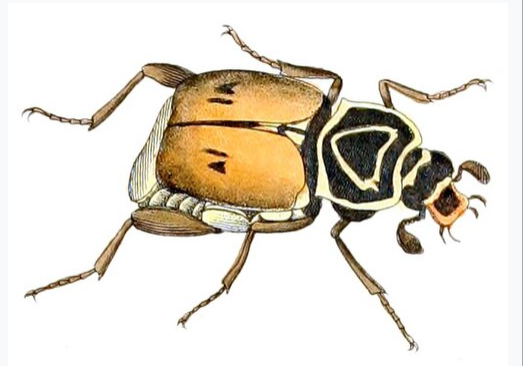
Delta Flower Scarab Beetles are flower-visiting beetles in the family Scarabaeidae that are commonly found in gardens, orchards, and flowering landscapes. These beetles are primarily known for feeding on pollen, nectar, and soft fruit, making them both beneficial pollinators and occasional minor pests.
In most situations, their presence is considered positive due to their role in pollination. However, when populations are high, they may feed on blossoms or ripening fruit, leading to cosmetic damage in gardens and agricultural settings.
Quick Facts
- Common Name: Delta Flower Scarab Beetles
- Family: Scarabaeidae
- Order: Coleoptera
- Habitat: Gardens, orchards, fields, and flowering landscapes
- Diet: Nectar, pollen, fruit, and organic material
- Status: Beneficial insect and occasional garden pest
Taxonomy and Classification
Delta flower scarabs belong to the family Scarabaeidae, a large and diverse group of beetles that includes many species associated with soil, organic matter, and plant feeding.
They are part of the broader group of scarab beetles, which includes both beneficial decomposers and plant-feeding species.
Like other beetles, they undergo complete metamorphosis consisting of egg, larval, pupal, and adult stages.
Identification
Delta flower scarab beetles are easily recognized by their robust build and active flight behavior.
- Body Shape: Stout and oval
- Coloration: Brown, green, bronze, or metallic depending on species
- Size: Small to medium-sized
- Flight: Strong fliers with a noticeable buzzing sound
Adults are frequently seen visiting flowers during daylight hours.
The larvae are typical scarab grubs:
- Appearance: White, C-shaped grubs
- Habitat: Soil or organic matter
- Feeding: Decomposing plant material
Distribution and Habitat
Delta flower scarab beetles are widely distributed in regions where flowering plants are abundant.
They are commonly found in:
- Home gardens
- Orchards and fruit plantings
- Fields and meadows
- Landscaped areas with flowering plants
Their activity is closely tied to the availability of nectar and pollen sources.
Behavior and Life Cycle
The life cycle of delta flower scarabs follows a typical beetle pattern:
- Egg Stage: Eggs are laid in soil or organic debris
- Larval Stage: Grubs feed on decomposing plant material
- Pupal Stage: Pupation occurs in soil
- Adult Stage: Adults emerge and feed on flowers and fruit
Adults are most active during warm seasons and are often seen visiting flowers for feeding and mating.
Feeding and Ecological Role
Delta flower scarabs play an important dual role in ecosystems.
- Pollination: Adults transfer pollen between flowers while feeding
- Decomposition: Larvae help break down organic material in soil
However, feeding behavior can occasionally result in:
- Chewed petals and blossoms
- Damage to soft or overripe fruit
- Cosmetic injury to ornamental plants
In most cases, this damage is minor and does not significantly affect plant health.
Pest Status
Delta flower scarab beetles are generally considered beneficial insects, but they may be classified as minor pests when present in large numbers.
They can impact:
- Flowering ornamentals
- Fruit crops
- Garden plants
Damage is usually limited to aesthetics rather than severe plant injury.
Management and Control
Management typically focuses on simple cultural practices rather than aggressive treatments.
| Strategy | Purpose | Benefit |
|---|---|---|
| Sanitation | Remove decaying plant material | Reduces breeding sites |
| Harvesting | Pick ripe fruit promptly | Limits feeding opportunities |
| Monitoring | Observe beetle activity | Prevents population buildup |
| Manual Removal | Remove beetles when needed | Immediate population reduction |
Because they provide ecological benefits, control measures should be used sparingly.
Prevention
- Remove fallen or overripe fruit
- Maintain clean garden beds
- Limit fermenting organic material
- Encourage balanced garden ecosystems
Preventative care helps maintain beetle populations at manageable levels.
Related Articles
Conclusion
Delta flower scarab beetles are active, flower-visiting insects that contribute to pollination while occasionally causing minor plant damage. Their dual role as both beneficial insects and occasional pests highlights the importance of balanced garden management.
In most cases, their ecological benefits outweigh their drawbacks, and simple monitoring and sanitation practices are sufficient to keep their activity under control.