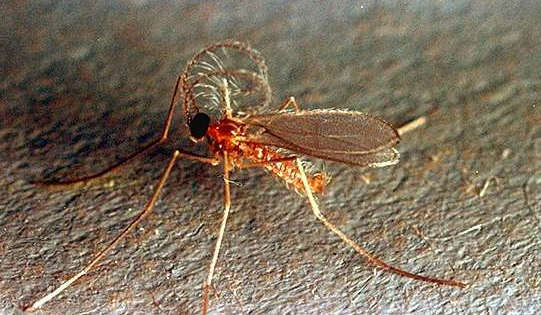
Clover Seed Midges (Dasineura leguminicola) are small fly pests that attack clover crops by damaging developing seeds within flower heads. These insects are particularly problematic in forage and seed production systems, where they can significantly reduce both seed yield and quality.
Because larval feeding occurs inside the flower head, infestations often go unnoticed until harvest reveals poor seed set or low viability. Their lifecycle is closely tied to the flowering stage of clover, making timing a critical factor in management.
Taxonomy and Classification
- Common Name: Clover Seed Midge
- Scientific Name: Dasineura leguminicola
- Order: Diptera
- Family: Cecidomyiidae
- Type: Seed-damaging agricultural pest
Clover seed midges are part of the gall midge family, known for their delicate bodies and plant-specific feeding habits.
Identification
Both adult and larval stages are important for identification, though larvae are more commonly encountered.
- Adults: Extremely small (about 2 mm), mosquito-like flies with slender bodies and delicate wings
- Larvae: Tiny, legless maggots that range from creamy-white to orange or pinkish-red as they mature
Key identifying signs include:
- Malformed or stunted clover heads
- Flower heads remaining green instead of turning pink or red
- Hard or gritty flower heads due to internal damage
Breaking open affected flower heads may reveal small larvae feeding inside.
Distribution and Habitat
Clover seed midges are found in temperate regions where clover is widely cultivated, particularly across the United States.
They are most commonly associated with:
- Red clover seed production fields
- Forage systems
- Areas with dense clover stands
Their populations are closely tied to clover flowering cycles, with infestations peaking during critical reproductive stages.
Behavior and Life Cycle
Clover seed midges undergo complete metamorphosis.
The lifecycle includes:
- Egg Stage: Eggs are deposited into unopened clover flower heads
- Larval Stage: Larvae feed within florets, destroying developing seeds
- Pupal Stage: Pupation occurs in the soil
- Adult Stage: Adults emerge and disperse to new flower heads
Multiple generations may occur per season depending on environmental conditions and crop management.
Feeding and Damage
Clover seed midges cause damage by feeding on developing seed tissue.
- Seed Destruction: Larvae consume the contents of developing seeds
- Floret Failure: Flowers fail to develop properly
- Head Malformation: Clover heads appear stunted and irregular
- Reduced Yield: Significant decreases in seed production
In severe infestations, seed losses can be substantial, even though the forage plant itself may remain alive.
Management and Control
Effective management focuses on disrupting the lifecycle and protecting flowering stages.
| Strategy | Purpose | Benefit |
|---|---|---|
| Early Cutting | Harvest forage early in the season | Removes larvae before they complete development |
| Crop Rotation | Rotate with non-clover crops | Reduces population buildup |
| Field Sanitation | Remove plant debris and screenings | Eliminates developing larvae |
| Monitoring | Inspect flower heads during development | Allows early detection and response |
Timing management practices around flowering stages is essential for effective control.
Prevention
- Monitor clover fields during flowering
- Rotate crops to break pest cycles
- Avoid planting near previously infested fields
- Maintain healthy plant stands
- Use proper harvest timing strategies
Preventative practices help minimize long-term infestation risks.
Related Articles
Conclusion
Clover seed midges are hidden but economically significant pests that reduce seed production by feeding within developing flower heads. Their lifecycle timing makes early detection and intervention critical.
By using integrated pest management strategies, including crop rotation, early harvest, and monitoring, growers can reduce losses and maintain productive clover systems.