Overview
Uranotaenia Mosquitoes are a fascinating genus of mosquitoes belonging to the family Culicidae. Unlike many well-known mosquito species that actively seek human blood meals and transmit diseases, most Uranotaenia species specialize in feeding on amphibians, reptiles, and occasionally annelids such as leeches. Their unique feeding preferences make them one of the least significant mosquito groups from a public health perspective.
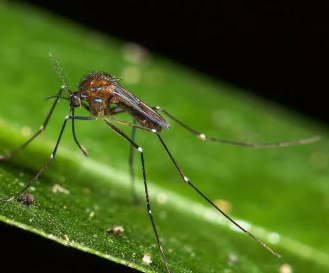
These small mosquitoes are often recognized by their metallic blue, green, or iridescent scales that give them a distinctive appearance. Although they rarely interact with humans, they play an important ecological role in wetland and aquatic ecosystems where they serve as both predators and prey within complex food webs.
Because they breed in standing water and can sometimes occur in large numbers, homeowners occasionally notice them around ponds, marshes, and wooded wetlands. However, they are generally considered minor nuisance insects rather than serious pests.
Taxonomy and Classification
Uranotaenia mosquitoes belong to the order Diptera and the family Culicidae, which includes all mosquito species.
- Kingdom: Animalia
- Phylum: Arthropoda
- Class: Insecta
- Order: Diptera
- Family: Culicidae
- Genus: Uranotaenia
More than 250 species have been described worldwide. Several species occur throughout North America, particularly in the southeastern United States where wetlands and amphibian populations are abundant.
Physical Description
Adult Uranotaenia mosquitoes are among the smallest mosquitoes encountered in North America.
- Adult Size: Typically 2–4 mm long.
- Coloration: Dark body with metallic blue, green, or iridescent scales.
- Wings: Narrow and transparent with scaled veins.
- Legs: Often display pale or metallic markings.
- Proboscis: Adapted for feeding on amphibians and reptiles.
- Conflict: Minor nuisance; limited public health importance.
One of the most distinctive identification features is the shimmering blue coloration visible on the thorax and wing bases when viewed in sunlight.
Distribution and Habitat
Uranotaenia mosquitoes occur throughout tropical, subtropical, and temperate regions worldwide.
In North America, they are most common in:
- Wetlands
- Marshes
- Swamps
- Flooded woodlands
- Ponds
- Permanent pools
- Vegetated ditches
These mosquitoes are closely associated with aquatic habitats that support abundant amphibian populations. Their presence often indicates a relatively stable wetland ecosystem.
Life Cycle
Like all mosquitoes, Uranotaenia species undergo complete metamorphosis.
Egg Stage
Females lay eggs on or near standing water. Eggs are deposited in habitats that provide protection and adequate food resources for developing larvae.
Larval Stage
Larvae develop entirely in water and feed on microorganisms, algae, bacteria, and organic debris.
Unlike many mosquito larvae that hang at an angle from the water surface, Uranotaenia larvae often rest almost horizontally beneath the surface film.
Pupal Stage
The pupal stage is aquatic and non-feeding. During this period the insect undergoes transformation into an adult mosquito.
Adult Stage
Adults emerge from the water and seek mates shortly afterward. Females then locate suitable hosts for blood meals needed for egg production.
Development time varies from several days to a few weeks depending on temperature and environmental conditions.
Behavior and Feeding Habits
Uranotaenia mosquitoes differ significantly from many other mosquito groups because of their specialized host preferences.
- Primary Hosts: Frogs, toads, salamanders, lizards, and other cold-blooded animals.
- Secondary Hosts: Some species may occasionally feed on leeches or other aquatic organisms.
- Human Feeding: Extremely uncommon.
- Activity Period: Most active during dusk and nighttime hours.
Researchers have observed some species locating hosts by responding to frog calls and other environmental cues associated with amphibian activity.
This specialization greatly limits their importance as vectors of human diseases.
Ecological Importance
Although they receive little attention compared to pest mosquitoes, Uranotaenia mosquitoes play valuable ecological roles.
- Serve as food for fish, dragonfly larvae, amphibians, and birds.
- Help transfer energy through aquatic food webs.
- Support biodiversity in wetland ecosystems.
- Act as indicators of healthy aquatic habitats.
Their presence is often associated with relatively undisturbed wetlands containing stable amphibian populations.
Damage and Public Health Importance
Uranotaenia mosquitoes are generally considered low-risk pests.
Human Health
Because they rarely bite humans, they are not considered significant vectors of human diseases.
Nuisance Issues
In areas with large wetland habitats, adults may gather around lights and become minor nuisance insects.
Environmental Impact
They cause no measurable damage to plants, structures, livestock, or agricultural production.
Most concerns associated with Uranotaenia mosquitoes are related to general mosquito abundance rather than species-specific problems.
Management and Control (IPM)
Management is rarely directed specifically at Uranotaenia mosquitoes. Instead, general mosquito management practices are used when necessary.
Source Reduction
- Eliminate unnecessary standing water.
- Improve drainage in low-lying areas.
- Maintain ponds and water features.
Biological Control
- Encourage mosquito-eating fish.
- Protect dragonflies and aquatic predators.
- Maintain healthy wetland ecosystems.
Larval Control
- Apply Bacillus thuringiensis israelensis (Bti) when needed.
- Use mosquito dunks in ornamental ponds.
- Target breeding sites before adult emergence.
Adult Management
- Reduce outdoor lighting that attracts mosquitoes.
- Use screens around structures.
- Apply mosquito control treatments only when necessary.
Research and Conservation
Scientists continue studying Uranotaenia mosquitoes because of their unusual feeding preferences and ecological specialization.
Current research topics include:
- Host selection behavior
- Wetland ecology
- Mosquito evolution
- Amphibian-associated disease cycles
- Biodiversity monitoring
Because many species depend on healthy wetland habitats, conservation of aquatic ecosystems indirectly supports Uranotaenia populations and the ecological functions they provide.
Conclusion
Uranotaenia Mosquitoes are among the most unusual members of the mosquito family. Their preference for amphibians and reptiles rather than humans sets them apart from most mosquito species and greatly reduces their public health significance. Although they may occasionally occur in large numbers around wetlands, they are primarily important as ecological indicators and contributors to aquatic food webs.
Understanding these unique mosquitoes helps distinguish them from medically important species and highlights the remarkable diversity found within mosquito populations worldwide.