Overview
Sorghum Aphids, most notably the Sugarcane Aphid (Melanaphis sacchari), are among the most destructive pests affecting sorghum production worldwide. Originally associated with sugarcane, this small sap-feeding insect has adapted exceptionally well to sorghum and is now considered one of the most economically significant pests of the crop in many regions.
Sorghum aphids reproduce rapidly and can form massive colonies on leaves, stems, and grain heads. Their feeding removes plant nutrients, weakens crop vigor, and reduces grain production. In addition to direct feeding damage, they excrete large quantities of sticky honeydew that encourages the growth of black sooty mold, further reducing photosynthesis and crop quality.
Because populations can double within days under favorable conditions, sorghum aphids require close monitoring and integrated pest management (IPM) strategies to prevent serious economic losses.
Taxonomy and Classification
Sorghum Aphids belong to the order Hemiptera (True Bugs) and the family Aphididae.
- Kingdom: Animalia
- Phylum: Arthropoda
- Class: Insecta
- Order: Hemiptera
- Family: Aphididae
- Genus: Melanaphis
- Species: Melanaphis sacchari
The Sugarcane Aphid is the primary aphid species responsible for major sorghum infestations, although several other aphid species may occasionally be found on sorghum crops.
Physical Description
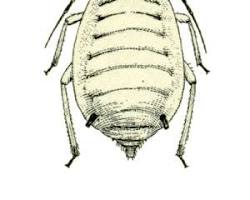
Adult Sorghum Aphids are very small insects measuring approximately 1–2 mm long.
- Appearance (Key ID): Soft-bodied, pear-shaped insect ranging from pale yellow to light green.
- Cornicles: Short, dark tube-like structures located on the rear of the abdomen.
- Legs and Antennae: Dark-tipped appendages that help distinguish them from other cereal aphids.
- Winged Forms: Produced when populations become crowded or environmental conditions change.
- Colonies: Often found clustered on the undersides of leaves.
- Conflict: Sap removal, honeydew accumulation, and crop yield reduction.
Distribution and Habitat
Sorghum Aphids occur throughout tropical, subtropical, and temperate agricultural regions where sorghum and sugarcane are grown.
In North America, they are particularly problematic throughout:
- Southern United States
- Great Plains sorghum-growing regions
- Southwestern agricultural areas
- Mexico
- Central America
The insects thrive in warm conditions and are commonly found on sorghum leaves, stems, and seed heads where they have direct access to plant sap.
Life Cycle
Sorghum Aphids undergo incomplete metamorphosis consisting of egg, nymph, and adult stages, although many populations reproduce primarily through parthenogenesis.
Nymph Stage
Young aphids resemble miniature adults and begin feeding immediately after birth.
Several molts occur before adulthood is reached.
Adult Stage
Adult females can reproduce without mating, giving birth to live young.
This reproductive strategy allows populations to increase extremely rapidly.
Winged Dispersal
When colonies become crowded or plant quality declines, winged adults develop and migrate to new host plants.
Multiple generations occur each growing season.
Feeding Behavior
Sorghum Aphids feed by inserting specialized piercing-sucking mouthparts into plant tissue and extracting phloem sap.
This feeding deprives plants of sugars and nutrients needed for growth and grain production.
- Phloem Feeding: Removes essential plant nutrients.
- Colony Formation: Thousands of aphids may occupy a single plant.
- Rapid Expansion: Populations can double every few days.
- Honeydew Production: Excess sugar is excreted onto plant surfaces.
Damage and Symptoms
Sorghum Aphids damage crops through both direct feeding and secondary effects associated with honeydew accumulation.
Direct Feeding Damage
- Yellowing of leaves
- Reddening or purpling of foliage
- Leaf curling
- Stunted growth
- Reduced grain production
- Premature plant death
Honeydew and Sooty Mold
One of the most distinctive signs of infestation is the production of large amounts of sticky honeydew.
This substance coats leaves and stems and encourages black sooty mold growth.
The mold reduces sunlight penetration and interferes with photosynthesis.
Harvest Problems
Heavy honeydew deposits can gum up harvesting equipment and create significant operational challenges during harvest.
Signs of Infestation
- Clusters of pale aphids on leaf undersides
- Sticky leaf surfaces
- Black sooty mold growth
- Yellowing or reddening foliage
- Reduced plant vigor
- Poor grain fill
- Premature plant decline
Early detection is critical because populations can increase explosively within a short period.
Economic Importance
Sorghum Aphids are capable of causing severe economic losses in commercial sorghum production.
Major impacts include:
- Reduced grain yields
- Lower grain quality
- Increased management costs
- Harvest inefficiencies
- Reduced photosynthetic capacity
- Crop failure during severe infestations
Outbreaks can develop rapidly and affect thousands of acres if left unmanaged.
Management and Control (IPM)
Integrated Pest Management is the preferred approach for controlling Sorghum Aphids.
Monitoring
- Inspect fields regularly.
- Check leaf undersides for colonies.
- Monitor honeydew accumulation.
- Track population growth throughout the season.
Resistant Varieties
Planting aphid-resistant sorghum hybrids provides one of the most effective long-term control strategies.
Biological Control
Numerous beneficial insects naturally suppress aphid populations.
- Lady beetles
- Lacewings
- Hoverflies
- Parasitic wasps
- Predatory bugs
Cultural Practices
- Plant early when feasible.
- Maintain adequate irrigation.
- Reduce plant stress.
- Manage volunteer host plants.
Chemical Control
Selective insecticides may be necessary when economic thresholds are exceeded.
Treatments are most effective when populations are detected early before widespread honeydew accumulation occurs.
Research and Future Management
Current research focuses on developing improved resistant hybrids, enhancing biological control programs, refining economic thresholds, and reducing dependence on chemical insecticides.
Scientists are also studying aphid migration patterns and resistance management strategies to improve long-term sustainability.
Conclusion
Sorghum Aphids are highly destructive sap-feeding pests capable of causing rapid and severe damage to sorghum crops. Their ability to reproduce quickly, remove plant nutrients, and produce large quantities of honeydew makes them one of the most challenging pests facing sorghum growers. Through vigilant monitoring, resistant varieties, conservation of beneficial insects, and integrated pest management practices, producers can successfully reduce infestations and protect crop yields.