Overview
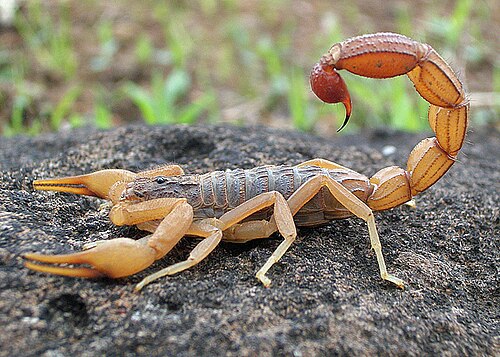
Scorpions are ancient predatory arachnids belonging to the order Scorpiones. They have inhabited Earth for more than 430 million years, making them one of the oldest surviving groups of terrestrial arthropods. Recognized by their powerful pincers, segmented tails, and venomous stingers, scorpions are found on every continent except Antarctica and thrive in a remarkable variety of environments.
More than 2,500 species of scorpions have been described worldwide. While they are often associated with deserts, many species inhabit forests, grasslands, caves, mountains, and tropical ecosystems. In the United States, approximately 90 species occur naturally, with the highest diversity found in the Southwest.
Although scorpions are frequently viewed as dangerous pests, most species are harmless to humans and play an important ecological role by controlling insect and arachnid populations.
Taxonomy and Classification
- Kingdom: Animalia
- Phylum: Arthropoda
- Class: Arachnida
- Order: Scorpiones
Scorpions are closely related to spiders, ticks, mites, and harvestmen. Fossil evidence indicates that early scorpions may have lived in aquatic environments before adapting to life on land during the Paleozoic Era.
Physical Description
Scorpions range dramatically in size, from species measuring less than 1 inch long to giants exceeding 9 inches in length.
Body Structure
The body consists of two primary sections:
- Prosoma (Cephalothorax): Contains the eyes, mouthparts, legs, and pincers.
- Opisthosoma (Abdomen): Divided into the mesosoma and metasoma (tail).
The metasoma ends in a specialized structure called the telson, which contains venom glands and a sharp stinger.
Pincers (Pedipalps)
Large pincers serve several purposes:
- Capturing prey
- Defense
- Courtship interactions
- Territorial disputes
Coloration
Scorpion coloration varies depending on habitat and species.
- Tan
- Yellow
- Brown
- Black
- Reddish-brown
Many desert species blend remarkably well with surrounding rocks and soil.
Distribution and Habitat
Scorpions occur in a wide variety of environments worldwide.
Common habitats include:
- Deserts
- Grasslands
- Tropical forests
- Scrublands
- Rocky canyons
- Caves
- Mountain regions
During the day, scorpions typically hide beneath:
- Rocks
- Logs
- Bark
- Leaf litter
- Woodpiles
- Building foundations
Most species are nocturnal and emerge after sunset to hunt.
Behavior and Ecology
Scorpions are ambush predators that rely on stealth and patience.
Hunting Strategy
Instead of actively chasing prey, most scorpions wait motionless until vibrations alert them to nearby insects or other small animals.
Specialized sensory hairs on their legs allow them to detect movement with remarkable precision.
Diet
Common prey includes:
- Crickets
- Beetles
- Cockroaches
- Spiders
- Centipedes
- Other scorpions
Larger species occasionally consume:
- Lizards
- Small snakes
- Rodents
- Young birds
Nocturnal Activity
Most scorpions avoid daytime heat and dehydration by remaining hidden during daylight hours. They become active at night when temperatures are cooler and humidity levels are higher.
Venom and Stings
All scorpions possess venom and are technically venomous animals. However, the potency of that venom varies greatly among species.
Purpose of Venom
- Subduing prey
- Defense against predators
- Competition with other arthropods
Human Health Risks
Most scorpion stings produce symptoms similar to a bee sting, including:
- Pain
- Burning sensations
- Localized swelling
- Numbness
Only a small number of species possess medically significant venom.
Arizona Bark Scorpion
The Arizona Bark Scorpion (Centruroides sculpturatus) is the most medically important scorpion in North America. Its sting can cause:
- Severe pain
- Muscle twitching
- Difficulty breathing
- Neurological symptoms
Children, elderly individuals, and those with compromised health are at the greatest risk of serious complications.
Life Cycle and Reproduction
Scorpions have one of the most fascinating reproductive systems among arachnids.
Courtship Dance
Before mating, the male and female engage in a ritual known as the promenade à deux, or courtship dance.
The pair grasp each other’s pincers and move together while the male searches for a suitable location to deposit a spermatophore.
Live Birth
Unlike many arthropods, scorpions give birth to live young.
Depending on species, females may produce:
- 10 to 100 offspring
Maternal Care
Newborn scorpions climb onto their mother’s back immediately after birth.
They remain there until completing their first molt, receiving protection during their most vulnerable stage.
This level of maternal care is relatively rare among arthropods.
Scorpions in the United States
Approximately 90 species occur naturally in the United States.
Notable Species
- Arizona Bark Scorpion (Centruroides sculpturatus): Most venomous North American species.
- Striped Bark Scorpion (Centruroides vittatus): Common across the southern United States.
- Giant Desert Hairy Scorpion (Hadrurus arizonensis): Largest North American scorpion.
- Florida Bark Scorpion (Centruroides gracilis): Occurs in Florida and portions of the Southeast.
- Northern Scorpion (Paruroctonus boreus): Found throughout western North America.
- Southern Devil Scorpion (Vaejovis carolinianus): Native to the Appalachian region.
Scorpions and Human Structures
Scorpions occasionally become household pests when they enter homes searching for food, moisture, or shelter.
Common Entry Points
- Foundation cracks
- Door gaps
- Window openings
- Utility penetrations
- Roof voids
Indoor Hiding Places
- Closets
- Garages
- Basements
- Bathrooms
- Stored boxes
- Shoes and clothing
Homes with abundant insect populations are more likely to support scorpion activity.
Management and Prevention (IPM)
Exclusion
- Seal foundation cracks.
- Install door sweeps.
- Repair window screens.
- Seal utility openings.
Habitat Modification
- Remove woodpiles.
- Reduce clutter.
- Trim vegetation away from buildings.
- Eliminate debris piles.
Reduce Prey Availability
Controlling insects around the home often reduces scorpion populations because it removes their primary food source.
Monitoring
Ultraviolet (UV) lights are highly effective for locating scorpions at night because their exoskeleton fluoresces a bright blue-green color.
Conservation and Research
Although many scorpion species remain common, habitat destruction and environmental changes threaten certain localized populations. Researchers continue studying scorpion ecology, venom chemistry, and biodiversity.
Scorpion venom has attracted significant scientific interest due to potential applications in medicine, including cancer research, neurological studies, and the development of new pharmaceuticals.
Conclusion
Scorpions are among the world’s oldest and most fascinating arachnids. Their unique anatomy, venomous stingers, maternal care, and remarkable adaptability have allowed them to survive for hundreds of millions of years. While a few species can pose medical concerns, the vast majority are beneficial predators that help regulate insect populations. Understanding their biology and behavior allows homeowners and pest professionals to manage conflicts effectively while appreciating the important ecological role these ancient creatures play.