The Arizona bark scorpion (Centruroides sculpturatus) is the most venomous scorpion species in North America and a significant pest concern throughout the Southwestern United States, particularly in Arizona. Known for its ability to climb walls and ceilings, this species frequently enters homes and structures, creating both nuisance and health risks for residents. Unlike many other scorpions that remain ground-dwelling, the Arizona bark scorpion’s climbing behavior allows it to access elevated spaces, including beds, furniture, and walls, increasing the likelihood of human encounters.
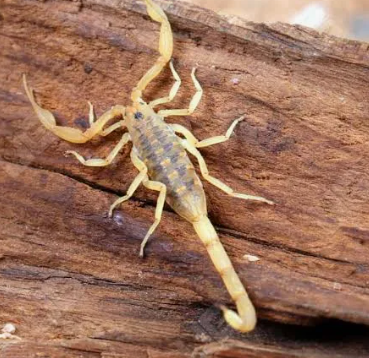
This species thrives in arid desert environments but adapts well to urban and suburban settings. Irrigation, landscaping, and artificial lighting create favorable microhabitats that support insect prey and provide shelter. As a result, bark scorpions are commonly found in residential neighborhoods, especially during warm months when activity peaks.
Identification
The Arizona bark scorpion is typically light tan to yellowish-brown, allowing it to blend seamlessly with desert surroundings. Adults generally measure between 2.5 to 3 inches in length. One of the most distinctive features is its slender body and elongated pincers, which are narrower compared to other scorpion species.
Under ultraviolet (UV) light, bark scorpions fluoresce a bright bluish-green color, making nighttime detection easier with a blacklight. This trait is commonly used by homeowners and pest control professionals to locate scorpions during nocturnal inspections.
Unlike many other scorpions, Arizona bark scorpions are capable climbers. They can scale vertical surfaces, including stucco, brick, and wood, and are often found on ceilings or high walls inside homes. This behavior distinguishes them from less mobile species and increases their potential for human contact.
Distribution and Habitat
The Arizona bark scorpion is primarily found in Arizona but also occurs in parts of Nevada, New Mexico, California, and northern Mexico. Within Arizona, it is especially prevalent in the Phoenix metropolitan area and surrounding desert regions.
In natural environments, bark scorpions inhabit rocky outcrops, tree bark, and crevices where they can avoid extreme heat during the day. In urban settings, they seek shelter in cracks, block walls, attics, garages, and landscaping features such as decorative rock, woodpiles, and irrigation systems.
Moisture plays a key role in their survival. Although they are desert-adapted, bark scorpions are often found near water sources such as irrigation lines, air conditioning units, and shaded garden areas where humidity is slightly higher.
Behavior and Activity
Arizona bark scorpions are nocturnal predators that emerge at night to hunt insects such as crickets, roaches, and other small arthropods. During the day, they remain hidden in protected areas to avoid heat and desiccation.
They are most active during the warmer months, typically from spring through early fall. Monsoon season often increases activity levels, as higher humidity and prey availability create ideal conditions for movement and feeding.
Unlike some solitary scorpion species, bark scorpions may be found in groups, particularly in sheltered areas. This clustering behavior can lead to higher localized populations within structures or landscapes.
Health Risks and Stings
The Arizona bark scorpion is medically significant due to its potent venom. While most stings are not life-threatening to healthy adults, they can cause intense pain, numbness, tingling, muscle twitching, and localized swelling. In some cases, symptoms may include difficulty breathing or involuntary movements.
Children, elderly individuals, and those with compromised health may experience more severe reactions. In rare cases, medical treatment may be required, including the use of antivenom.
Because bark scorpions can climb and access sleeping areas, stings often occur at night. Preventive measures such as shaking out bedding, checking shoes, and using bed leg barriers are commonly recommended in high-risk areas.
Prevention and Control
Effective control of Arizona bark scorpions requires a combination of exclusion, habitat modification, and pest management. Sealing cracks and gaps in foundations, walls, and doors helps prevent entry into structures. Weather stripping, door sweeps, and properly fitted screens are essential barriers.
Reducing outdoor harborage is equally important. Removing debris, trimming vegetation away from structures, and minimizing moisture sources can make the environment less attractive to scorpions. Eliminating insect prey through general pest control also reduces scorpion activity.
Professional pest control services often use targeted treatments and monitoring techniques, including blacklight inspections, to identify and manage infestations. Integrated Pest Management (IPM) strategies provide the most effective long-term control by addressing both scorpions and their food sources.