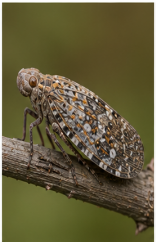
Planthoppers are a diverse group of sap-feeding insects belonging to the superfamily Fulgoroidea. With more than 12,000 known species worldwide, planthoppers range from tiny green insects that blend into vegetation to colorful, ornate species with elaborate waxy tails and unusual body shapes. These insects are recognized for their exceptional jumping ability, using powerful hind legs to escape predators or move rapidly between host plants.
While many planthoppers cause little noticeable damage, several species are considered serious agricultural pests. They weaken plants by removing sap, produce sticky honeydew that encourages sooty mold growth, and, most importantly, transmit destructive plant viruses and phytoplasmas. Rice, sugarcane, corn, grapes, fruit trees, and numerous ornamental plants are susceptible to damage from economically important planthopper species.
Taxonomy and Classification
Planthoppers belong to the order Hemiptera, commonly known as the true bugs, which also includes aphids, leafhoppers, cicadas, psyllids, and scale insects.
- Order: Hemiptera
- Suborder: Auchenorrhyncha
- Superfamily: Fulgoroidea
The superfamily contains numerous families, including Delphacidae, Flatidae, Fulgoridae, Cixiidae, and Issidae. Several species within these families are major agricultural pests due to their feeding habits and ability to spread plant diseases.
Physical Description
Planthoppers vary considerably in appearance, but most share several distinctive characteristics.
- Length: Approximately 5–20 mm depending on species.
- Color: Green, brown, tan, gray, or brightly patterned with reds, blues, or yellows.
- Wings: Held roof-like or tent-like over the body while resting.
- Hind Legs: Enlarged and adapted for powerful jumping.
- Mouthparts: Piercing-sucking stylets used to extract sap from plant tissues.
- Nymphs: Wingless immature stages often covered with fluffy white wax filaments.
Many species are excellent mimics, resembling leaves, thorns, bark, or small plant stems to avoid predators.
Distribution and Habitat
Planthoppers occur on every continent except Antarctica and inhabit nearly every terrestrial ecosystem containing suitable host plants.
Common habitats include:
- Agricultural fields
- Grasslands
- Gardens
- Forests
- Wetlands
- Orchards and vineyards
Different species specialize on grasses, shrubs, hardwood trees, palms, vines, or agricultural crops depending on their biology.
Behavior and Life Cycle
Planthoppers undergo incomplete metamorphosis, developing through egg, nymph, and adult stages.
Females insert eggs into plant stems, leaves, or bark using specialized egg-laying structures. Wingless nymphs hatch and immediately begin feeding on plant sap. As they grow, they molt several times before developing wings and becoming reproductive adults.
Most species produce one or more generations annually, while tropical species may reproduce continuously under favorable conditions.
When disturbed, planthoppers rapidly leap away using powerful hind legs, often covering distances many times their body length.
Damage and Economic Importance
Planthoppers damage plants through direct feeding and disease transmission.
- Sap Removal: Continuous feeding weakens plants, causing yellowing, wilting, and reduced growth.
- Honeydew Production: Excess sugar is excreted as sticky honeydew that promotes black sooty mold.
- Disease Transmission: Many species spread viruses, phytoplasmas, and other plant pathogens affecting economically important crops.
- Reduced Crop Yield: Heavy infestations may stunt plants, reduce flowering, and lower fruit or grain production.
- Ornamental Damage: Feeding can reduce the appearance and vigor of landscape plants.
Rice planthoppers, brown planthoppers, and sugarcane planthoppers are among the world’s most economically significant agricultural pests.
Management and Prevention
Integrated Pest Management (IPM) provides the most effective long-term control strategy.
- Regular Monitoring: Inspect susceptible crops for adults, nymphs, and feeding damage.
- Encourage Beneficial Insects: Lady beetles, lacewings, spiders, damsel bugs, and parasitic wasps naturally suppress planthopper populations.
- Reduce Weed Hosts: Remove alternate host plants that support developing populations.
- Use Resistant Varieties: Disease-resistant crop cultivars can reduce economic losses.
- Targeted Insecticides: Apply labeled products only when economic thresholds are exceeded and rotate active ingredients to reduce resistance.
- Cultural Practices: Proper irrigation, balanced fertilization, and crop rotation improve plant health and reduce pest pressure.
Conservation and Research
Although many planthoppers are agricultural pests, most species are harmless members of natural ecosystems. Researchers continue studying their relationships with host plants, disease transmission, migration patterns, and biological control agents. Advances in Integrated Pest Management emphasize conserving beneficial insects while reducing pesticide dependence and limiting the spread of economically important plant diseases.
Conclusion
Planthoppers are highly specialized sap-feeding insects that range from harmless woodland species to destructive agricultural pests capable of spreading serious plant diseases. Early monitoring, conservation of natural predators, and Integrated Pest Management remain the most effective strategies for protecting crops while maintaining ecological balance.