Pest Control Companies in Cottonwood, AZ
| Company Name | Service Area | Phone | Website |
|---|---|---|---|
| Yavapai Pest Control | Cottonwood, AZ | Email info@pestipedia.com to Add | Email info@pestipedia.com to Add |
| Prescott Pest & Termite Control | Cottonwood & Verde Valley | Email info@pestipedia.com to Add | Email info@pestipedia.com to Add |
| Conn Pest Control | Cottonwood & Sedona Area | Email info@pestipedia.com to Add | Email info@pestipedia.com to Add |
| Green Machine Pest Control | Verde Valley | Email info@pestipedia.com to Add | Email info@pestipedia.com to Add |
| Action Termite & Pest Control | Cottonwood Area | Email info@pestipedia.com to Add | Email info@pestipedia.com to Add |
| Truly Nolen Pest & Termite Control | Cottonwood & Prescott Valley | Email info@pestipedia.com to Add | Email info@pestipedia.com to Add |
| Orkin Pest Control | Serving Cottonwood | Email info@pestipedia.com to Add | Email info@pestipedia.com to Add |
| Terminix | Verde Valley Service Area | Email info@pestipedia.com to Add | Email info@pestipedia.com to Add |
| Yavapai Exterminating | Cottonwood, AZ | Email info@pestipedia.com to Add | Email info@pestipedia.com to Add |
| Eco Valley Pest Control | Cottonwood & Camp Verde | Email info@pestipedia.com to Add | Email info@pestipedia.com to Add |
| Patriot Pest & Termite | Verde Valley | Email info@pestipedia.com to Add | Email info@pestipedia.com to Add |
| Guardian Pest Control | Cottonwood Area | Email info@pestipedia.com to Add | Email info@pestipedia.com to Add |
| Preventive Pest Control | Serving Cottonwood | Email info@pestipedia.com to Add | Email info@pestipedia.com to Add |
| Green Home Pest Control | Verde Valley | Email info@pestipedia.com to Add | Email info@pestipedia.com to Add |
| EcoGuard Pest Solutions | Cottonwood & Sedona | Email info@pestipedia.com to Add | Email info@pestipedia.com to Add |
| Blue Sky Pest Control | Serving Cottonwood | Email info@pestipedia.com to Add | Email info@pestipedia.com to Add |
| Arizona Pest Prevention | Verde Valley | Email info@pestipedia.com to Add | Email info@pestipedia.com to Add |
| All Seasons Pest Control | Cottonwood Area | Email info@pestipedia.com to Add | Email info@pestipedia.com to Add |
| Bug Guardian Pest Solutions | Cottonwood & Prescott | Email info@pestipedia.com to Add | Email info@pestipedia.com to Add |
| Desert Shield Pest Control | Verde Valley Service Area | Email info@pestipedia.com to Add | Email info@pestipedia.com to Add |
Most Dangerous Pests in Cottonwood, AZ
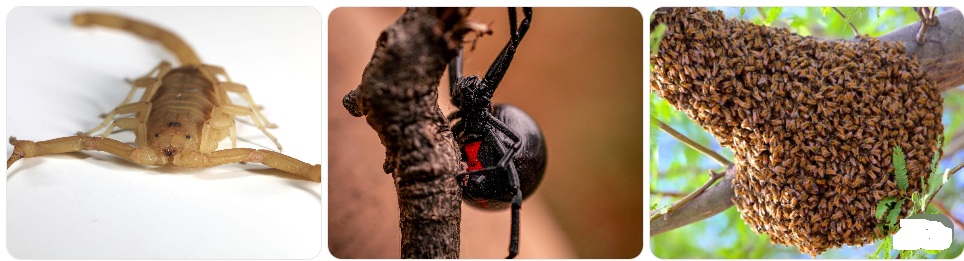
While many pests in Cottonwood are primarily nuisance invaders, several species pose heightened risks due to venomous stings, painful bites, structural damage, or potential health concerns. The Verde Valley’s warm climate, desert terrain, and proximity to natural habitats create ideal conditions for these pests to thrive.
Residents and business owners should remain aware of the following pests considered among the most dangerous in Cottonwood, Arizona:
Arizona Bark Scorpions
The Arizona bark scorpion is the most venomous scorpion in North America. These nocturnal pests hide in cracks, wall voids, and outdoor debris during the day and may enter homes in search of water or prey. Stings can cause intense pain, numbness, and in rare cases medical complications, particularly for children or pets.
Black Widow Spiders
Black widows are recognizable by their shiny black bodies and red hourglass markings. Their venom can trigger muscle cramps, pain, and systemic symptoms, making them one of the more medically significant spider species found around Cottonwood homes, sheds, and garages.
Africanized Honey Bees
Africanized honey bees are present throughout Arizona and may display defensive swarm behavior when nests are disturbed. Multiple stings can present serious risks, especially for individuals with allergies. Colonies may establish nests in wall voids, trees, utility boxes, and outdoor structures.
Rodents (Pack Rats & Roof Rats)
Rodents pose risks through contamination, property damage, and fire hazards caused by gnawed wiring. Pack rats are particularly common in Cottonwood and may nest in vehicles, attics, and landscaping, while roof rats can invade structures and spread pathogens.
Subterranean Termites
Although not directly harmful to people, subterranean termites represent one of the most destructive structural pests in Cottonwood. Colonies feed on wood and cellulose materials, potentially causing costly damage before infestations are detected.
Mosquitoes
Mosquitoes can transmit diseases and create persistent outdoor nuisance conditions, especially during warmer months and following seasonal moisture events. Standing water around properties increases breeding opportunities.
Why Awareness Matters
Many dangerous pests remain hidden until populations increase or encounters occur. Early identification, habitat modification, and routine pest inspections are essential for reducing risks associated with venomous species, structural pests, and disease vectors.
Professional pest control services in Cottonwood often recommend preventative treatments and integrated pest management strategies to minimize exposure to these high-risk pests throughout the year.