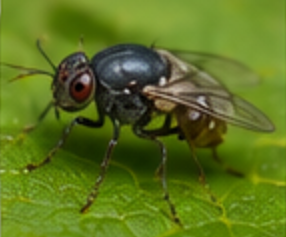
Marsh Flies are slender, long-legged flies commonly associated with wetlands, marshes, ponds, streams, and other moist environments. The name is frequently applied to members of the family Sciomyzidae, also known as Snail-Killing Flies, although the term may occasionally be used more broadly for flies inhabiting marshland environments. Many sciomyzid marsh flies are ecologically important because their larvae prey on or develop in association with freshwater and terrestrial snails. Unlike mosquitoes, biting midges, and horse flies, marsh flies are not generally blood-feeding insects and do not pose a significant threat to humans. Their presence usually indicates suitable wetland habitat rather than an infestation requiring control. Understanding their identification, life cycle, feeding behavior, and ecological importance helps distinguish these beneficial insects from nuisance flies.
Taxonomy and Classification
Marsh flies commonly belong to the family Sciomyzidae within the order Diptera, which includes true flies. Members of this family are particularly notable for their association with mollusks during larval development.
- Common Names: Marsh Flies, Snail-Killing Flies
- Scientific Family: Sciomyzidae
- Kingdom: Animalia
- Phylum: Arthropoda
- Class: Insecta
- Order: Diptera
- Family: Sciomyzidae
- Representative Genera: Sciomyza, Tetanocera, Sepedon, and Renocera
- Insect Type: Wetland-associated true fly
- Primary Habitat: Marshes, ponds, wetlands, and moist vegetation
- Ecological Role: Predators or parasitoids of snails and other mollusks
The family contains hundreds of described species worldwide, with considerable variation in appearance, habitat preferences, and larval feeding behavior.
Physical Description and Identification
Adult marsh flies are typically medium-sized, slender insects with long legs and narrow bodies. Their coloration often blends with grasses, reeds, and other wetland vegetation.
Key Identification Features
- Size: Commonly approximately 3–12 millimeters long, depending on species.
- Body Shape: Slender and elongated.
- Color: Yellowish-brown, tan, gray, or dark brown.
- Head: Relatively prominent with large compound eyes.
- Antennae: Short to moderately elongated, depending on species.
- Legs: Usually long and slender.
- Wings: One functional pair, sometimes displaying dark spots or patterned markings.
- Abdomen: Narrow and elongated.
Some marsh flies have noticeably patterned wings, while others possess relatively clear wings. Certain species in the genus Tetanocera are recognizable by their elongated heads and distinctive body proportions.
Larval Identification
Marsh fly larvae are soft-bodied, legless maggots that typically develop in wet environments or in association with snails.
Their appearance varies according to species and feeding habits. Larvae are generally pale, elongated, and adapted to moving through moist vegetation, mud, or mollusk tissues.
Distribution and Habitat
Marsh flies occur in many regions of the world, including North America, Europe, Asia, Africa, and other areas containing suitable wetland habitats.
Common habitats include:
- Freshwater marshes and swamps.
- Ponds and lake margins.
- Slow-moving streams.
- Wet meadows and grasslands.
- Drainage ditches.
- Floodplain vegetation.
- Moist woodland edges.
- Wetlands containing abundant snail populations.
Adult flies are frequently observed resting on reeds, grasses, sedges, and broadleaf plants near water.
Some species are associated with aquatic snails, while others inhabit damp terrestrial environments containing land snails and slugs.
Life Cycle and Reproduction
Marsh flies undergo complete metamorphosis, developing through egg, larva, pupa, and adult stages.
Egg Stage
Female marsh flies deposit eggs in locations associated with suitable larval food sources. Depending on the species, eggs may be placed on vegetation, near snails, or directly on mollusk hosts.
Egg development is influenced by temperature, moisture, and species-specific environmental conditions.
Larval Stage
After hatching, larvae begin feeding according to their species’ specialized habits.
Many sciomyzid larvae prey on snails, while others develop as parasitoids or scavengers associated with mollusks.
Some larvae actively search for prey, whereas others remain closely associated with individual hosts.
Pupal Stage
After completing larval development, marsh flies enter the pupal stage. Pupation may occur in moist soil, vegetation, or other protected locations.
During this stage, the developing insect transforms into an adult fly.
Adult Stage
Adult marsh flies emerge, disperse through suitable habitats, mate, and reproduce.
Depending on species and climate, marsh flies may produce one or several generations annually.
Feeding Behavior and Diet
Marsh flies are especially important because of the feeding habits of their larvae. Many species help regulate populations of snails and other mollusks.
Larval Food Sources
- Freshwater snails.
- Terrestrial snails.
- Slugs in certain species.
- Mollusk eggs.
- Dead or weakened mollusks in some species.
Adult marsh flies generally feed on nectar, plant secretions, or other accessible liquid food sources, although feeding habits differ among species.
They do not typically seek humans or mammals for blood meals.
Marsh Flies and Snail Population Control
One of the most interesting characteristics of the Sciomyzidae family is its potential importance in natural snail population regulation.
Some aquatic snails serve as intermediate hosts for parasitic flatworms responsible for diseases affecting humans and livestock.
Because certain marsh fly larvae attack snails, researchers have investigated their potential use in biological control programs.
However, the effectiveness of marsh flies as biological control agents depends on species, environmental conditions, and the particular snail populations involved.
Marsh flies should not be introduced into new environments without appropriate scientific evaluation and regulatory approval.
Damage and Signs of Marsh Fly Activity
Marsh flies are generally not considered destructive pests. They do not typically damage crops, infest stored food, or attack structural wood.
Occasionally, large numbers of adult flies may be noticed near ponds, drainage areas, or wetland vegetation.
Common Signs of Marsh Flies
- Adult Flies: Slender flies resting on wetland plants.
- Activity Near Water: Adults gathering around ponds, marshes, and drainage channels.
- Snail Associations: Larvae developing in areas containing freshwater or terrestrial snails.
- Seasonal Abundance: Increased sightings during warm or wet periods.
- Vegetation Resting Sites: Flies perched on grasses, reeds, and broadleaf plants.
The presence of marsh flies alone is not evidence of a harmful infestation.
Are Marsh Flies Dangerous?
Marsh flies in the family Sciomyzidae are generally harmless to humans and pets.
They do not sting, are not recognized as significant biting pests, and are not known to be important direct vectors of human disease.
Unlike mosquitoes and certain biting flies, they do not require blood meals for reproduction.
Most encounters occur outdoors near moist vegetation, where the insects are performing their natural ecological functions.
Marsh Flies vs. Similar Wetland Insects
Marsh flies can be confused with several other fly groups commonly found near water.
- Mosquitoes: Slender flies with long mouthparts; females of many species feed on blood.
- Crane Flies: Usually much longer-legged insects that resemble oversized mosquitoes.
- Dance Flies: Predatory flies that may gather around vegetation and moist habitats.
- Shore Flies: Small flies associated with algae, wet soil, and shoreline environments.
- Fungus Gnats: Small, delicate flies commonly associated with damp soil and organic matter.
- Marsh Flies: Often slender, long-legged flies whose larvae are associated with snails and other mollusks.
Accurate identification is important because many wetland flies have very different feeding habits and management requirements.
Management and Integrated Pest Management (IPM)
Because marsh flies are generally beneficial and rarely create significant nuisance problems, control is usually unnecessary.
1. Confirm the Species
Identify the insects before considering management. Many flies found near wetlands resemble mosquitoes or other nuisance species.
2. Tolerate Normal Marsh Fly Activity
Marsh flies are natural components of healthy wetland ecosystems. Their presence should generally be considered beneficial rather than harmful.
3. Maintain Proper Drainage Around Buildings
Repair unnecessary standing-water problems around foundations, patios, and structures. Avoid draining or altering natural wetlands solely to discourage harmless marsh flies.
4. Use Window and Door Screens
Install or repair screens to prevent occasional adult flies from entering homes and other buildings.
5. Maintain Outdoor Water Features
Keep ornamental ponds and drainage systems functioning properly. Appropriate water circulation and maintenance can help manage general nuisance insect activity without eliminating beneficial wetland organisms.
6. Avoid Unnecessary Insecticide Applications
Broad-spectrum insecticides may harm pollinators, aquatic insects, and other beneficial organisms. Chemical control is rarely justified for sciomyzid marsh flies.
7. Preserve Natural Predators
Birds, spiders, predatory insects, and other wildlife may feed on adult marsh flies and contribute to natural population regulation.
Preventing Unwanted Marsh Fly Activity
- Maintain window and door screens.
- Repair leaking outdoor plumbing.
- Manage unnecessary standing water near buildings.
- Keep ornamental ponds properly maintained.
- Avoid excessive outdoor lighting near open windows.
- Identify wetland insects before applying treatments.
- Preserve natural wetland habitats whenever possible.
- Encourage biodiversity and beneficial insect populations.
Ecological Importance
Marsh flies contribute to wetland food webs through their relationships with mollusks and other organisms.
Larvae of many species act as predators or parasitoids of snails, potentially influencing mollusk populations and associated ecological processes.
Adult marsh flies also provide food for birds, spiders, and predatory insects.
Because many species depend on healthy wetland habitats, their presence can contribute to understanding the biodiversity and ecological condition of marshes and other moist environments.
Conclusion
Marsh Flies are fascinating wetland-associated insects best known for their relationship with snails and other mollusks. Although their slender bodies and long legs may cause them to be mistaken for mosquitoes or other nuisance flies, members of the family Sciomyzidae are generally harmless and often ecologically beneficial.
Effective management begins with correct identification and an understanding of their natural role. In most situations, marsh flies require no direct control. Maintaining appropriate drainage around buildings while preserving healthy wetland habitats offers a practical balance between property management and insect conservation.