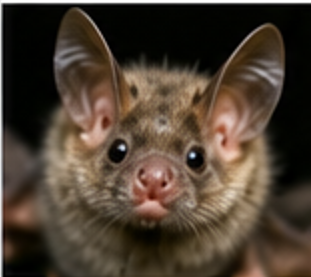
Mouse-eared Bats – Identification, Habitat, Roosting Habits, and Humane Management
Mouse-eared Bats are small to medium-sized insect-eating mammals belonging primarily to the genus Myotis, one of the most widespread and diverse groups of bats in the world. These bats are recognized by their relatively small ears, delicate facial features, and specialized ability to navigate and hunt using echolocation. Mouse-eared bats inhabit forests, grasslands, wetlands, caves, and urban environments, where they consume large quantities of flying and ground-dwelling insects. Although they provide valuable natural pest control, some species occasionally roost in attics, barns, bridges, and other structures, creating concerns about droppings, noise, and potential human exposure. Understanding their identification, life cycle, behavior, and humane management is essential for protecting both property and these ecologically important mammals.
Taxonomy and Classification
Mouse-eared bats belong to the family Vespertilionidae, commonly known as vesper bats. The genus Myotis includes numerous species distributed across much of the world.
- Common Name: Mouse-eared Bats
- Scientific Name: Myotis spp.
- Kingdom: Animalia
- Phylum: Chordata
- Class: Mammalia
- Order: Chiroptera
- Family: Vespertilionidae
- Genus: Myotis
- Animal Type: Insectivorous bat
- Primary Habitat: Forests, caves, wetlands, buildings, and other sheltered environments
Representative species include the little brown bat (Myotis lucifugus), northern long-eared bat (Myotis septentrionalis), greater mouse-eared bat (Myotis myotis), and California myotis (Myotis californicus).
Although many members of the genus are commonly grouped as mouse-eared bats, individual species differ significantly in size, appearance, habitat preferences, and conservation status.
Physical Description and Identification
Mouse-eared bats are generally small, lightweight mammals with compact bodies, short fur, and broad wings formed from thin membranes of skin stretched between elongated finger bones.
Key Identification Features
- Body Length: Commonly approximately 1.5–4 inches, although larger species may exceed this range.
- Wingspan: Varies by species, commonly ranging from approximately 8–16 inches.
- Weight: Usually a few grams to several tens of grams.
- Fur: Brown, gray, reddish-brown, or nearly black depending on species.
- Ears: Relatively small to moderately elongated, often with a noticeable tragus.
- Eyes: Small but functional.
- Wings: Thin, flexible membranes supported by elongated fingers.
- Tail: Usually enclosed largely within the tail membrane.
- Teeth: Small, sharp teeth adapted for consuming insects.
Accurate species identification can be difficult because many Myotis bats look similar. Specialists may use measurements, echolocation recordings, geographic distribution, and genetic testing to distinguish closely related species.
Distribution and Habitat
Mouse-eared bats occur across North America, Europe, Asia, Africa, and other regions. Their broad distribution reflects their ability to occupy many different habitats.
Common habitats include:
- Deciduous and coniferous forests.
- Woodland edges and clearings.
- Rivers, lakes, and wetlands.
- Grasslands and agricultural landscapes.
- Caves and abandoned mines.
- Rock crevices and cliffs.
- Bridges and culverts.
- Attics, barns, and other sheltered buildings.
Many species prefer habitats with abundant insect prey and access to suitable daytime roosts.
Roosting Behavior and Shelter
Mouse-eared bats spend daylight hours resting in protected roosting locations. Their preferred shelters vary according to species, season, reproductive condition, and local climate.
Common Roosting Sites
- Caves and underground chambers.
- Tree cavities and loose bark.
- Rock cracks and crevices.
- Building attics.
- Barns and sheds.
- Bridges and expansion joints.
- Abandoned structures.
Some species form large maternity colonies, while others roost individually or in small groups.
Roost temperatures are particularly important during reproduction because developing young require suitable conditions for growth.
Life Cycle and Reproduction
Mouse-eared bats are mammals that give birth to live young and nurse them with milk. Their reproductive cycles are closely linked to seasonal food availability.
Mating
In many temperate species, mating occurs during late summer or autumn. Females may store sperm until conditions are suitable for fertilization.
Pregnancy
Pregnancy generally occurs during spring or early summer, although timing varies with species and climate.
Birth
Many species typically produce one offspring per year, although litter size differs among species.
Newborn bats are unable to fly and depend on maternal care.
Juvenile Development
Young bats remain in maternity roosts while their mothers leave to forage. They gradually develop fur, strength, and flight capabilities.
Depending on the species, juveniles may begin flying within several weeks of birth.
Adult Stage
Adult mouse-eared bats may survive for many years in the wild. Some species have documented lifespans exceeding two decades.
Their relatively slow reproductive rates make populations vulnerable to habitat loss and repeated disturbances.
Feeding Behavior and Diet
Mouse-eared bats are primarily insectivorous and play important roles in regulating nocturnal insect populations.
Common Prey
- Moths.
- Beetles.
- Flies.
- Mosquitoes.
- Midges.
- Caddisflies.
- Mayflies.
- Other small insects.
Some species capture flying insects in midair, while others collect insects from leaves, branches, or the ground.
Feeding preferences depend on the bat species, habitat, and seasonal availability of prey.
Echolocation and Hunting
Mouse-eared bats use echolocation to navigate and locate prey in darkness.
They emit high-frequency sounds and interpret returning echoes to determine the location, size, and movement of nearby objects.
This remarkable sensory ability allows them to capture small insects while avoiding obstacles during nighttime flight.
Different species produce characteristic echolocation calls, which researchers use to monitor bat activity and identify species groups.
Hibernation and Seasonal Activity
Many mouse-eared bats in temperate regions enter hibernation during winter when insects become scarce.
Hibernating bats reduce their metabolic activity, body temperature, and heart rate to conserve stored energy.
Suitable hibernation sites include caves, mines, and other protected locations with relatively stable temperatures and humidity.
Not all species hibernate. Some remain active in warmer climates or move seasonally between summer and winter habitats.
Signs of Mouse-eared Bats in Buildings
Although mouse-eared bats are beneficial outdoors, colonies occupying buildings may create sanitation and maintenance concerns.
Common Signs of Bat Activity
- Droppings: Small, dark pellets accumulating beneath roosting areas.
- Evening Activity: Bats emerging from rooflines or building openings around dusk.
- Scratching Sounds: Light movement noises within walls, attics, or ceiling spaces.
- Staining: Dark marks around frequently used entry points.
- Odors: Strong smells associated with substantial accumulations of guano and urine.
- Visible Roosts: Bats resting beneath roof structures or inside sheltered cavities.
Bat droppings may resemble mouse droppings, but bat guano often crumbles to reveal small insect fragments.
Are Mouse-eared Bats Dangerous?
Mouse-eared bats are not normally aggressive toward humans and generally avoid direct contact.
However, like other bats, they can present certain health concerns when handled or when large colonies occupy enclosed spaces.
Rabies
Bats can carry rabies, although most bats are not infected. A bat bite may be difficult to recognize because of the animal’s small teeth.
Anyone who has been bitten or scratched by a bat, or who may have experienced direct contact while asleep or otherwise unable to assess exposure, should contact a healthcare professional or local public health department promptly for guidance.
Histoplasmosis
Large accumulations of bat guano can create conditions favorable for the fungus Histoplasma, which may cause respiratory illness when contaminated dust is inhaled.
Professional cleanup is recommended for substantial guano deposits. Avoid sweeping or vacuuming dry accumulations without appropriate containment and protective procedures.
Mouse-eared Bats vs. Similar Bats
Mouse-eared bats can resemble several other small insect-eating bat species.
- Little Brown Bats: Members of the genus Myotis with brown fur and relatively small ears.
- Big Brown Bats: Generally larger and more robust bats belonging to the genus Eptesicus.
- Evening Bats: Small brown bats that may roost in trees and buildings.
- Tri-colored Bats: Small bats with distinctly banded hairs and relatively delicate bodies.
- Long-eared Bats: Bats with noticeably elongated ears, including some species within the genus Myotis.
Because visual identification can be unreliable, species confirmation may require professional assessment.
Management and Integrated Pest Management (IPM)
Mouse-eared bat management should prioritize humane exclusion, public safety, and wildlife conservation. Many bat species are protected by federal, state, or local regulations.
1. Confirm Bat Activity
Observe suspected entry points around dusk to determine whether bats are entering or leaving the building.
2. Identify Entry Points
Inspect rooflines, vents, soffits, siding gaps, and other openings. Bats can enter through surprisingly small spaces.
3. Avoid Exclusion During Maternity Season
Do not seal entry points while flightless young may be present. Exclusion during maternity season can trap young bats inside and create serious animal welfare and sanitation problems.
4. Use Humane One-Way Exclusion Devices
When legally permitted and seasonally appropriate, qualified wildlife professionals may install one-way devices that allow bats to leave without reentering.
5. Seal Openings After Departure
Once all bats have safely left, permanently seal entry points using suitable building materials.
6. Clean Contaminated Areas Safely
Arrange appropriate cleanup of guano and contaminated insulation. Large deposits should be handled by trained professionals using suitable respiratory protection and containment.
7. Avoid Poisons and Harmful Repellents
Poisoning, fumigation, and other lethal methods are inappropriate and may violate wildlife protection laws. Ultrasonic repellents are not reliable substitutes for proper exclusion.
8. Consult Wildlife Specialists
Seek assistance from qualified bat exclusion professionals or wildlife agencies, particularly when protected species may be involved.
Preventing Mouse-eared Bat Problems
- Inspect buildings for gaps around roofs and siding.
- Maintain intact vent screens and chimney caps where appropriate.
- Repair damaged soffits and exterior trim.
- Schedule exclusion outside sensitive reproductive periods.
- Avoid handling bats directly.
- Keep bats out of occupied indoor spaces.
- Use professional assistance for substantial guano cleanup.
- Preserve natural roosting habitats whenever possible.
- Follow applicable wildlife protection regulations.
Ecological Importance
Mouse-eared bats provide valuable ecosystem services by consuming insects, including species that affect agriculture, forestry, and human comfort.
They also contribute to food webs as prey for owls, hawks, snakes, and other predators.
Some populations face serious conservation threats, including habitat loss, disturbance of hibernation sites, and white-nose syndrome, a fungal disease that has caused major declines among several North American bat species.
Protecting suitable roosting and foraging habitats is important for maintaining healthy bat populations.
Conclusion
Mouse-eared Bats are important insect-eating mammals that contribute to natural pest control and ecological balance. Their small size, nocturnal behavior, and ability to navigate using echolocation make them highly specialized members of forest, wetland, and urban ecosystems.
Although bats occasionally roost in buildings and create sanitation concerns, they should be managed through humane exclusion rather than lethal control. Proper identification, seasonal timing, safe cleanup, and professional guidance can protect buildings while conserving these valuable and sometimes vulnerable mammals.