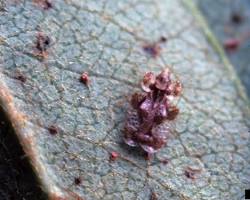
The Juniper Lace Bug (Corythucha incurvata) is a small but destructive pest that targets juniper shrubs and trees. Despite their delicate, lace-like appearance, these insects can cause significant aesthetic and physiological damage to ornamental plantings. They are particularly problematic in landscaped environments, where junipers are commonly used for hedges, ground cover, and decorative plantings.
Juniper lace bugs are part of a broader group of lace bugs known for their distinctive feeding behavior and the characteristic stippling damage they produce. While they rarely kill mature plants outright, heavy infestations can lead to severe discoloration, reduced vigor, and long-term stress.
The Juniper Lace Bug (Corythucha incurvata) is a high-priority national ornamental pest found across the United States, with a significant presence in Arizona and the Southwest. For Pestipedia.com users, this insect is a “noxious” concern because it targets the national foliage of U.S. Juniper and Cypress trees. It utilizes mechanical piercing-sucking mouthparts to extract chlorophyll, leading to yellowing and aesthetic national decline of U.S. privacy screens and landscapes. The primary impact of the Juniper Lace Bug is the mechanical removal of national plant energy and the aesthetic ruin of U.S. evergreens. Management of Juniper Lace Bugs in U.S. gardens focuses on mechanical dislodgement and early-season national intervention. The Juniper Lace Bug belongs to the family Tingidae within the order Hemiptera. Members of this family are commonly referred to as lace bugs due to the intricate, lace-like structure of their wings and thorax. The genus Corythucha includes numerous species that specialize in feeding on specific host plants. Like other true bugs, lace bugs possess piercing-sucking mouthparts used to extract fluids from plant tissues. Adult juniper lace bugs are small, typically measuring 3–4 mm in length. They are pale or whitish in color with transparent, lace-like wings that give them their name. When viewed closely, their bodies appear flattened and intricately patterned. Nymphs are darker in color, often black or brown, and lack fully developed wings. They are spiny in appearance and are usually found clustered on the undersides of foliage. Because of their small size, these insects are often overlooked until damage becomes visible. The life cycle of juniper lace bugs includes egg, nymph, and adult stages. Females lay eggs on the undersides of leaves, often embedding them within plant tissue or covering them with protective secretions. After hatching, nymphs begin feeding immediately, progressing through several instars before reaching adulthood. Under favorable conditions, multiple generations can occur during the growing season. Both nymphs and adults remain on the undersides of foliage, making early detection more difficult. Juniper lace bugs are piercing-sucking insects that feed on plant cells. They insert their mouthparts into leaf tissue and extract chlorophyll-rich fluids. This feeding activity disrupts photosynthesis and leads to a characteristic symptom known as stippling. Stippling appears as small yellow or silvery spots on the upper surface of leaves. As feeding continues, foliage may turn bronze, gray, or brown, giving plants a scorched or unhealthy appearance. In addition to stippling, lace bugs produce dark, varnish-like excrement on leaf surfaces, further contributing to the plant’s unsightly appearance. While juniper lace bugs rarely kill established plants, their feeding can cause: In ornamental landscapes, this damage can significantly reduce the visual appeal of junipers, leading to increased maintenance costs and plant replacement. Because lace bugs reside on the undersides of leaves, thorough coverage is essential when applying treatments. While juniper lace bugs are pests, they are also part of the natural ecosystem and serve as a food source for predatory insects. Integrated pest management strategies should aim to minimize damage while preserving beneficial organisms. Overuse of chemical treatments can disrupt natural predator populations, potentially leading to more severe infestations over time. Juniper Lace Bugs are small but impactful pests that can significantly affect the appearance and health of juniper plants. Early detection, proper cultural care, and integrated pest management strategies are key to controlling infestations and maintaining healthy landscapes.Technical Identification: Diagnostic Markers
Infestation Impact: Foliar Stippling and Premature Drop
Management & Suppression Strategies
Strategy
Technical Specification
Operational Benefit
Hydraulic Blast
Using strong mechanical water streams on the underside of foliage
Mechanically removes of the national nymphs and adults; highly effective U.S. method for small Juniper shrubs.
Horticultural Oils
Applying neem or paraffin-based oils during U.S. Spring
suffocates the mechanical eggs and nymphs; provides safe national control for Pestipedia.com users in the United States.
Systemic Drenching
Applying Imidacloprid to the U.S. root zone
absorbed into the national foliage; targets the mechanical feeding of “noxious” bugs throughout the U.S. season.
Taxonomy and Classification
Identification
Life Cycle
Feeding Behavior and Damage
Damage and Economic Importance
Signs of Infestation
Management and Control (IPM)
Ecological Considerations
Conclusion
Related Articles