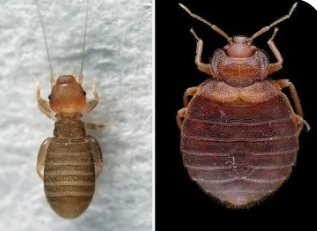
Booklice are tiny soft-bodied insects belonging to the order Psocodea, a group that also includes barklice and parasitic lice. Despite their common name, booklice are not true lice and do not live on humans or animals. Instead, these insects feed primarily on mold, fungi, starches, and microscopic organic debris found in damp environments. Booklice are commonly encountered indoors in humid areas such as basements, bathrooms, kitchens, pantries, libraries, and storage rooms.
Because of their tiny size and pale coloration, booklice often go unnoticed until populations become large. Although they are harmless to humans, their presence usually indicates excessive indoor humidity or moisture problems that encourage mold growth.
Quick Facts
- Order: Psocodea
- Common Names: Booklice, Psocids
- Habitat: Humid indoor areas and stored materials
- Diet: Mold, fungi, starches, organic debris
- Status: Household nuisance pest
Identification
Booklice are extremely small insects that usually measure:
- Less than 1 millimeter long
They possess:
- Soft delicate bodies
- Pale white, gray, or light brown coloration
- Long threadlike antennae
- Small heads with chewing mouthparts
- Slow crawling movements
Most indoor species are wingless, although some outdoor relatives possess wings.
Because of their size, booklice are frequently mistaken for:
- Dust particles
- Mites
- Tiny termites
- Immature insects
Unlike true lice, booklice:
- Do not bite humans
- Do not feed on blood
- Do not infest pets
- Do not spread diseases directly
They are commonly seen crawling slowly across:
- Books
- Paper products
- Cardboard boxes
- Stored foods
- Wallpaper
- Wood shelving
Distribution and Habitat
Booklice occur worldwide and thrive in warm, humid environments where mold and fungi can develop.
Indoors, they are commonly found in:
- Bathrooms
- Kitchens
- Basements
- Attics
- Libraries
- Storage rooms
- Pantries
They are especially attracted to environments with:
- High humidity
- Poor ventilation
- Water leaks
- Damp paper products
- Mold growth
Booklice are often associated with:
- Old books
- Stored cereal products
- Wallpaper glue
- Cardboard packaging
- Dust accumulation
Outdoor populations may live beneath bark, in leaf litter, or within bird nests where moisture levels remain elevated.
Life Cycle
Booklice undergo incomplete metamorphosis consisting of three primary stages:
- Egg
- Nymph
- Adult
Females lay tiny eggs in protected humid areas near food sources.
After hatching, nymphs resemble miniature adults but lack full reproductive development.
Under favorable conditions, development can occur rapidly.
Warm temperatures combined with high humidity allow populations to increase quickly indoors.
Some species reproduce without mating through a process called parthenogenesis, which allows females to produce offspring independently.
This reproductive ability can contribute to sudden indoor infestations.
Behavior
Booklice are highly dependent on moisture and usually remain hidden in damp protected environments.
They feed primarily on:
- Mold spores
- Microscopic fungi
- Starches
- Organic debris
- Wallpaper paste
- Paper coatings
Because mold growth increases in humid environments, booklice populations often rise after:
- Flooding
- Water leaks
- Periods of high humidity
- Poor indoor ventilation
Booklice are slow-moving insects and usually avoid bright light.
They are most active in:
- Damp storage areas
- Closets
- Bookshelves
- Pantries
- Areas with accumulated moisture
Pest Status
Booklice are considered nuisance pests rather than dangerous insects.
Although they do not cause structural damage like termites or carpenter ants, they may:
- Contaminate stored foods
- Damage paper materials
- Infest book collections
- Indicate moisture problems
Heavy infestations may occur in:
- Libraries
- Archives
- Museums
- Food storage facilities
- Humid homes
Some individuals may mistake booklice for bed bugs or lice because of their tiny size.
However, booklice are harmless and do not bite humans.
Signs of Infestation
Common signs of booklice activity include:
- Tiny pale insects crawling on surfaces
- Insects inside stored food packaging
- Book damage or spotting
- Visible mold growth
- Increased activity in humid rooms
Infestations are especially common around:
- Damp cardboard boxes
- Old books
- Stored grains
- Wallpaper seams
- Window condensation areas
Prevention
Controlling moisture is the most effective way to prevent booklice infestations.
Recommended prevention methods include:
- Reduce indoor humidity below 50%
- Improve airflow and ventilation
- Repair water leaks promptly
- Use dehumidifiers in damp rooms
- Store dry goods in sealed containers
- Keep storage areas clean and dry
- Discard mold-infested materials
Proper ventilation is especially important in:
- Bathrooms
- Basements
- Kitchens
- Storage closets
Control
Most booklice infestations disappear naturally once humidity levels are reduced.
Common control methods include:
- Dehumidifiers
- Improved ventilation
- Cleaning moldy surfaces
- Vacuuming infested materials
- Discarding heavily infested items
Chemical treatments are rarely necessary because moisture reduction usually eliminates the insects.
Severe infestations in storage facilities or libraries may occasionally require professional pest management.
Ecological Importance
Although nuisance pests indoors, booklice play beneficial ecological roles outdoors.
They help decompose:
- Fungi
- Mold
- Dead organic matter
- Plant debris
Booklice also serve as food for:
- Spiders
- Mites
- Predatory insects
- Small arthropods
Interesting Facts
- Booklice are not true lice.
- Many species reproduce without mating.
- High humidity is essential for survival.
- They feed primarily on mold and fungi.
- Booklice are often mistaken for dust mites.
- Reducing humidity usually eliminates infestations naturally.