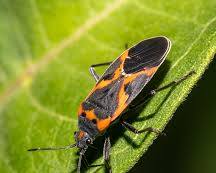
The Small Milkweed Bug (Lygaeus kalmii) is a brightly colored true bug commonly associated with milkweed plants throughout North America. This striking insect is easily recognized by its vivid orange-red and black coloration, which serves as a warning to predators that the bug may be distasteful or toxic. Small milkweed bugs are frequently seen clustered on milkweed seed pods, stems, and leaves where they feed primarily on seeds and plant fluids.
Although their bright appearance sometimes causes concern among gardeners, small milkweed bugs are generally not considered harmful pests. They primarily feed on wild milkweed plants and rarely damage cultivated crops or ornamental plants. In fact, they are an important component of native ecosystems and are commonly found in pollinator gardens that support monarch butterflies and other beneficial insects.
The Small Milkweed Bug belongs to the family Lygaeidae, a group of seed-feeding insects often referred to as seed bugs. Their coloration closely resembles that of other milkweed-associated insects such as large milkweed bugs and monarch butterflies, all of which obtain chemical protection from compounds found in milkweed plants.
Quick Facts
- Scientific Name: Lygaeus kalmii
- Family: Lygaeidae
- Common Habitat: Milkweed patches, meadows, gardens, roadsides
- Size: Approximately 1/2 inch long
- Diet: Milkweed seeds and plant fluids
- Status: Native seed-feeding insect
Identification
The Small Milkweed Bug is one of the most recognizable insects associated with milkweed plants.
Key identifying characteristics include:
- Bright orange-red body coloration
- Bold black wing markings
- Distinctive X-shaped wing pattern
- Flattened oval-shaped body
- Long black antennae
- Black legs
Adults typically measure:
- About 1/2 inch long
The wings display:
- Contrasting black triangular markings
- Symmetrical red and black coloration
- A highly visible warning pattern
Nymphs resemble smaller versions of adults but:
- Lack fully developed wings
- Appear more rounded
- Display brighter orange-red coloration
The species is often confused with:
- Large Milkweed Bugs
- Boxelder Bugs
- Other seed bugs
However, the smaller size and distinct wing pattern help separate it from related true bugs.
Distribution and Habitat
The Small Milkweed Bug occurs widely throughout North America.
It is commonly found wherever milkweed plants grow naturally.
Preferred habitats include:
- Meadows
- Prairies
- Roadside vegetation
- Gardens
- Pollinator habitats
- Open fields
- Natural grasslands
Milkweed species provide:
- Food sources
- Shelter
- Breeding sites
- Protection from predators
These bugs are especially common in:
- Native wildflower gardens
- Monarch butterfly habitats
- Untreated natural landscapes
Life Cycle
Small Milkweed Bugs undergo incomplete metamorphosis.
The life stages include:
- Egg
- Nymph
- Adult
Females lay eggs:
- On milkweed plants
- Near seed pods
- Within protected plant crevices
After hatching, nymphs begin feeding immediately on:
- Seeds
- Plant fluids
- Developing seed pods
Nymphs molt several times before reaching adulthood.
Adults are commonly active during:
- Spring
- Summer
- Early fall
In warmer regions, multiple generations may occur annually.
Behavior
Small Milkweed Bugs are highly social insects and are often observed in groups.
They commonly gather:
- On seed pods
- Along stems
- On leaves
- Near milkweed flowers
Their bright coloration functions as:
- A warning signal to predators
Milkweed plants contain toxic cardiac glycosides, and the bugs may absorb some of these chemicals into their own bodies, making them less palatable to predators.
Predators that avoid them include:
- Birds
- Lizards
- Small mammals
Adults may also feed occasionally on:
- Dead insects
- Other seeds
- Plant juices
Relationship with Milkweed
Milkweed plants are critically important to the life cycle of small milkweed bugs.
The bugs depend on milkweed for:
- Food
- Breeding habitat
- Protection
Their feeding usually causes:
- Minimal visible damage
- Little impact on healthy plants
Unlike many agricultural pests, they rarely reach damaging population levels.
Milkweed ecosystems also support:
- Pollinators
- Monarch butterflies
- Native bees
- Predatory insects
Pest Status
Small Milkweed Bugs are generally not considered pests.
Reasons include:
- Limited feeding damage
- Preference for wild milkweed
- Minimal agricultural impact
- Ecological importance
In some cases, large numbers may:
- Reduce milkweed seed production
- Create cosmetic concerns in gardens
However, these effects are usually minor and temporary.
Prevention
No prevention is typically necessary.
Because these insects rarely damage valuable plants, they are often tolerated or welcomed in native gardens.
Gardeners who wish to reduce populations may:
- Remove excess seed pods
- Limit dense milkweed growth
- Encourage natural predators
Control
Control is generally unnecessary.
If management is desired, simple methods include:
- Manual removal
- Water sprays
- Pruning heavily infested seed pods
Chemical treatment is rarely recommended because it may harm beneficial insects and pollinators sharing the same habitat.
Interesting Facts
- The bright coloration warns predators of possible toxicity.
- Small milkweed bugs feed primarily on seeds rather than leaves.
- They are closely associated with native milkweed ecosystems.
- Nymphs are wingless and brighter in color than adults.
- The species is harmless to humans.
- Milkweed chemicals may help protect the bugs from predators.