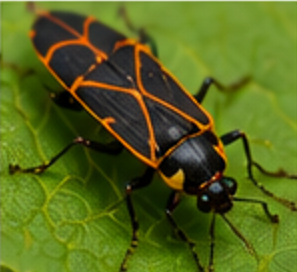
Milkweed Bugs are brightly colored, seed-feeding insects commonly found on milkweed plants throughout North America. Recognized by their striking orange-red and black markings, these true bugs belong primarily to the family Lygaeidae. Two familiar species are the Large Milkweed Bug (Oncopeltus fasciatus) and the Small Milkweed Bug (Lygaeus kalmii). Both species feed mainly on milkweed seeds using piercing-sucking mouthparts. Although large groups may gather on seed pods, milkweed bugs generally cause limited damage to established plants and are not considered serious garden pests. They are also important components of milkweed ecosystems, which support monarch butterflies and numerous other insects.
Taxonomy and Classification
Milkweed bugs belong to the order Hemiptera, which includes true bugs, aphids, cicadas, and other insects with piercing-sucking mouthparts.
- Common Name: Milkweed Bugs
- Scientific Names: Oncopeltus fasciatus and Lygaeus kalmii
- Kingdom: Animalia
- Phylum: Arthropoda
- Class: Insecta
- Order: Hemiptera
- Suborder: Heteroptera
- Family: Lygaeidae
- Primary Host Plants: Milkweeds (Asclepias spp.)
- Pest Type: Seed-feeding true bug
Milkweed bugs are closely related to other seed bugs and share similar feeding structures and developmental characteristics.
Physical Description and Identification
Milkweed bugs are easily recognized by their bold orange, red, and black coloration. Their contrasting markings serve as warning coloration to potential predators.
Large Milkweed Bug
- Scientific Name: Oncopeltus fasciatus
- Size: Approximately 10–18 millimeters long.
- Color: Orange-red with distinctive black markings.
- Wings: Black wing tips and a broad dark band across the back.
- Body Shape: Elongated and somewhat oval.
- Antennae: Long, dark, and segmented.
Small Milkweed Bug
- Scientific Name: Lygaeus kalmii
- Size: Approximately 10–12 millimeters long.
- Color: Orange-red and black.
- Markings: A distinctive red or orange X-shaped pattern across the wings.
- Wings: Dark membranous tips, often with pale markings.
Nymph Identification
Young milkweed bugs resemble smaller, wingless versions of adults. Nymphs are often bright orange-red with dark legs, antennae, and developing wing pads.
Distribution and Habitat
Milkweed bugs occur across much of North America wherever suitable milkweed plants grow. Their distribution varies by species, climate, and seasonal availability of host plants.
Common habitats include:
- Wildflower gardens.
- Milkweed patches and monarch butterfly gardens.
- Prairies and grasslands.
- Roadsides and open fields.
- Meadows and disturbed habitats.
- Residential landscapes containing milkweed.
Large milkweed bugs are especially common in warmer regions and may move seasonally as host plants become available.
Life Cycle and Reproduction
Milkweed bugs undergo incomplete metamorphosis, developing through egg, nymph, and adult stages without a pupal stage.
Egg Stage
Females deposit clusters of small, elongated eggs on milkweed plants, seed pods, or nearby protected surfaces. Eggs are initially pale yellow or orange and may darken before hatching.
Nymph Stage
Newly hatched nymphs begin feeding on milkweed seeds and other accessible plant tissues. They pass through five nymphal instars before reaching adulthood.
Adult Stage
Adults develop fully formed wings, mate, and reproduce. Under favorable warm conditions, development from egg to adult may take approximately four to six weeks, depending on species and temperature.
Multiple generations may occur annually in warm climates.
Feeding Behavior and Host Plants
Milkweed bugs primarily feed on developing and mature milkweed seeds. They use specialized piercing-sucking mouthparts to penetrate seed tissues and extract nutrients.
Common Food Sources
- Common milkweed (Asclepias syriaca).
- Showy milkweed (Asclepias speciosa).
- Butterfly weed (Asclepias tuberosa).
- Other native and cultivated milkweed species.
- Seeds of certain related plants.
Small milkweed bugs may also consume nectar and occasionally feed on dead insects or other available food sources.
Milkweed plants contain defensive chemicals called cardenolides. Some milkweed bugs can accumulate these compounds, making them less appealing to certain predators.
Damage and Signs of Infestation
Milkweed bugs generally cause little harm to established milkweed plants. Their feeding primarily affects seeds rather than leaves or stems.
Common Signs of Milkweed Bug Activity
- Clusters of Bugs: Adults and nymphs gathering on seed pods.
- Seed Feeding: Developing seeds damaged by piercing-sucking mouthparts.
- Reduced Seed Viability: Heavy feeding may reduce successful seed production.
- Visible Eggs: Small clusters of eggs on plants or nearby surfaces.
- Seasonal Aggregations: Large numbers appearing as seed pods mature.
- Occasional Indoor Visitors: Adults entering buildings accidentally.
Milkweed bugs rarely cause serious damage to plant foliage and generally do not interfere significantly with milkweed growth.
Are Milkweed Bugs Dangerous?
Milkweed bugs are not considered dangerous to humans or pets. They do not sting and are not known to transmit human diseases.
Although they possess piercing-sucking mouthparts, they primarily use them for feeding on seeds rather than biting people.
Their bright coloration warns predators of chemical defenses acquired from milkweed plants.
Milkweed Bugs and Monarch Butterflies
Milkweed plants provide essential habitat for monarch butterflies because monarch caterpillars depend on milkweed foliage for development.
Milkweed bugs share these plants but generally feed on seeds rather than leaves. Consequently, they usually do not directly compete with monarch caterpillars for their primary food source.
Gardeners maintaining monarch habitats should avoid unnecessary insecticide applications because pesticides may harm monarch eggs, caterpillars, and other beneficial insects.
Management and Integrated Pest Management (IPM)
Milkweed bugs rarely require chemical treatment. Management is most appropriate when gardeners are attempting to collect viable milkweed seeds or when unusually large populations become a nuisance.
1. Monitor Milkweed Plants
Inspect seed pods and nearby foliage for adult bugs, nymphs, and eggs. Determine whether feeding is actually interfering with seed production.
2. Tolerate Small Populations
Milkweed bugs are natural members of milkweed ecosystems. Small populations can generally be left undisturbed.
3. Remove Bugs by Hand
If seed production is important, carefully remove clusters of milkweed bugs from developing pods. Check plants first for monarch eggs and caterpillars.
4. Protect Developing Seed Pods
Fine mesh bags may help protect selected pods intended for seed collection. Ensure the covering does not damage the plant or trap other insects.
5. Encourage Natural Predators
Spiders, predatory insects, and certain birds may feed on milkweed bugs, although their defensive chemicals discourage some predators.
6. Avoid Broad-Spectrum Insecticides
Routine pesticide applications are generally unnecessary and may harm monarch butterflies, native bees, and other insects associated with milkweed.
7. Prevent Indoor Entry
Repair damaged window screens and seal gaps around doors and windows to prevent occasional wandering adults from entering buildings.
Preventing Excessive Milkweed Bug Populations
- Inspect milkweed seed pods regularly.
- Collect mature seeds promptly when propagation is the goal.
- Protect selected seed pods with suitable mesh coverings.
- Remove unwanted bug clusters manually.
- Maintain diverse native flowering plants.
- Avoid unnecessary pesticide applications.
- Preserve monarch caterpillars and other beneficial insects.
- Seal household entry points to prevent accidental indoor visits.
Milkweed Bugs vs. Similar Insects
Milkweed bugs may be confused with several other orange-and-black true bugs.
- Boxelder Bugs: Dark insects with red markings that commonly gather on buildings and feed on seeds of boxelder and maple trees.
- Milkweed Assassin Bugs: Predatory insects that capture other insects using piercing mouthparts.
- Red-Shouldered Bugs: Seed-feeding bugs with dark bodies and reddish markings.
- Cotton Stainers: Red-and-black seed-feeding insects associated with cotton and related plants.
- Small Milkweed Bugs: Similar to large milkweed bugs but distinguished by their markings and somewhat smaller size.
Identification should consider body shape, wing markings, host plants, and feeding behavior.
Ecological Importance
Milkweed bugs are part of the diverse insect community associated with milkweed plants. Their seed-feeding activities influence plant reproduction and provide opportunities for studying insect development, chemical defenses, and plant-insect relationships.
The large milkweed bug is also widely used in educational and scientific research because it is relatively easy to maintain and observe throughout its life cycle.
Conclusion
Milkweed Bugs are colorful, seed-feeding insects commonly found on milkweed plants in gardens, meadows, and natural habitats. Although large groups may appear alarming, these insects generally cause limited damage and are not dangerous to humans.
Effective management focuses on monitoring, protecting seed pods when necessary, and preserving the ecological value of milkweed habitats. In most situations, allowing milkweed bugs to remain on plants is preferable to unnecessary pesticide treatment.