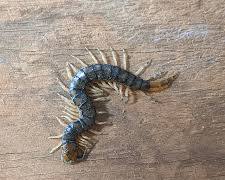
The Barn Funnel Weaver Spider is a common web-building spider found in barns, sheds, garages, crawlspaces, and outdoor structures throughout North America. It belongs to the funnel-weaver family Agelenidae and is recognized for constructing dense sheet-like webs with a narrow funnel retreat where the spider hides while waiting for prey. These spiders are considered beneficial predators because they help control populations of flies, moths, mosquitoes, and other nuisance insects commonly associated with agricultural buildings and residential structures.
Identification
Barn funnel weaver spiders typically have brown, tan, or gray coloration with subtle striping or chevron-like markings across the abdomen. Adults usually measure around 1/2 inch in body length, though the long legs make them appear much larger.
- Long slender legs adapted for speed
- Brown or gray body coloration
- Distinct funnel-shaped retreat web
- Visible spinnerets extending from the abdomen
- Fast-moving when disturbed
Their webs are one of their most recognizable features. The web consists of a horizontal sheet of silk leading into a narrow funnel retreat where the spider remains concealed until prey enters the web.
Distribution and Habitat
Barn funnel weaver spiders are widely distributed across North America and are especially common in rural areas, farms, gardens, and suburban landscapes. They prefer quiet sheltered locations where webs can remain undisturbed for long periods.
Common habitats include:
- Barns and sheds
- Garages and crawlspaces
- Wood piles and fences
- Porches and decks
- Rock walls and foundations
- Dense vegetation and gardens
They thrive in environments with abundant insect activity and moderate humidity.
Life Cycle and Behavior
Barn funnel weavers undergo gradual metamorphosis beginning as eggs protected inside silken egg sacs. Spiderlings hatch and disperse to establish their own territories.
These spiders are primarily nocturnal or crepuscular hunters. During the day they often remain hidden deep within the funnel retreat. When vibrations signal trapped prey on the web surface, the spider rushes out rapidly to subdue the insect before dragging it back into the funnel.
Their diet commonly includes:
- Flies
- Moths
- Gnats
- Beetles
- Mosquitoes
- Other small insects
Females may remain in the same protected location for extended periods, rebuilding and expanding webs as needed.
Pest Status
Barn funnel weaver spiders are considered highly beneficial because they reduce populations of nuisance insects around homes, barns, and agricultural structures. They are not aggressive toward humans and bites are extremely rare.
Most concerns involving these spiders are related to:
- Cobweb accumulation
- Unexpected encounters
- Large visible webs
- Spider presence in storage areas
Unlike dangerous spiders such as the Black Widow Spider or Brown Recluse Spider, barn funnel weavers are not considered medically significant.
Prevention
- Remove webs from active living areas.
- Reduce clutter in garages and sheds.
- Seal cracks and openings around structures.
- Trim vegetation touching buildings.
- Reduce nighttime insect attraction with controlled lighting.
- Keep storage areas organized and clean.
Control
Manual removal of webs and spiders is typically sufficient for managing barn funnel weavers. Vacuuming corners, removing webbing, and reducing insect prey populations are the most effective long-term strategies.
Chemical treatments are rarely necessary because these spiders provide natural pest control benefits and generally remain outdoors or in undisturbed structures.
Interesting Facts
- Barn funnel weavers rely heavily on vibration detection rather than eyesight.
- The funnel retreat acts as both shelter and ambush point.
- These spiders are among the fastest running spiders in North America.
- Their webs are not sticky like orb-weaver webs.
- They help naturally suppress fly populations around livestock buildings.