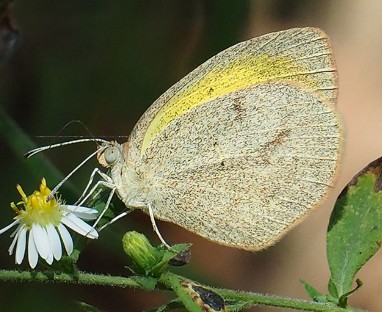
The Barred Yellow Butterfly is a brightly colored butterfly species commonly found in warm climates across North and South America. Known for its vivid yellow wings marked with dark bands and spots, this butterfly is frequently seen feeding on flowers in gardens, roadsides, parks, woodland edges, and natural landscapes. The species is widely appreciated for its role as a pollinator and for adding visual beauty to outdoor environments.
Identification
Adult barred yellow butterflies are medium-sized butterflies with bright yellow wings accented by black or dark brown markings. Their wingspan generally ranges from 1.5 to 2 inches.
- Bright yellow wing coloration
- Dark banding and spotted markings
- Slender butterfly body structure
- Rapid fluttering flight pattern
- Paler underside used for camouflage
The underside of the wings is often lighter in color with softer markings, helping the butterfly blend into surrounding vegetation when resting. During sunny weather, adults are highly active and frequently move between flowering plants.
Distribution and Habitat
Barred yellow butterflies are commonly found in tropical and subtropical regions throughout the Americas. In warmer seasons, some individuals may expand their range farther north through migration or seasonal movement.
Preferred habitats include:
- Gardens and landscaped yards
- Roadside vegetation
- Open woodlands
- Meadows and grasslands
- Parks and pollinator gardens
- Forest edges and shrublands
They are most commonly observed in areas containing abundant nectar-producing flowers and suitable host plants for caterpillar development.
Life Cycle and Behavior
Like other butterflies, the barred yellow butterfly undergoes complete metamorphosis involving four stages:
- Egg
- Caterpillar (larva)
- Chrysalis (pupa)
- Adult butterfly
Females lay eggs on suitable host plants where caterpillars hatch and begin feeding on foliage. Caterpillars gradually molt through several growth stages before forming a chrysalis.
Adult butterflies feed primarily on nectar and are active pollinators. Their feeding behavior helps transfer pollen between flowering plants, supporting local ecosystems and plant reproduction.
Adults are strong and agile fliers, often traveling considerable distances between nectar sources. They are especially active during warm sunny afternoons.
Ecological Importance
The barred yellow butterfly is considered highly beneficial in natural and landscaped environments. Important ecological roles include:
- Pollination of flowering plants
- Supporting biodiversity
- Serving as prey for birds and other wildlife
- Indicating healthy habitat conditions
- Contributing to native ecosystem balance
Butterflies are often viewed as important environmental indicators because their populations can reflect changes in habitat quality, pesticide exposure, and climate conditions.
Pest Status
The barred yellow butterfly is not considered a pest species. Caterpillar feeding is generally minor and rarely causes meaningful damage to landscape plants or gardens.
Most gardeners and property owners encourage these butterflies because they:
- Improve pollination
- Add aesthetic value
- Support native wildlife
- Enhance biodiversity
In pollinator gardens and conservation landscapes, the presence of butterflies is often considered highly desirable.
Prevention
No prevention measures are normally necessary because the species is beneficial. Many gardeners actively attract butterflies by planting nectar-rich flowers and maintaining pesticide-free landscapes.
Butterfly-friendly landscaping often includes:
- Native flowering plants
- Host plants for caterpillars
- Reduced pesticide use
- Water sources and sunny resting areas
- Diverse seasonal blooms
Control
Control is not recommended for barred yellow butterflies. Minor caterpillar feeding damage is considered natural and usually insignificant compared to the ecological benefits provided by the species.
In most residential settings, these butterflies are viewed as attractive and beneficial insects rather than pests.
Interesting Facts
- Butterflies can detect nectar sources using sensory organs on their feet.
- Bright yellow coloration helps attract mates and may deter predators.
- Adults rely heavily on sunlight to regulate body temperature.
- Some barred yellow butterflies migrate seasonally depending on climate conditions.
- Butterflies contribute significantly to pollination in natural ecosystems.