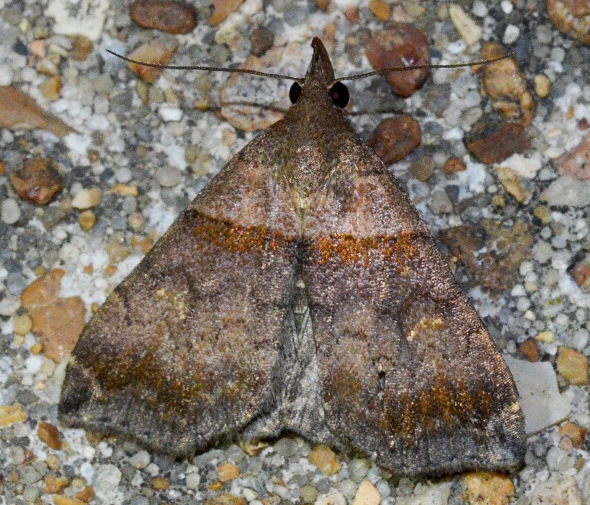
Ambiguous Moth (Lithophane antennata) is a species of noctuid moth in the family Noctuidae, commonly known as owlet moths. It is native to North America and is notable for its early-season activity, often emerging during late winter or early spring when temperatures are still cool. The name “ambiguous” refers to the subtle and variable wing patterns that can make identification challenging.
This species is primarily associated with deciduous forests and woodland edges. While its larvae feed on a variety of trees and shrubs, the Ambiguous Moth is not typically considered a significant pest and plays a modest role in natural ecosystems.
Taxonomy and Classification
- Common Name: Ambiguous Moth
- Scientific Name: Lithophane antennata
- Order: Lepidoptera
- Family: Noctuidae
- Type: Owlet moth
The genus Lithophane includes several species known as “pinion moths,” many of which are adapted to cooler climates and have early seasonal activity patterns.
Identification and Physical Description
Adult Ambiguous Moths are medium-sized, with a wingspan typically ranging from 1.3 to 1.8 inches. Their forewings are generally grayish-brown with subtle, mottled patterns that provide excellent camouflage against tree bark.
Unlike more brightly colored moths, this species relies on its cryptic coloration to avoid detection. Wing markings can vary significantly between individuals, contributing to the “ambiguous” nature of its identification.
The hindwings are lighter in color, often pale gray or off-white, and are usually hidden beneath the forewings when the moth is at rest.
Larvae are caterpillars that vary in color from green to brown, often with faint striping or spotting. They are relatively smooth-bodied and resemble many other noctuid caterpillars.
Life Cycle
The Ambiguous Moth undergoes complete metamorphosis, progressing through egg, larva, pupa, and adult stages.
One of the unique features of this species is its adult overwintering behavior. Adults may emerge in late fall and overwinter in sheltered locations such as bark crevices or leaf litter. They become active again during mild winter days or early spring.
After mating, females lay eggs on host plants. Larvae hatch and begin feeding on leaves, growing through several instars before pupating.
Pupation typically occurs in soil or leaf litter. Adults emerge later in the year, completing the cycle. In most regions, there is one generation per year.
Host Plants
The larvae of the Ambiguous Moth feed on a variety of deciduous trees and shrubs. Common host plants include:
- Oak trees
- Maple trees
- Birch trees
- Fruit trees
- Other hardwood species
This broad host range allows the species to thrive in diverse woodland environments.
Damage and Symptoms
Larval feeding typically results in minor leaf damage, including:
- Small holes in leaves
- Irregular chewing along leaf edges
- Localized defoliation
In most cases, the damage is not severe enough to impact overall plant health. Large infestations are uncommon, and natural predators usually keep populations in check.
Habitat and Distribution
The Ambiguous Moth is found throughout much of North America, particularly in regions with deciduous forests. It is commonly associated with:
- Woodlands and forest edges
- Parks and natural reserves
- Residential areas with mature trees
Its ability to overwinter as an adult allows it to occupy habitats with cooler climates and extended seasonal variation.
Behavior and Ecology
Adult Ambiguous Moths are primarily nocturnal but may become active during mild winter or early spring days. They are attracted to light sources and may be observed around outdoor lighting.
Their cryptic coloration provides effective camouflage during the day, allowing them to rest on tree bark without detection.
Larvae feed on foliage and rely on their coloration to blend into leaves and branches. As part of the ecosystem, they serve as a food source for birds, insects, and other predators.
The early seasonal activity of adults allows them to take advantage of reduced competition and predation.
Management and Control
Control measures are rarely necessary for the Ambiguous Moth due to its limited impact. However, general management practices can be applied if needed.
- Manual removal: Caterpillars can be removed from plants.
- Encourage natural predators: Birds and beneficial insects help regulate populations.
- Monitor plant health: Regular inspection can detect early feeding activity.
Chemical control is typically unnecessary and not recommended for minor infestations.
Prevention
Preventative measures focus on maintaining healthy ecosystems and supporting natural pest control.
- Promote biodiversity in landscapes
- Maintain proper plant care and soil health
- Avoid unnecessary pesticide use
- Monitor plants regularly for signs of feeding
Healthy plants are more resilient and better able to tolerate minor damage.
Related Articles
Conclusion
The Ambiguous Moth is a subtle but ecologically interesting species that demonstrates the diversity of moth life in North American forests. While its larvae may cause minor feeding damage, it is not considered a significant pest.
Its unique overwintering behavior and early seasonal activity make it an important component of forest ecosystems. With minimal need for management, the Ambiguous Moth is best appreciated as a natural part of its environment.