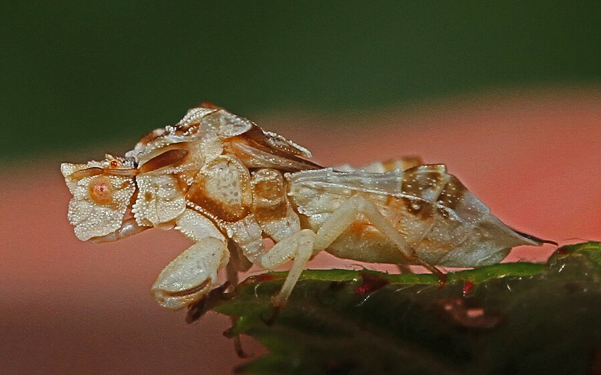
Ambush Bugs (Phymata spp.) are a group of predatory true bugs in the family Reduviidae, commonly known as assassin bugs. These insects are named for their hunting strategy, as they lie in wait on flowers and vegetation to capture unsuspecting prey. Ambush bugs are widely distributed across North America and are commonly found in gardens, meadows, and agricultural landscapes.
Unlike many insects commonly classified as pests, ambush bugs are considered beneficial predators because they help control populations of other insects, including many agricultural and garden pests. Their presence is often a sign of a healthy ecosystem.
Taxonomy and Classification
- Common Name: Ambush Bug
- Scientific Name: Phymata spp.
- Order: Hemiptera
- Family: Reduviidae
- Type: Predatory true bug
Ambush bugs belong to the assassin bug family, which includes many species known for their predatory habits. They are closely related to other beneficial insects that help regulate pest populations.
Identification and Physical Description
Ambush bugs are small to medium-sized insects, typically measuring 1/4 to 1/2 inch in length. They have a compact, flattened body and a distinctive hump-backed appearance.
Their coloration varies widely and often matches their surroundings, including shades of:
- Yellow
- Green
- Brown
- White
This camouflage allows them to blend seamlessly into flowers and foliage.
One of their most notable features is their enlarged, raptorial front legs, which are used to grasp and hold prey. They also possess a piercing-sucking mouthpart (rostrum) used to inject enzymes into prey and consume liquefied tissues.
Life Cycle
Ambush bugs undergo incomplete metamorphosis, developing through egg, nymph, and adult stages.
Females lay eggs on plant stems or leaves. After hatching, nymphs resemble smaller versions of adults and begin hunting almost immediately. They molt several times as they grow before reaching adulthood.
Both nymphs and adults are predatory and feed on other insects throughout their development.
Habitat and Distribution
Ambush bugs are widely distributed across North America and are commonly found in:
- Gardens and flower beds
- Meadows and grasslands
- Agricultural fields
- Roadsides and natural landscapes
They are most often seen on flowering plants, where they wait for pollinators and other insects to approach.
Behavior and Hunting Strategy
Ambush bugs are sit-and-wait predators. They remain motionless on flowers or foliage, relying on their camouflage to avoid detection. When prey comes within reach, they strike quickly using their front legs to capture it.
Common prey includes:
- Bees
- Flies
- Butterflies
- Other small insects
After capturing prey, the ambush bug uses its rostrum to inject digestive enzymes and consume the liquefied contents.
This hunting method allows them to capture prey that may be larger than themselves.
Ecological Importance
Ambush bugs play an important role in maintaining ecological balance. As predators, they help regulate populations of various insects, including potential pests.
Their contributions include:
- Reducing populations of harmful insects
- Supporting natural pest control in gardens and farms
- Contributing to biodiversity and ecosystem health
Although they may occasionally capture pollinators, their overall impact is beneficial.
Human Interaction and Risks
Ambush bugs are generally harmless to humans. However, they can deliver a painful bite if handled or disturbed.
The bite is not venomous in a medically significant way but may cause localized pain or irritation. Because they are not aggressive, bites are rare and usually occur only when the insect is accidentally touched.
Management and Control
Control of ambush bugs is not recommended due to their beneficial role. Instead, they should be encouraged as part of integrated pest management strategies.
- Encourage habitat: Plant flowering species to support their presence.
- Avoid pesticides: Reduce chemical use that may harm beneficial insects.
- Maintain biodiversity: Promote a balanced ecosystem.
These practices help sustain populations of natural predators.
Prevention
Preventing unwanted encounters is simple and typically involves awareness rather than elimination.
- Avoid handling insects on flowers
- Wear gloves when gardening if concerned about bites
- Inspect plants before contact
These measures reduce the likelihood of accidental contact.
Related Articles
Conclusion
Ambush bugs are fascinating predatory insects that contribute significantly to natural pest control. Their unique hunting strategy and effective camouflage make them important components of healthy ecosystems.
While they may occasionally bite if disturbed, their benefits far outweigh any minor risks. Encouraging ambush bugs in gardens and agricultural settings can help maintain balanced insect populations and reduce the need for chemical pest control.