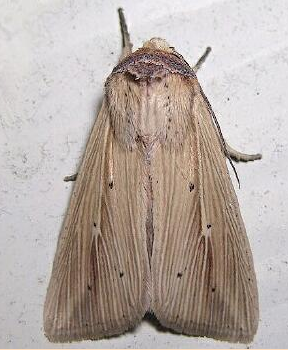
Adjutant Wainscot Moth (Mythimna ambigua) is a species of noctuid moth belonging to the family Noctuidae, a large and diverse group commonly referred to as owlet moths. This species is primarily found in parts of Europe and temperate regions of Asia, where it inhabits grasslands, wetlands, and agricultural landscapes. While the adult moth is relatively inconspicuous, the larval stage can contribute to minor feeding damage on grasses and cereal crops.
The Adjutant Wainscot Moth is not typically considered a major agricultural pest, but it is of ecological and entomological interest due to its association with grass habitats and its role in the broader food web.
Taxonomy and Classification
- Common Name: Adjutant Wainscot Moth
- Scientific Name: Mythimna ambigua
- Order: Lepidoptera
- Family: Noctuidae
- Type: Grass-feeding moth
The genus Mythimna includes many species of grass-feeding moths, several of which are associated with agricultural crops. The Adjutant Wainscot Moth is closely related to other species such as armyworms, though it is generally less destructive.
Identification and Physical Description
Adult Adjutant Wainscot Moths are medium-sized, with a wingspan typically ranging from 1.2 to 1.6 inches. Their forewings are usually pale brown, tan, or straw-colored, often with subtle linear markings that resemble dried grass. This coloration provides effective camouflage in their natural habitat.
The hindwings are lighter in color, often pale gray or off-white. When at rest, the moth holds its wings roof-like over its body, blending into grasses and vegetation.
The larvae are caterpillars that vary in color from green to brown, often with faint longitudinal stripes. They are relatively smooth-bodied and adapted for feeding on grasses.
Life Cycle
The Adjutant Wainscot Moth undergoes complete metamorphosis, with four distinct stages: egg, larva, pupa, and adult.
Females lay eggs on grasses or other host plants. After hatching, larvae begin feeding on leaves and stems. The larval stage is the primary feeding period and may last several weeks, depending on environmental conditions.
When fully grown, larvae pupate in the soil or within plant debris. The pupal stage allows the insect to develop into an adult moth, which emerges to reproduce and continue the cycle.
In many regions, there is typically one generation per year, although this may vary with climate.
Host Plants
The larvae of the Adjutant Wainscot Moth primarily feed on grasses and cereal crops. Common host plants include:
- Wild grasses
- Wheat
- Barley
- Oats
- Other grass-like plants
This feeding preference places the species within the broader group of grass-feeding agricultural insects.
Damage and Symptoms
Damage caused by Adjutant Wainscot larvae is generally limited and rarely reaches economically significant levels. Feeding typically results in:
- Chewed or notched grass blades
- Minor defoliation of host plants
- Localized feeding damage in dense populations
In most cases, natural predators and environmental factors keep populations in check, preventing significant crop loss.
Habitat and Distribution
The Adjutant Wainscot Moth is primarily found in:
- Grasslands and meadows
- Wetlands and marshy areas
- Agricultural fields
- Coastal habitats with grassy vegetation
It is distributed across parts of Europe and Asia, particularly in temperate regions where suitable habitats are available.
Behavior and Ecology
Adult moths are nocturnal and are most active during the evening and night. They are attracted to light sources and may be observed around artificial lighting.
Larvae feed primarily at night, remaining hidden during the day to avoid predators. Their coloration helps them blend into their surroundings, providing protection from birds and other predators.
As part of the ecosystem, the Adjutant Wainscot Moth contributes to nutrient cycling and serves as a food source for a variety of wildlife.
Management and Control
Because the Adjutant Wainscot Moth is not typically a major pest, control measures are rarely necessary. However, in cases where populations increase, general management strategies may be applied.
- Monitoring: Regular inspection of crops and grasses for signs of feeding.
- Encouraging natural predators: Birds and beneficial insects help control populations.
- Cultural practices: Maintaining healthy crops reduces susceptibility to damage.
- Targeted treatments: Insecticides may be used if infestations become severe, though this is uncommon.
Integrated pest management approaches are recommended to minimize environmental impact.
Prevention
Preventative measures focus on maintaining balanced ecosystems and healthy plant growth.
- Promote biodiversity in agricultural and natural areas
- Monitor for early signs of pest activity
- Avoid overuse of pesticides that may disrupt natural control agents
- Maintain proper crop rotation and soil health
Healthy ecosystems naturally regulate populations of minor pests such as the Adjutant Wainscot Moth.
Related Articles
Conclusion
The Adjutant Wainscot Moth is a relatively minor species within the broader group of grass-feeding moths. While its larvae may cause some feeding damage, it is generally not considered a significant pest.
Its presence highlights the diversity of moth species within grassland ecosystems and its role in supporting ecological balance. With minimal management needs, it serves as an example of how many insect species coexist with agricultural and natural environments without causing substantial harm.