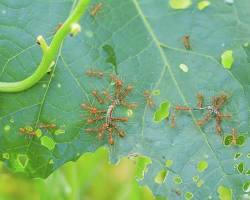
Zucchini thrips are tiny, slender insects that feed on plant tissues by scraping the surface and sucking up the leaking contents. Even though they are extremely small, they can cause visible injury to zucchini leaves, flowers, and developing fruit. Thrips are common pests in many vegetable gardens and commercial plantings because they are highly mobile, reproduce quickly under favorable conditions, and often go unnoticed until the plant begins to show silvery scarring, distorted growth, or blemished fruit.
On zucchini, thrips can be especially troublesome because they often gather in blossoms, on tender new leaves, or on young fruit surfaces where their feeding causes cosmetic injury and plant stress. Their damage can resemble other issues at first, including heat stress, mite injury, or minor disease spotting, so close inspection is important. In some cases, thrips are more than just a nuisance, as certain species can also transmit plant viruses, increasing their importance as crop pests.
Identification and Appearance
Thrips are tiny insects, often only a few millimeters long, with narrow bodies and fringed wings in the adult stage. Their color varies by species and age, ranging from pale yellow and tan to darker brown. Because they are so small, they are difficult to identify without tapping flowers or leaves over a white surface and watching for the insects to crawl. The immature stages are wingless but still feed actively on the plant.
One reason thrips are easily overlooked is that they tend to hide in tight spaces such as flower parts, leaf folds, and protected plant surfaces. Gardeners may notice the damage first and only later confirm the insects themselves through careful inspection.
Host Plants and Ecology
Thrips have a wide host range and can attack many vegetables, flowers, weeds, and ornamentals. Zucchini is one of many plants they may exploit, especially when nearby weeds, flowering plants, or other susceptible vegetables provide additional breeding and feeding sites. Their broad host range allows them to move readily through a garden or production area, which makes control more difficult than with pests that specialize on only one crop.
Warm, dry weather often favors thrips activity. Dense plantings and nearby flowering weeds can support larger populations, especially when no regular monitoring is in place. Because they are easily carried by wind, thrips can appear even in gardens that seemed pest-free only days earlier.
Damage to Zucchini
Thrips feeding causes a characteristic silvery, bronzed, or scarred appearance on leaves and fruit surfaces. This happens because the insects rasp the plant tissue and remove the contents of the damaged cells. On leaves, this can look like streaking, stippling, or patches of dull discoloration. On flowers, feeding may damage delicate tissues and interfere with normal development. On fruit, the result may be russeting, scarring, or cosmetic blemishes that reduce marketability and appearance.
Young zucchini plants may suffer more noticeably from thrips pressure because tender growth is easier to damage. Repeated feeding can distort leaves, stunt growth, and reduce plant vigor. In high populations, flowering and fruit set may also be affected. If the thrips species involved is capable of spreading plant viruses, damage may extend well beyond surface feeding injury.
Life Cycle
Thrips develop quickly, especially in warm temperatures. Females lay eggs in plant tissue, and the hatching nymphs begin feeding almost immediately. After several immature stages, they complete development and emerge as winged adults capable of dispersal. Because the life cycle is short, multiple generations can occur in a single growing season, leading to sudden population explosions.
Some stages may occur in soil or protected plant debris depending on the species, which is one reason sanitation and environmental management matter. When populations build on weeds or adjacent host plants, zucchini can quickly become part of a larger thrips problem in the area.
Signs of Infestation
Gardeners may notice silvery leaf patches, tiny black specks of frass, distorted foliage, damaged blossoms, or scarred fruit. One practical monitoring method is to tap flowers over a white sheet of paper or tray and look for fast-moving slender insects. Blue or yellow sticky traps can also help reveal adult activity, though they are usually more useful for monitoring than for complete control.
Because thrips are so small, symptoms should always be investigated carefully. Similar-looking injury can come from spider mites, weather stress, or chemical burn. Confirming the presence of the insects helps avoid unnecessary treatment.
Prevention and Management
Prevention starts with weed control, garden sanitation, and regular inspection of plants. Removing flowering weeds and crop debris can reduce breeding sites and alternate hosts. Good spacing improves airflow and makes plants less favorable for large hidden populations. Avoiding excessive nitrogen is also helpful, since overly lush growth can attract sap-feeding and tissue-feeding pests.
Natural enemies, including minute pirate bugs and predatory mites, can help keep thrips populations in check. Preserving beneficial insects is important because broad-spectrum pesticide use often worsens the problem by disrupting biological control. In small gardens, simply removing heavily damaged blossoms or leaves may slow local buildup when infestations are still light.
If treatment is necessary, thorough coverage matters because thrips hide in flowers and on protected plant surfaces. Products used on edible crops must be labeled appropriately, and repeated applications may be needed due to staggered life stages. As always, pollinator protection is critical when working around zucchini blossoms, since bees are important for fruit production.
Integrated Pest Management for Thrips
The best long-term management plan combines monitoring, sanitation, weed reduction, biological control, and selective treatment when thresholds are exceeded. Because thrips are difficult to eliminate once established, early detection is more effective than waiting until fruit scarring and flower damage become obvious. In zucchini, attention to blossoms is especially important, since that is where thrips often concentrate first.
Conclusion
Zucchini thrips are tiny but potentially damaging pests that scar leaves, injure flowers, and blemish fruit through surface feeding. Their small size and hidden habits allow populations to build before the problem becomes obvious, making regular scouting essential. By combining careful inspection, sanitation, weed management, and conservation of beneficial insects, gardeners can reduce the impact of thrips and protect zucchini plants from both direct injury and the broader stress these insects can impose during the growing season.