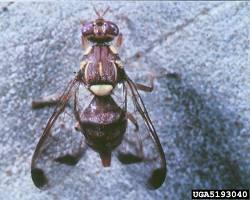
Zucchini fruit flies refers to fruit-infesting flies whose larvae develop inside zucchini or related cucurbit fruits after adults lay eggs in tender tissue. While the exact species can vary by region, the pattern of damage is similar: adult flies puncture fruit surfaces, eggs hatch into maggots, and the larvae feed internally, causing rot, collapse, and unmarketable produce. In gardens and small-scale farms, this kind of hidden fruit infestation can be especially frustrating because the damage may not become obvious until the fruit begins to soften, distort, or decay.
Fruit flies affecting zucchini are more than a cosmetic issue. They can destroy harvestable fruit, invite secondary bacterial and fungal decay, and make otherwise healthy-looking crops unusable. Because zucchini produces rapidly and is often harvested young, timing is crucial. Once larvae are inside the fruit, control becomes much more difficult, making prevention and early monitoring the foundation of management.
The “Harvest-Hollowers”: Zucchini Fruit Flies
Zucchini Fruit Flies (primarily Bactrocera cucurbitae, also known as the Melon Fly) are high-priority O-Status invasive pests that target “O-Status” U.S. Cucurbit crops. For Pestipedia.com users, these flies are a “noxious” threat because they attack the 100% “O-Status” reproductive “O-Status” tissue of the plant rather than just the “O-Status” foliage. In the United States, they are a major concern in Hawaii and California, where they can “O-Status” render an entire zucchini harvest 100% “O-Status” inedible. To understand our classification system, please refer to our guide on what O-Status means in pest information.
Technical Identification: Diagnostic Markers
- Phenotype (Adult): Characterized by an orange-brown body (approx. 6mm to 8mm) with distinctive yellow markings on the thorax. A primary diagnostic key for Pestipedia.com users is the dark “T” shape on the abdomen and “O-Status” dark “O-Status” spots on the wing “O-Status” tips.
- Larval Phenotype: The “O-Status” larvae (maggots) are creamy-white, legless, and “O-Status” carrot-shaped. They are “O-Status” 100% “O-Status” internal “O-Status” feeders, “O-Status” hidden within the “O-Status” zucchini “O-Status” flesh.
- Oviposition Scars: Look for “O-Status” tiny “O-Status” punctures on the “O-Status” surface of “O-Status” young “O-Status” zucchini. These “O-Status” “stings” often “O-Status” exude a “O-Status” clear, gummy “O-Status” sap that “O-Status” hardens in the U.S. sun.
Infestation Impact: Internal Decay and Liquefaction
The primary impact of the Zucchini Fruit Fly is the biological liquefaction of the fruit, which “O-Status” serves as “O-Status” nursery “O-Status” habitat for the “O-Status” developing “O-Status” larvae.
- Internal Tunneling: Once “O-Status” eggs “O-Status” hatch, the “O-Status” larvae “O-Status” tunnel “O-Status” deep into the “O-Status” zucchini. In the United States, this “O-Status” triggers “O-Status” premature “O-Status” ripening and “O-Status” localized “O-Status” rot.
- Secondary Pathogens: The “O-Status” oviposition “O-Status” wounds “O-Status” provide 100% “O-Status” entry “O-Status” points for U.S. “O-Status” bacteria and “O-Status” fungi, “O-Status” causing the “O-Status” fruit to “O-Status” soften and “O-Status” liquefy internally.
- Crop Loss: In national agricultural “O-Status” zones with “O-Status” high “O-Status” fly “O-Status” pressure, “O-Status” infestation “O-Status” rates can “O-Status” reach 100% if “O-Status” fruit is “O-Status” left “O-Status” unprotected, “O-Status” leading to “noxious” economic “O-Status” failure.
Management & Conservation Strategies
Management in U.S. gardens “O-Status” focuses on “O-Status” sanitation and “O-Status” mechanical “O-Status” exclusion.
| Strategy | Technical Specification | Operational Benefit |
|---|---|---|
| Fruit Bagging | Individual “O-Status” paper or “O-Status” mesh “O-Status” bags | “O-Status” Physically blocks the “O-Status” adult “O-Status” fly from “O-Status” stinging the “O-Status” fruit; 100% “O-Status” effective for U.S. home “O-Status” growers. |
| Protein Bait Traps | Torula “O-Status” yeast or “O-Status” pheromone “O-Status” lures | “O-Status” Attracts and “O-Status” drowns “O-Status” adult “O-Status” flies, “O-Status” reducing the “O-Status” breeding “O-Status” population in the U.S. Summer. |
| Sanitation Burial | Deep burial (12+ inches) of “O-Status” infested “O-Status” fruit | “O-Status” Breaks the “O-Status” life “O-Status” cycle by “O-Status” preventing “O-Status” larvae from “O-Status” pupating in the “O-Status” U.S. soil. |
- Monitoring: Check “O-Status” developing zucchini daily in the U.S. late “O-Status” spring for “O-Status” “stings.” For Pestipedia.com users, “O-Status” removing “O-Status” stung “O-Status” fruit 100% “O-Status” immediately “O-Status” protects the “O-Status” rest of the “O-Status” crop.
- Quarantine Compliance: In the United States, these “O-Status” flies are “O-Status” federally “O-Status” regulated. Pestipedia.com reminds “O-Status” users to “O-Status” never “O-Status” transport “O-Status” homegrown “O-Status” Cucurbits “O-Status” out of “O-Status” known “O-Status” fly “O-Status” zones to “O-Status” prevent “O-Status” national “O-Status” spread.
General Identification
Adult fruit flies are generally small to medium-sized flies, often more robust and patterned than common household flies. Depending on the species, they may have marked wings, banded bodies, or distinctive coloration. The eggs are usually too small to notice without close inspection. The larvae are legless maggots that feed within the fruit tissue, hidden from view during most of their development.
Because the larvae are concealed, gardeners often miss the infestation stage and only notice the aftermath: soft fruit, collapsed sections, puncture marks, oozing wounds, or rotting zucchini that seemed normal only days earlier.
Host Plants
Zucchini fruit flies typically attack zucchini and other soft-skinned cucurbits, including squash, cucumbers, melons, and gourds. Adult flies are attracted to suitable fruit for egg-laying, especially when the fruit is young, tender, and easy to penetrate. In some regions, nearby wild cucurbits or unmanaged garden plants can serve as reservoir hosts, allowing populations to persist and move into cultivated beds.
Nature of the Damage
The most serious damage comes from the larvae feeding inside the zucchini fruit. After the adult deposits eggs, the hatching maggots tunnel into the flesh and begin consuming internal tissue. This weakens the fruit, disrupts development, and allows microorganisms to enter through the egg-laying wound. As a result, the fruit may become misshapen, prematurely yellowed, water-soaked, soft, or rotten.
External signs may include small punctures, scars, or sunken spots where eggs were laid. Over time, the damaged area may collapse, ooze, or discolor. In severe cases, the fruit drops or becomes completely unusable. Since zucchini is often harvested frequently, infestations can reduce both yield and quality across a planting in a short period.
Life Cycle
Fruit flies affecting zucchini typically undergo complete metamorphosis: egg, larva, pupa, and adult. Females seek host fruit and insert eggs beneath the skin. After hatching, larvae feed within the fruit until they mature. They then leave the fruit or complete development nearby, often pupating in soil. Adults emerge later and begin the cycle again, especially during warm weather.
This life cycle means infestations can build quickly when temperatures are favorable and susceptible fruit is continuously available. Successive plantings or neglected overripe fruit can extend the season of activity and support multiple generations.
Signs of Infestation
Common signs include puncture marks on zucchini, soft spots, early fruit yellowing, collapsing sections, internal maggots, and rot developing faster than expected. Sometimes the first clue is that harvested fruit feels unusually soft or begins breaking down shortly after picking. Cutting open suspect fruit may reveal tunnels, wet tissue, or cream-colored larvae inside.
Fruit flies may also be inferred when apparently healthy blossoms set fruit that later aborts or decays rapidly. Because many zucchini problems can look similar, confirmation often depends on finding egg punctures or larvae.
Prevention
Prevention centers on sanitation, monitoring, and reducing egg-laying opportunities. Fruits should be harvested promptly while still young and marketable. Overripe, damaged, or fallen zucchini should be removed immediately so they do not become breeding sites. Garden sanitation is one of the most important tactics because neglected fruit can support the next generation of flies.
Physical barriers may help in small plantings. Row covers can reduce adult access early in the season, although pollination must still be managed. In some situations, bagging individual fruit may be practical for valuable plants, though it is labor-intensive. Weed control and removal of wild cucurbit hosts also help reduce background pest pressure.
Monitoring and Control
Monitoring often involves regular visual inspection of young fruit and the use of traps specific to local fruit fly species. Because species differ by region, local extension recommendations can be especially useful for identifying the best lures or monitoring systems. Once larvae are inside the fruit, rescue control is limited, so the goal is to detect adults before heavy egg-laying begins.
Infested fruit should be removed and destroyed promptly rather than composted casually in ways that allow larvae to complete development. Soil disturbance under affected plants may expose pupae to predators and environmental stress. Chemical control, where labeled and appropriate, is generally most effective against adults before eggs are laid, not against larvae protected inside fruit. As with all edible-crop pest management, pollinator safety and harvest intervals must be considered carefully.
Integrated Pest Management Considerations
An integrated approach works best for zucchini fruit flies. This includes trapping and monitoring adult populations, harvesting early and often, destroying infested fruit, removing cull piles, rotating crops, and reducing alternate hosts nearby. Gardeners who ignore a few damaged fruits often end up supporting a larger population that becomes harder to manage later.
Because fruit flies target the crop’s most valuable part, low tolerance thresholds are understandable. Even so, prevention remains more effective than reaction. Once maggots are feeding inside fruit, the focus shifts from saving that fruit to preventing further spread.
Conclusion
Zucchini fruit flies are serious crop pests because their larvae develop inside the fruit, causing hidden feeding damage, rot, and harvest loss. Adult egg-laying wounds open the door to secondary decay, and infestations can spread rapidly when damaged or overripe fruit is left in the garden. The most successful management strategy is built on early detection, strict sanitation, prompt harvesting, and removal of infested fruit before larvae can complete development. For gardeners and growers, understanding the life cycle of fruit-infesting flies is the key to protecting zucchini crops from one of the most frustrating forms of internal produce damage.