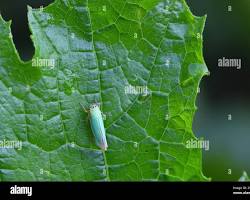
Zucchini leafhoppers are small, wedge-shaped sap-feeding insects that can weaken zucchini plants through repeated feeding on leaves and stems. These fast-moving insects are often seen jumping or flying away when disturbed, which is one reason they may be noticed before they are identified. Although individual leafhoppers are small, large populations can create significant stress on zucchini by removing plant fluids, causing stippling or pale spotting, and potentially transmitting plant pathogens.
Leafhoppers are common in many vegetable-growing regions and are not limited to zucchini. They move among weeds, grasses, vegetables, and ornamental plants, which makes them highly mobile garden pests. On zucchini, their feeding can reduce plant vigor, affect leaf quality, and add another layer of stress during hot weather or periods of heavy crop production. Their damage may not be as dramatic as that caused by borers or fruit-infesting larvae, but persistent feeding can still reduce performance over time.
Identification
Adult leafhoppers are typically slender, wedge-shaped insects with strong hind legs adapted for jumping. Their coloration varies, but many are green, pale yellow, brown, or mottled depending on the species. Nymphs resemble smaller wingless versions of the adults and move sideways quickly when disturbed. Because they are agile and often hide on the undersides of leaves, they can be difficult to catch by hand.
The presence of leafhoppers is often confirmed by observing sudden jumping insects on foliage or by noticing their characteristic feeding symptoms. Close examination may reveal both adults and nymphs on the underside of zucchini leaves, particularly during warm weather.
Host Plants and Movement
Leafhoppers feed on many plants, which is why they are common in gardens with mixed vegetables and nearby weeds. In zucchini, they are part of a larger landscape problem rather than a crop-specific insect. They may build up on weeds or grasses and then move onto vegetable crops as the season progresses. This movement pattern makes nearby vegetation management an important part of control.
Because they are so mobile, leafhoppers can enter a garden suddenly. Wind, mowing, weed removal, and seasonal plant decline can all push populations from surrounding hosts onto zucchini and other susceptible crops.
Damage to Zucchini
Leafhoppers damage zucchini primarily through sap feeding. As they insert their mouthparts into leaf tissue and withdraw fluids, the leaves may develop pale stippling, speckling, or general discoloration. Heavy feeding can cause leaves to look dull, weakened, or slightly curled. In some cases, repeated feeding results in a condition often referred to as hopperburn, where leaf margins yellow, brown, or dry out due to cumulative tissue stress.
On zucchini, this leaf stress can reduce photosynthetic efficiency and make the plant less able to support strong growth and fruit production. While light populations may cause only minor cosmetic damage, larger infestations can slow growth and contribute to general crop decline. Some leafhopper species also transmit plant pathogens, which raises their importance beyond simple feeding injury. If disease transmission occurs, symptoms may include stunting, distortion, chlorosis, or broader plant decline that cannot be explained by feeding alone.
Life Cycle
Leafhoppers lay eggs in plant tissues, and the nymphs that hatch begin feeding soon afterward. They pass through several immature stages before becoming winged adults. Under warm conditions, development can be rapid, allowing multiple generations per growing season. This means that populations can build steadily if conditions remain favorable and surrounding hosts support reproduction.
Because eggs are inserted into plant tissue, they are not always visible during scouting. Monitoring therefore depends mainly on checking for nymphs, adults, and fresh feeding symptoms.
Signs of Infestation
Common signs include stippled or pale leaves, quick-jumping insects that scatter when foliage is touched, leaf margin burn in severe cases, and a general loss of plant vigor. Gardeners may also notice that zucchini plants seem less productive or more stressed during hot weather even when irrigation is adequate. This can happen when feeding pressure combines with environmental stress.
A sweep net or simple tapping of foliage can help reveal leafhopper presence. Nymphs are often more concentrated on the undersides of leaves, where they are somewhat protected from predators and casual disturbance.
Prevention and Management
Weed control is one of the most important preventive steps because many leafhopper species build up first on unmanaged vegetation. Reducing weedy hosts around the garden helps lower the number of insects moving into zucchini. Maintaining good plant spacing and overall crop health also helps plants tolerate feeding pressure better.
Reflective mulches are sometimes used in vegetable systems to reduce the landing and colonization of sap-feeding insects like leafhoppers and aphids. In small gardens, strong water sprays may temporarily dislodge some insects, although repeated pressure from surrounding vegetation usually limits the value of this tactic by itself. Row covers can protect very young plants, but they must be removed or managed when pollination becomes necessary.
Natural enemies such as spiders, minute pirate bugs, and beneficial insects help suppress leafhopper populations, so conservation of beneficials is important. If treatment is needed, careful product selection and good coverage matter. Since zucchini flowers attract pollinators, any control measures must take bee safety into account, especially during bloom.
Integrated Pest Management for Leafhoppers
An integrated strategy for zucchini leafhoppers includes managing surrounding weeds, monitoring plants regularly, preserving beneficial insects, and responding early before populations become widespread. Because leafhoppers are mobile and may also spread disease, it is better to act when feeding symptoms first appear rather than waiting for severe plant stress. Healthy zucchini can tolerate some feeding, but repeated pressure during fruiting can still reduce plant performance noticeably.
Conclusion
Zucchini leafhoppers are small, fast-moving sap feeders that can weaken leaves, reduce vigor, and sometimes contribute to broader plant health problems through pathogen transmission. Their broad host range and mobility make them a landscape-level pest rather than just a crop-specific nuisance. Good weed control, careful monitoring, and protection of beneficial insects are the foundations of long-term management. By recognizing leafhopper activity early, gardeners can limit stress on zucchini plants and maintain better foliage health and fruit production throughout the season.