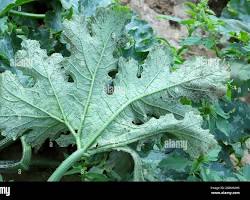
Zucchini Aphids are among the most common and destructive insect pests affecting zucchini and other cucurbit crops. The term generally refers to infestations of the Melon Aphid (Aphis gossypii) and the Green Peach Aphid (Myzus persicae), two highly adaptable sap-feeding insects capable of rapidly colonizing vegetable gardens, commercial farms, and greenhouse operations.
While direct feeding damage can weaken plants and reduce yields, the greatest threat posed by zucchini aphids is their ability to transmit serious plant viruses. Diseases such as Cucumber Mosaic Virus (CMV), Watermelon Mosaic Virus (WMV), and other viral pathogens can spread quickly through cucurbit crops, resulting in distorted foliage, reduced fruit quality, poor yields, and significant economic losses.
Because aphids reproduce extremely quickly and often remain hidden within curled leaves and growing tips, infestations can become severe before they are detected. Effective management requires early monitoring, biological control, exclusion methods, and integrated pest management practices.
Taxonomy and Classification
Zucchini Aphids belong to the true bug order and are members of one of the most economically important insect families affecting agriculture.
- Kingdom: Animalia
- Phylum: Arthropoda
- Class: Insecta
- Order: Hemiptera
- Family: Aphididae
- Common Species: Aphis gossypii, Myzus persicae
Aphids are known for their rapid reproductive abilities and complex life cycles. During favorable conditions, females can reproduce without mating through a process known as parthenogenesis, allowing populations to expand dramatically in a short period.
Identification
Zucchini Aphids are tiny insects that often occur in dense colonies.
Adults
- Length: 1–2 mm.
- Shape: Pear-shaped.
- Color: Green, yellow, black, brown, or dark green.
- Body: Soft-bodied and delicate.
- Cornicles: Two tube-like projections extending from the rear of the abdomen.
Winged and wingless forms may occur within the same colony depending on environmental conditions.
Nymphs
- Smaller versions of adults.
- Similar coloration.
- Cluster near feeding sites.
Key Signs of Infestation
- Clusters of aphids on stems and leaves.
- Curled or distorted foliage.
- Sticky honeydew deposits.
- Black sooty mold growth.
- Stunted plant growth.
- Mosaic virus symptoms.
Heavy infestations are often concentrated on the undersides of leaves and around growing tips.
Distribution and Habitat
Zucchini Aphids are found throughout the world and occur wherever cucurbit crops are grown.
Common habitats include:
- Home gardens
- Commercial farms
- Greenhouses
- Community gardens
- Raised beds
- Agricultural fields
Warm temperatures and abundant host plants support rapid population growth.
Host Plants
Although commonly associated with zucchini, these aphids attack many plants.
Common hosts include:
- Zucchini
- Cucumbers
- Pumpkins
- Watermelons
- Cantaloupes
- Squash
- Peppers
- Tomatoes
- Peaches
- Numerous weeds
Their broad host range contributes significantly to their success as agricultural pests.
Life Cycle
Zucchini Aphids have one of the fastest reproductive cycles among crop pests.
- Birth: Females often give birth to live young without mating.
- Nymph Stage: Nymphs begin feeding immediately.
- Growth: Several molts occur before adulthood.
- Adult Stage: Reproduction begins within days.
Under ideal conditions, a generation may be completed in less than two weeks.
Multiple overlapping generations occur throughout the growing season.
Feeding Behavior
Aphids possess specialized piercing-sucking mouthparts.
They feed by:
- Piercing plant tissue.
- Accessing phloem sap.
- Removing plant nutrients.
- Injecting saliva into plant tissues.
Large colonies can remove substantial amounts of nutrients from developing plants.
Damage and Economic Importance
Zucchini Aphids cause both direct and indirect damage.
Direct Feeding Damage
- Leaf curling.
- Leaf distortion.
- Yellowing foliage.
- Reduced vigor.
- Stunted growth.
Heavy infestations can significantly weaken plants.
Honeydew Production
- Sticky residue on leaves.
- Contamination of fruit.
- Attraction of ants.
- Reduced plant appearance.
Honeydew is a common indicator of aphid activity.
Sooty Mold Development
Honeydew supports the growth of black fungi known as sooty mold.
- Reduces photosynthesis.
- Creates unsightly foliage.
- Further stresses plants.
Virus Transmission
The greatest threat posed by zucchini aphids is their ability to transmit plant viruses.
Important viruses include:
- Cucumber Mosaic Virus (CMV)
- Watermelon Mosaic Virus (WMV)
- Zucchini Yellow Mosaic Virus (ZYMV)
- Papaya Ringspot Virus
Virus Symptoms
- Mottled leaves.
- Yellow mosaic patterns.
- Distorted fruit.
- Reduced yields.
- Poor fruit quality.
- Plant decline.
Virus transmission may occur within seconds of aphids probing a plant.
Behavior and Conflict
Several characteristics make zucchini aphids particularly difficult to manage.
- Rapid Reproduction: Populations increase quickly.
- Hidden Colonies: Aphids shelter within curled foliage.
- Virus Vectoring: Disease transmission occurs rapidly.
- Winged Forms: Adults spread easily between plants.
- Broad Host Range: Many alternate hosts support survival.
These traits allow infestations to spread rapidly across gardens and fields.
Monitoring and Detection
Regular scouting is essential.
- Inspect growing tips.
- Examine leaf undersides.
- Watch for honeydew.
- Monitor ant activity.
- Look for virus symptoms.
Early detection greatly improves management success.
Management and Prevention
An Integrated Pest Management (IPM) program provides the most effective control.
Biological Control
- Lady beetles.
- Lacewings.
- Hoverfly larvae.
- Parasitic wasps.
- Predatory bugs.
Natural enemies often provide excellent suppression when conserved.
Exclusion
- Use floating row covers.
- Protect young plants.
- Exclude winged aphids.
Row covers are especially effective during early crop growth.
Reflective Mulches
- Repel winged aphids.
- Reduce virus transmission.
- Improve early-season protection.
Cultural Controls
- Remove weeds.
- Eliminate virus reservoirs.
- Maintain plant health.
- Rotate crops.
- Inspect transplants carefully.
Chemical Control
- Insecticidal soaps.
- Horticultural oils.
- Selective aphid insecticides.
Because viruses can be transmitted rapidly, insecticides alone may not prevent disease outbreaks.
Conservation and Research
Research focuses on breeding virus-resistant zucchini varieties, improving biological control programs, developing environmentally friendly aphid management strategies, and enhancing integrated pest management systems for cucurbit production. Scientists continue investigating methods to reduce virus transmission while minimizing pesticide use and preserving beneficial insects.
Although small in size, zucchini aphids rank among the most important pests of cucurbit crops due to their rapid reproduction, feeding damage, and ability to spread devastating plant diseases. Early monitoring and integrated management remain essential for protecting crop health and productivity.